
国际仲裁服务

Search documents
驻奥克兰总领馆经商处参访新西兰替代性争议解决中心
Shang Wu Bu Wang Zhan· 2025-11-05 16:47
Core Insights - The visit of Chinese consuls to the ADR Centre in New Zealand highlights the growing importance of alternative dispute resolution mechanisms in international trade between China and New Zealand [1][3]. Group 1: Arbitration Characteristics - Arbitration is characterized by autonomy of will, high confidentiality, professional efficiency, finality of decisions, and cross-border enforceability, making it a widely accepted method for dispute resolution internationally [3]. Group 2: Bilateral Trade Relations - The deepening economic and trade cooperation between China and New Zealand has led to a mutual demand for diversified dispute resolution services among business entities [5]. - The revision of China's Arbitration Law aims to cultivate world-class arbitration institutions and enhance the legal framework for international commercial mediation, arbitration, and litigation during the 14th Five-Year Plan period [5].


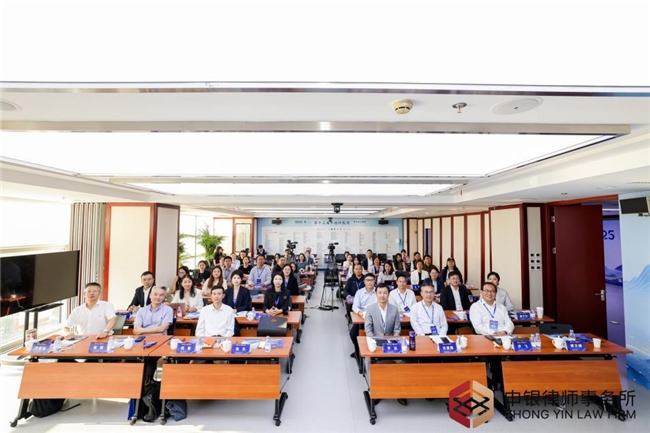
中银律所“数字经济时代国际仲裁的创新与发展”研讨会在京成功举办
Cai Fu Zai Xian· 2025-09-29 04:54
Core Viewpoint - The seminar on innovation and development of international arbitration in the digital economy era aims to address new trends, challenges, and opportunities in the field of international arbitration, fostering dialogue among experts and practitioners to support the innovation of arbitration systems and industry development [2]. Group 1: Seminar Overview - The seminar was successfully held by the China International Economic and Trade Arbitration Commission, focusing on the impact of digital technologies on global economic legal systems and the challenges posed to traditional arbitration rules [5]. - The event serves as a platform for deep communication and practical cooperation among arbitration experts, scholars, and business representatives [2][5]. Group 2: Key Discussions - The importance of collaboration between academia and practice in exploring new arbitration issues in the digital economy was emphasized, highlighting the lag of legal regulations in areas like digital currency compared to judicial practices [7]. - The revised Arbitration Law provides institutional support for innovation in international arbitration, addressing internal governance, temporary measures, and the establishment of branches by foreign arbitration institutions in China [9]. Group 3: Challenges and Opportunities - The application of AI in arbitration presents both opportunities and challenges, including the potential loss of trust in legal professionals and the need for urgent regulation of AI in the arbitration field [16][20]. - The discussion highlighted the necessity of balancing technological innovation with procedural justice, ensuring that parties have rights regarding the use of AI in arbitration processes [16]. Group 4: Practical Issues in Arbitration - The challenges of electronic delivery rules in international commercial arbitration were analyzed, emphasizing the need for clear responsibilities and optimized procedures to enhance trust in arbitration processes [18]. - The seminar addressed the low application rate of emergency arbitration procedures in China and the difficulties in enforcing them abroad, suggesting improvements in legal applicability rules [22]. Group 5: Future Directions - The need for enhancing the international recognition of Chinese arbitration rules was discussed, with suggestions for improving online arbitration regulations and addressing issues related to confidentiality and algorithm transparency [32][33]. - The cultivation of young international arbitration talents was emphasized, with recommendations for providing practical opportunities and encouraging participation in international exchanges [32][35].
张国钧:香港是全球第二受欢迎的仲裁地,商业法规排名全球第一
Feng Huang Wang Cai Jing· 2025-09-24 07:21
Core Insights - The "Phoenix Bay Area Financial Forum 2025" was held in Guangzhou, focusing on the theme "New Pattern, New Path" to explore development opportunities amidst global changes [1] Group 1: Legal and Regulatory Framework - Hong Kong is positioned as the international legal and dispute resolution service center in the Asia-Pacific region, being the only common law jurisdiction in China [3] - The stability of Hong Kong's legal system is highlighted, with over 180 years of operation under common law, reinforced by the Basic Law [3] - Hong Kong's legal framework is recognized for its convenience, aligning with international practices, and ranked first globally in business regulations according to the Swiss International Institute for Management Development's 2025 World Competitiveness Report [4] Group 2: Safety and Trustworthiness - The Basic Law ensures the free flow of capital and funds in Hong Kong, with strict regulatory oversight for investment and business activities [4] - Hong Kong has established a regulatory framework to promote healthy development of emerging businesses, including the recent introduction of a licensing system for stablecoins [4] - The independence of Hong Kong's judiciary under the Basic Law is emphasized, with Hong Kong being the second most popular arbitration venue globally according to the 2025 International Arbitration Survey by Queen Mary University of London [4] Group 3: Legal Cooperation with Mainland China - There is a close connection between Hong Kong's common law system and the legal system of Mainland China, facilitated by various legal cooperation and judicial assistance arrangements [4] - To date, Hong Kong has signed nine judicial assistance agreements with Mainland China covering a wide range of civil and commercial matters [4]
