土豆奶昔

Search documents
土豆粉“隐形冠军”:关店600家后,年营收却翻了数倍
虎嗅APP· 2026-02-15 02:32
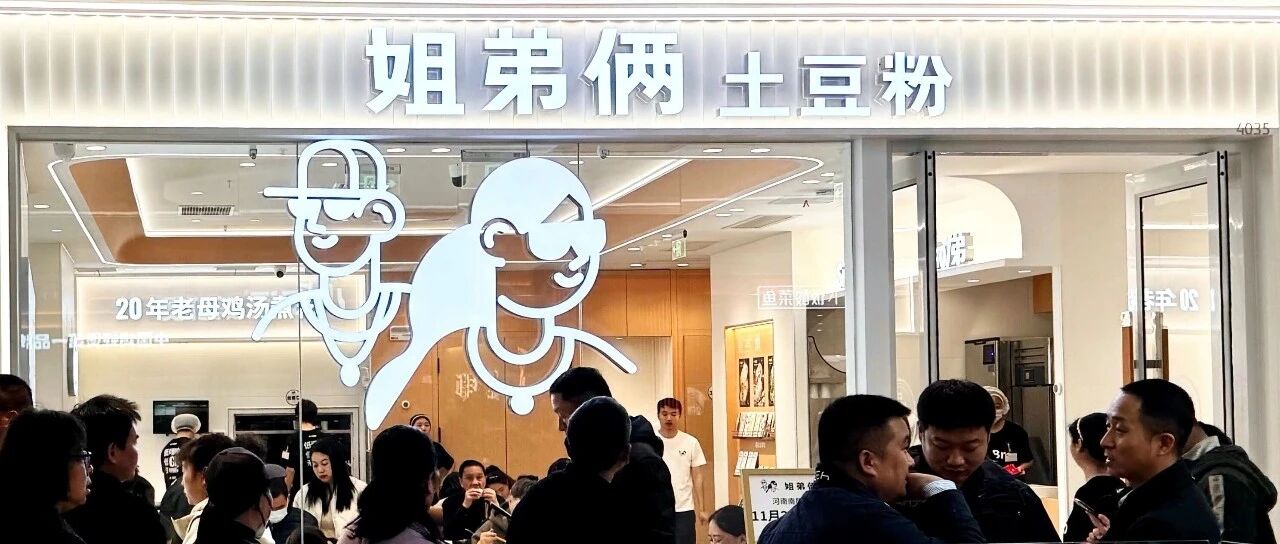
Core Viewpoint - The article discusses the paradoxical state of the Chinese restaurant market in 2026, highlighting the rapid turnover of trendy brands and the struggles of traditional chains, using the case of "Siblings Potato Noodles" as a representative example of the industry's evolution from chaotic growth to rational development [4][5]. Group 1: Company Background - "Siblings Potato Noodles" started in 2001 from a small 4-square-meter shop in Zhengzhou and expanded to over 1,100 stores by 2008, before undergoing significant contraction [5][10]. - The founder, Song Baomin, has navigated the rapid changes in the restaurant industry over the past 25 years, adapting to shifts in consumer preferences and market dynamics [4][6]. Group 2: Business Strategy and Challenges - The company faced challenges such as a drastic reduction in store numbers from over 1,100 to around 500, halting franchise operations, and significant losses from failed product development [5][6][13]. - Despite initial setbacks, the company's focus on quality and a unique product offering allowed it to carve out a niche in the market, avoiding common pitfalls associated with rapid expansion [5][12]. Group 3: Current Developments and Future Plans - As of 2023, "Siblings Potato Noodles" has stabilized with annual revenues exceeding 100 million, and is now pursuing a "self-revolution" by restarting franchise operations and planning to expand its product line into a "Potato Restaurant" concept [6][13][22]. - The company aims to innovate by integrating Western cuisine into its offerings, with plans to develop new products like potato pizza and milkshakes, while also addressing the challenges of brand identity and market education [22][24]. Group 4: Organizational Changes - Song Baomin emphasizes the importance of professional management and has implemented transparent management practices to enhance organizational efficiency [15][16]. - The company is focusing on building a robust supply chain and digital infrastructure to support its growth and operational needs [15][16]. Group 5: Market Position and Competitive Landscape - The restaurant's decision to limit its delivery services to maintain product quality reflects a commitment to brand integrity, with current delivery sales accounting for less than 20% of total revenue [20][22]. - The upcoming re-launch of the franchise model will involve stricter criteria for franchisees, aiming to balance quality control with expansion efforts [25][26].