
坛子肉

Search documents
年味是这样“刨”出来的
Xin Lang Cai Jing· 2026-01-18 18:28
Core Viewpoint - The article discusses the cultural significance and traditional practices surrounding the slaughter of pigs in rural China, particularly during the Lunar New Year, highlighting the communal aspects and the preparation of "刨猪汤" (Braised Pig Soup) as a festive dish [5][12]. Group 1: Cultural Practices - The slaughter of pigs is a significant event in rural areas, often involving community participation, with families gathering to assist in the process [5][6]. - The process of slaughtering pigs is seen as auspicious, with the belief that a swift and efficient kill brings good fortune for the coming year [7][9]. - Traditional dishes served during the "刨猪汤" meal include various pork preparations, emphasizing communal sharing and the festive atmosphere [9][10]. Group 2: Preparation and Techniques - The slaughtering process involves multiple steps, including restraining the pig, bleeding it, and then scalding and scraping off the hair, which requires skill and teamwork [6][7]. - The entire process of slaughtering and preparing the pig for the meal typically takes about two and a half hours [8]. - After the slaughter, the meat is often preserved in various ways, such as drying, smoking, or making sausages, showcasing regional culinary traditions [10][11]. Group 3: Economic Aspects - The cost of hiring a professional pig slaughterer in the Sichuan-Chongqing region is generally around 100 to 200 yuan per pig [9]. - The communal nature of the event often leads to shared costs and resources among families and friends, reinforcing social bonds [12].

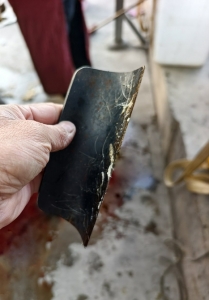
坛子肉:藏在时光里的烟火味
Xin Lang Cai Jing· 2025-12-24 17:47
Core Idea - The article reflects on the nostalgic memories associated with the traditional preparation of "坛子肉" (Tanzi meat), highlighting its significance in the author's culture and family traditions. Group 1: Cultural Significance - "坛子肉" is a traditional dish that represents the essence of family and cultural heritage, particularly during the winter season in the author's hometown [2][5] - The preparation of "坛子肉" is a communal activity that brings families and communities together, showcasing the importance of shared experiences in cultural practices [2][4] Group 2: Preparation Process - The process of making "坛子肉" involves carefully rendering pig fat and cooking pork until it reaches a golden color, which is then preserved in a clay jar with the rendered fat [3][4] - The method of preservation using pig fat not only keeps the meat fresh but also enhances its flavor, demonstrating traditional techniques passed down through generations [3][5] Group 3: Emotional Connection - The memories associated with "坛子肉" evoke feelings of warmth and comfort, symbolizing resilience and the ability to find joy in simple pleasures despite hardships [5][6] - The dish serves as a reminder of childhood and familial bonds, encapsulating the essence of home and the passage of time [5][6]