
刨猪汤

Search documents
热气腾腾的中国年|村宴里藏着最滚烫的中国年味儿
Xin Lang Cai Jing· 2026-02-16 11:54
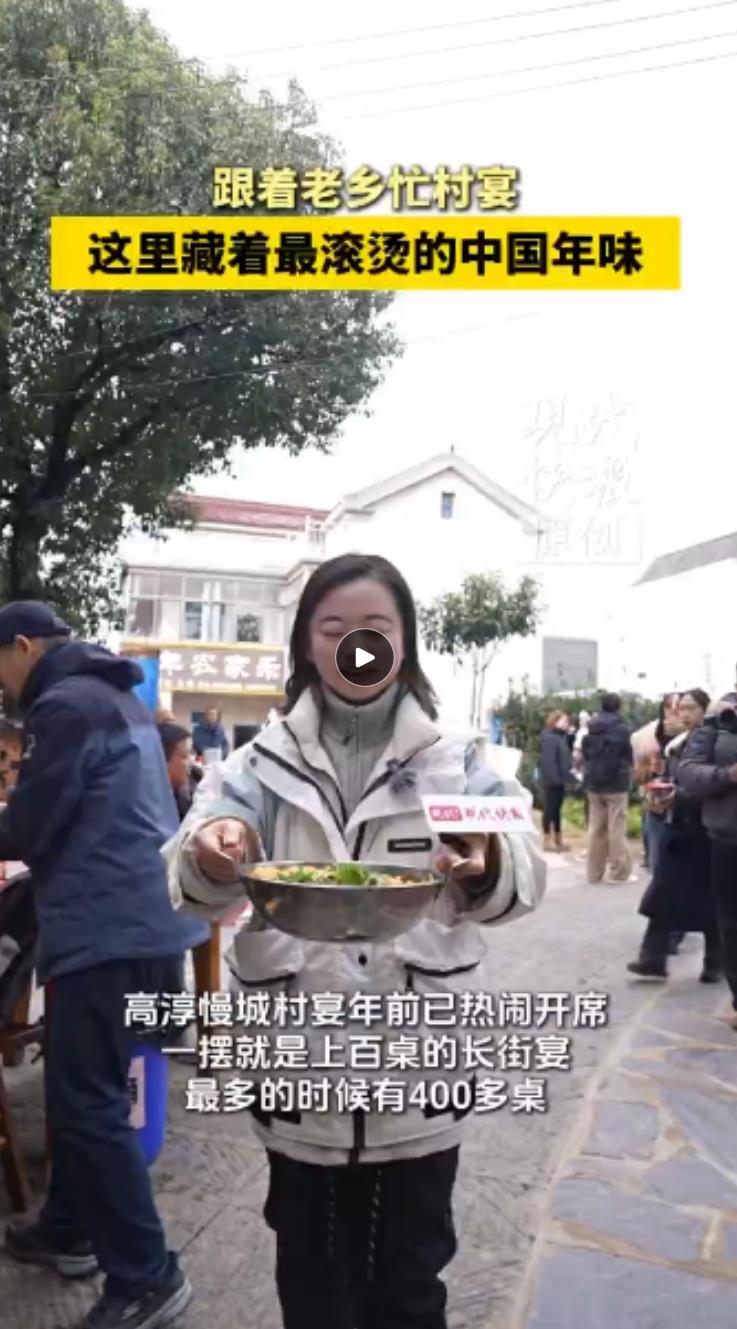
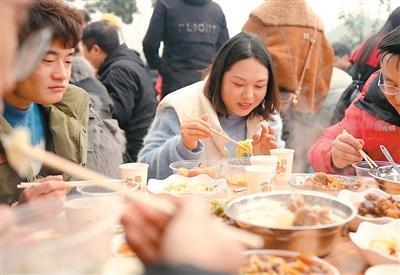
Core Viewpoint - The article highlights the vibrant atmosphere of village banquets in China, particularly focusing on a large-scale event in Nanjing's Gaochun District, which brings together local residents and tourists to celebrate the New Year through communal dining and cultural performances [1][4][8]. Group 1: Event Description - The village banquet featured over 100 long tables, creating a festive environment filled with laughter and traditional music, attracting over a thousand participants [1][4]. - The menu included 11 traditional dishes, prominently featuring local specialties such as "Gaochun Six Small Pots," which includes unique local cooking methods [4][5]. - The event also showcased traditional performances, including the East Dam Horse Lantern dance and dragon and lion dances, enhancing the celebratory atmosphere [5][6]. Group 2: Preparation and Organization - The banquet required extensive preparation, taking two to three weeks and involving hundreds of local villagers, ensuring community engagement and additional income for participants [5][6]. - Food preparation began early on the day of the event, with a focus on quality and safety, including the procurement of fresh ingredients and strict food safety measures [6][7]. - The event was part of a broader initiative to promote local culture and traditions, integrating various forms of folk art and crafts from across the province [7][8]. Group 3: Cultural Significance - The rise of village banquets across China reflects a growing trend in cultural tourism, emphasizing communal dining experiences that strengthen social bonds and cultural identity [8][9]. - These events are reshaping contemporary Chinese perceptions of the New Year and family reunions, fostering a sense of community and shared memory [9][10]. - The article emphasizes that the essence of these gatherings lies not just in the food but in the warmth and connections formed among participants, highlighting the importance of human interaction in cultural celebrations [10][11].

年货大集开市打造“逛买玩赏食”新体验 特色年俗活动点燃文旅消费热潮
Yang Shi Wang· 2026-02-09 09:56
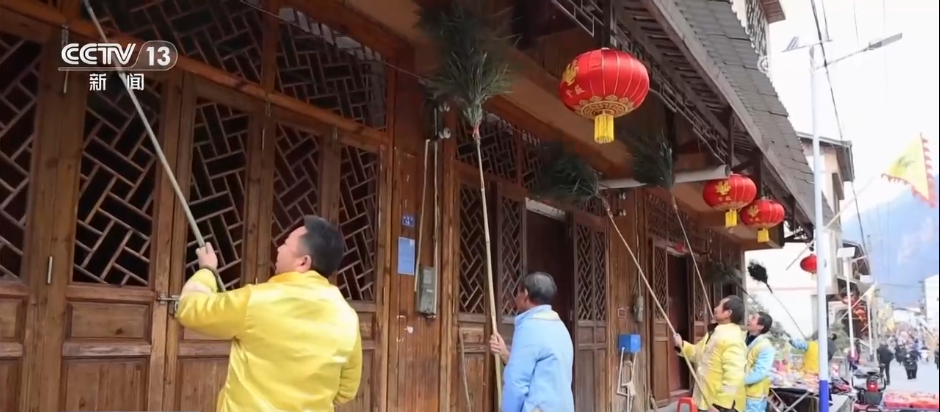
Group 1: Cultural Activities and Tourism - The villagers in Yongyi Village, Guizhou, engage in traditional customs such as dust sweeping, making glutinous rice cakes, and hosting long table banquets as part of their New Year celebrations [1][3] - Yongyi Village has integrated traditional customs with cultural tourism, making activities like bamboo pole dancing and tofu making popular among tourists [3] - The long table banquet features local delicacies and interactive projects to enhance visitor experience, showcasing the community's harvest and fostering a sense of togetherness [5] Group 2: Regional Celebrations and Events - In Jiangsu Jingjiang, a non-heritage food market has become lively, with citizens and tourists enjoying traditional performances and local cuisine, contributing to the festive atmosphere [8][9] - The Jingjiang Spring Festival cultural activities include 66 events that encompass various categories such as folk experiences, cultural exhibitions, and sports events, aimed at enriching holiday life and promoting cultural tourism [9] - In Beijing, community spring festivals are organized to enhance resident participation, featuring performances from various age groups and activities that foster community connections [10][13][15] Group 3: New Year Market Dynamics - In Yinchuan, Ningxia, the New Year market has been launched, offering a comprehensive experience that combines shopping, entertainment, and food [16][17] - The market features not only the sale of New Year goods but also cultural performances and folk activities, with a highlight being a large communal cooking event [19] - The New Year market will run until February 14, with shopping coupons available to encourage spending and enhance the festive experience [21]
“庖猪汤”还是“刨猪汤”?
Xin Lang Cai Jing· 2026-01-31 07:07
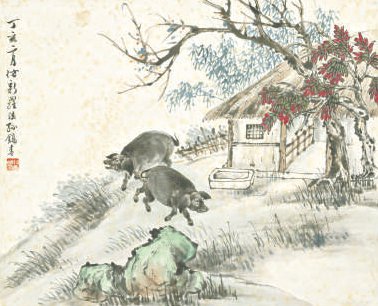
Core Viewpoint - The article discusses the regional variations and linguistic debates surrounding the term "刨猪汤" (Braised Pig Soup) versus "庖猪汤" (Kitchen Pig Soup), highlighting the cultural significance and etymology of these terms in the context of Chinese rural customs related to pig slaughtering during the New Year [2][3][4]. Linguistic Analysis - The term "庖" originally means kitchen and has evolved to refer to cooking and chefs, suggesting a connection to culinary practices [3]. - The term "刨" has two pronunciations in modern Chinese, with one meaning to dig or scrape, and the other relating to tools used for planing, indicating a possible connection to the process of preparing pig meat [4]. - The preference for "刨" over "庖" in certain dialects is supported by its higher usage frequency in regions where "刨猪汤" is common, suggesting that "刨" is more appropriate in this context [4][5]. Cultural Context - "刨猪汤" is a byproduct of the pig slaughtering process, where various parts of the pig are utilized for communal meals, reflecting the cultural practice of sharing food with neighbors and friends [5][6]. - The dish typically includes a variety of pig parts, emphasizing the resourcefulness of rural communities in utilizing every part of the animal [6]. - The article also draws parallels between "刨猪汤" and other regional customs, such as "刨新," which involves sharing food during harvest celebrations, further illustrating the communal aspect of these culinary traditions [7].
二舅家的刨猪汤
Xin Lang Cai Jing· 2026-01-29 18:46
Core Viewpoint - The article highlights the cultural significance of the traditional practice of eating "刨猪汤" (braised pig soup) in rural Chongqing, emphasizing its role in family gatherings and the preservation of local customs during the winter solstice [1][2]. Group 1: Cultural Significance - The act of eating "刨猪汤" is described as a warm and meaningful tradition that brings families together, reflecting deep-rooted customs and the essence of rural life in Chongqing [1]. - The gathering for this meal is portrayed as more than just a feast; it symbolizes familial bonds, shared memories, and the hope for a prosperous future [2]. Group 2: Culinary Experience - The article details the variety of dishes served during the meal, including red-braised pig blood, radish bone soup, and spicy stir-fried pork, showcasing the rich flavors and culinary heritage of the region [2]. - The meal is characterized by its vibrant and aromatic dishes, which not only satisfy the palate but also evoke a sense of nostalgia and connection to one's roots [2].
一碗刨猪汤,何以唤醒年味记忆?
Xin Hua She· 2026-01-26 08:31
Core Insights - The article highlights the emotional resonance and cultural significance of the "刨猪汤" (Pork Soup) tradition, which has evolved into a widespread celebration of traditional customs across various regions in China, particularly during the Spring Festival [1][2][5] Group 1: Cultural Significance - The tradition of "killing the New Year pig" in Chongqing's Hechuan district symbolizes neighborly assistance and communal celebration, reflecting a deep emotional connection to traditional customs [2][3] - The phrase "Come help me with the pig, and I'll treat you to a meal" resonates with many who yearn for the warmth of community and the essence of the New Year [2][5] Group 2: Regional Variations - In Sichuan's Pujiang County, the "Arrow Tower New Year Pig Festival" has become a significant cultural event, attracting 25,000 visitors and generating over 1 million yuan in tourism revenue [3][4] - In Guizhou's Shiqian County, the "Thousand-Person Pork Soup Feast" showcases local customs and has drawn over 1.3 million tourists since mid-October 2025, resulting in a total tourism revenue of 960 million yuan [4] Group 3: Emotional and Economic Impact - The article emphasizes that these traditional activities not only fulfill emotional needs for reunion and sharing but also stimulate local economic development through tourism [4][5] - The integration of traditional customs with modern tourism strategies demonstrates the potential for cultural practices to thrive in contemporary society [4][5]
一碗朴素的刨猪汤,何以打动无数人心?
Xin Lang Cai Jing· 2026-01-24 20:40
Core Insights - The article highlights the rising trend of traditional Chinese cultural events, such as pig slaughter feasts, attracting significant tourist interest and participation, exemplified by a recent event in Chongqing's Hechuan district that drew thousands of visitors [1][2][4] Group 1: Event Impact and Participation - The pig slaughter feast in Chongqing's Qingfu Village became a viral sensation, with a video post garnering 80 million views and leading to over 10,000 live viewers during the event [1][2] - Similar events, like the "thousand-person banquet" in Sichuan, have attracted nearly 300,000 visitors and generated over 300 million yuan in tourism revenue [2] - The local government implemented a "flexible management + precise service" plan to handle the unexpected influx of tourists, ensuring public order and service quality [1][4] Group 2: Cultural and Emotional Connection - The appeal of these events lies in their ability to create emotional connections and provide immersive experiences rooted in local traditions, fulfilling modern desires for authenticity and social interaction [6] - Participants expressed that these gatherings serve as a form of "spiritual homecoming," emphasizing the importance of community and shared experiences [2][6] Group 3: Economic and Tourism Development - From January 11 to 16, the pig slaughter event led to the establishment of 27 experience points, receiving over 8,000 visitors daily and promoting local products, thus converting online traffic into tourism consumption [5] - The local tourism authority actively promoted the event by distributing free tickets to attractions and creating promotional materials, effectively leveraging the event to boost local tourism [4][5] Group 4: Challenges and Future Considerations - While many regions are eager to replicate the success of the Chongqing event, some have faced challenges such as overcrowding, food safety concerns, and inadequate emergency response capabilities, leading to cancellations [6] - Experts warn against blindly imitating successful events without understanding local cultural contexts, emphasizing the need for unique, sustainable, and engaging local activities to maintain visitor interest [6]
城市文旅为何要撩动乡愁
He Nan Ri Bao· 2026-01-23 06:31
Core Viewpoint - The event of inviting people to participate in the traditional pig soup preparation has transformed from a local plea into a nationwide emotional celebration, highlighting the deep-rooted nostalgia and community spirit among participants [1][3]. Group 1: Community Engagement - Over 2,000 people attended the pig soup event, with more than 100,000 online viewers, showcasing a strong community response [1]. - Participants brought their own tools and collaborated without hesitation, reflecting a genuine willingness to help and connect with strangers [1]. - The event illustrates how traditional customs can evoke emotional resonance across different regions, emphasizing the importance of interpersonal relationships in contemporary society [1]. Group 2: Cultural and Tourism Impact - Local authorities effectively leveraged the event's popularity by promoting local tourism resources and maintaining traffic order, which contributed to a cultural and tourism synergy [2]. - The integration of local specialties from surrounding areas into the event created a broader cultural experience, enhancing the overall impact of the celebration [2]. - The event serves as a reminder that the essence of nostalgia and festive spirit is often found in local interactions and traditions rather than distant attractions [2]. Group 3: Emotional and Cultural Significance - The pig soup gathering represents a dual pursuit of emotional needs and urban warmth, emphasizing the importance of genuine emotional connections and cultural heritage [3]. - The success of the event is attributed to respecting real emotions, maintaining cultural roots, and responding to community needs, which fosters a warm and touching atmosphere during festive occasions [3].
重庆市合川区“刨猪汤”走红——为年味奔赴一座城
Xin Lang Cai Jing· 2026-01-21 02:04
Core Viewpoint - The "Chongqing Pork Festival" in Qinfeng Village has gained significant online attention, attracting thousands of visitors to participate in traditional celebrations and enjoy local cuisine, highlighting the potential for cultural tourism growth in the region [3][4][5]. Group 1: Event Overview - The festival began on January 9, initiated by a local girl who posted a video seeking help for a traditional pig slaughter, which led to a surge of visitors to the village [3]. - The event featured free meals, where attendees could enjoy a variety of dishes made from freshly slaughtered pigs, creating a festive atmosphere reminiscent of childhood celebrations [4]. Group 2: Local Economic Impact - Nearby villages, such as Liangtang Village, also benefited from the influx of visitors, leading to a significant increase in bookings at local restaurants and accommodations [4]. - The local government has implemented measures to ensure food safety and manage the increased visitor flow, including health inspections and traffic management [5][6]. Group 3: Future Plans - The local authorities plan to develop the "Pork Festival" into a cultural tourism brand, with initiatives such as cooking competitions and promotional packages to attract more visitors [6]. - New tourism routes will be introduced, linking the festival with other local attractions, enhancing the overall visitor experience and encouraging longer stays [6].
中经评论:“按猪宴”藏着乡村振兴密码
Jing Ji Ri Bao· 2026-01-20 00:02
Group 1 - The core idea of the articles revolves around the resurgence of rural cultural activities, particularly the popularity of events like "killing pigs" and "pork soup," which have gained significant attention online and reflect a longing for cultural memories and rural connections [1][2][3] - The rise of short video platforms and live streaming has provided unprecedented attention and monetization opportunities for rural areas, showcasing local customs and fostering emotional consumption among urban dwellers [2][3] - The unexpected popularity of the "killing pig banquet" serves as a reminder of the importance of cultural and emotional ties in rural revitalization, emphasizing the need for a blend of cultural tourism and agricultural development [3][4] Group 2 - Rural areas are increasingly recognized for their cultural, emotional, and social values, beyond just agricultural production, highlighting the unique appeal of rural life [2][3] - The integration of cultural resources and local customs into rural tourism is essential to avoid homogenization and enhance the attractiveness of rural experiences [3] - The ongoing rural revitalization efforts must focus on showcasing the economic, ecological, social, and cultural values of rural areas to ensure sustainable development [3][4]
“按猪宴”藏着乡村振兴密码
Jing Ji Ri Bao· 2026-01-19 22:18
Core Insights - The unexpected popularity of the "Pig Feast" not only provides insights for rural cultural tourism development but also prompts reflections on comprehensive rural revitalization [1][4] - The integration of beautiful rural construction, cultural tourism, and the development of characteristic industries can transform culture from an emotional bond into an industrial driving force, injecting fresh vitality into rural revitalization [1][4] Group 1: Cultural and Emotional Connection - Many people are shifting their travel preferences from traditional scenic spots to rural areas in search of emotional value, focusing on collective feelings related to home, harvest, and reunion [2] - The rise of various "village" cultural and sports activities across the country reflects the deep emotional connections and memories associated with rural life, making rural culture a unique value proposition [2][3] Group 2: Economic and Tourism Development - The use of mobile internet, especially short videos and live streaming, has provided unprecedented attention and monetization opportunities for rural areas, leading to a surge in hotel bookings and local product sales [3] - The local tourism departments are planning to create an annual "Cloud Pig Festival" as a unique cultural IP, indicating a strategic move to capitalize on the popularity of rural cultural events [3] Group 3: Challenges and Opportunities - The influx of visitors poses challenges to rural industries and governance capabilities, necessitating improvements in infrastructure, public services, and product supply to meet rising expectations [3] - The integration of agriculture, culture, and tourism is essential to avoid homogenization in rural tourism, emphasizing the need to leverage local cultural resources and folk customs [3][4]