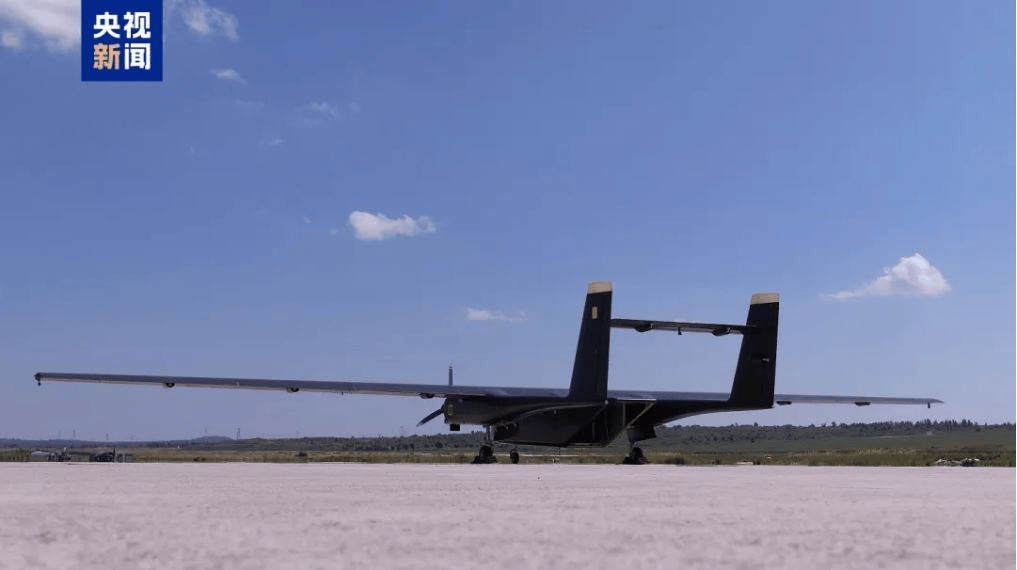
壹通TP系列无人机

Search documents
“空中货拉拉”首飞背后:无人运输机争食1.5万亿元低空经济“蛋糕”
Sou Hu Cai Jing· 2026-01-11 11:09
Core Viewpoint - The successful first flight of the "Tianma-1000" unmanned transport aircraft marks a significant advancement in China's drone industry, particularly in the low-altitude economy, which is expected to grow rapidly in the coming years [1][3][10]. Group 1: Development of Unmanned Transport Aircraft - The "Tianma-1000" is China's first unmanned transport aircraft capable of adapting to high-altitude complex terrains, with a maximum payload of 1 ton and a range of 1800 kilometers [3][4]. - The aircraft is designed for multiple functions, including logistics transport, emergency rescue, and material delivery, addressing challenges in remote area supply and significantly reducing logistics costs [3][4]. - The "W5000," developed by White Whale Airlines and Beihang University, is the world's largest unmanned cargo aircraft, with a maximum takeoff weight of 10.8 tons and a payload capacity of 5 tons, showcasing the advancements in the sector [4][6]. Group 2: Market Potential and Economic Impact - The low-altitude economy in China has reached a scale of 505.95 billion yuan in 2023, with a year-on-year growth of 33.8%, indicating a strong growth trajectory [11][14]. - Predictions suggest that the low-altitude economy will maintain a compound annual growth rate of over 25%, potentially reaching 1.5 trillion yuan by 2025 and 3.5 trillion yuan by 2035 [11][14]. - The government has established a supportive policy framework for the development of the low-altitude economy, with significant initiatives included in the national planning documents [14][16]. Group 3: Industry Trends and Future Outlook - The industry is witnessing a surge in the number of unmanned transport aircraft, with various models like the "TP series" and "Double-tailed Scorpion D" emerging since 2022 [9][13]. - There is a growing demand for unmanned transport solutions in remote areas, where traditional logistics methods are inefficient and costly [13]. - The regulatory environment is becoming more cautious, with a focus on safety as the industry matures, which may impact the pace of new aircraft certifications [11][13].