多式联运物流服务

Search documents
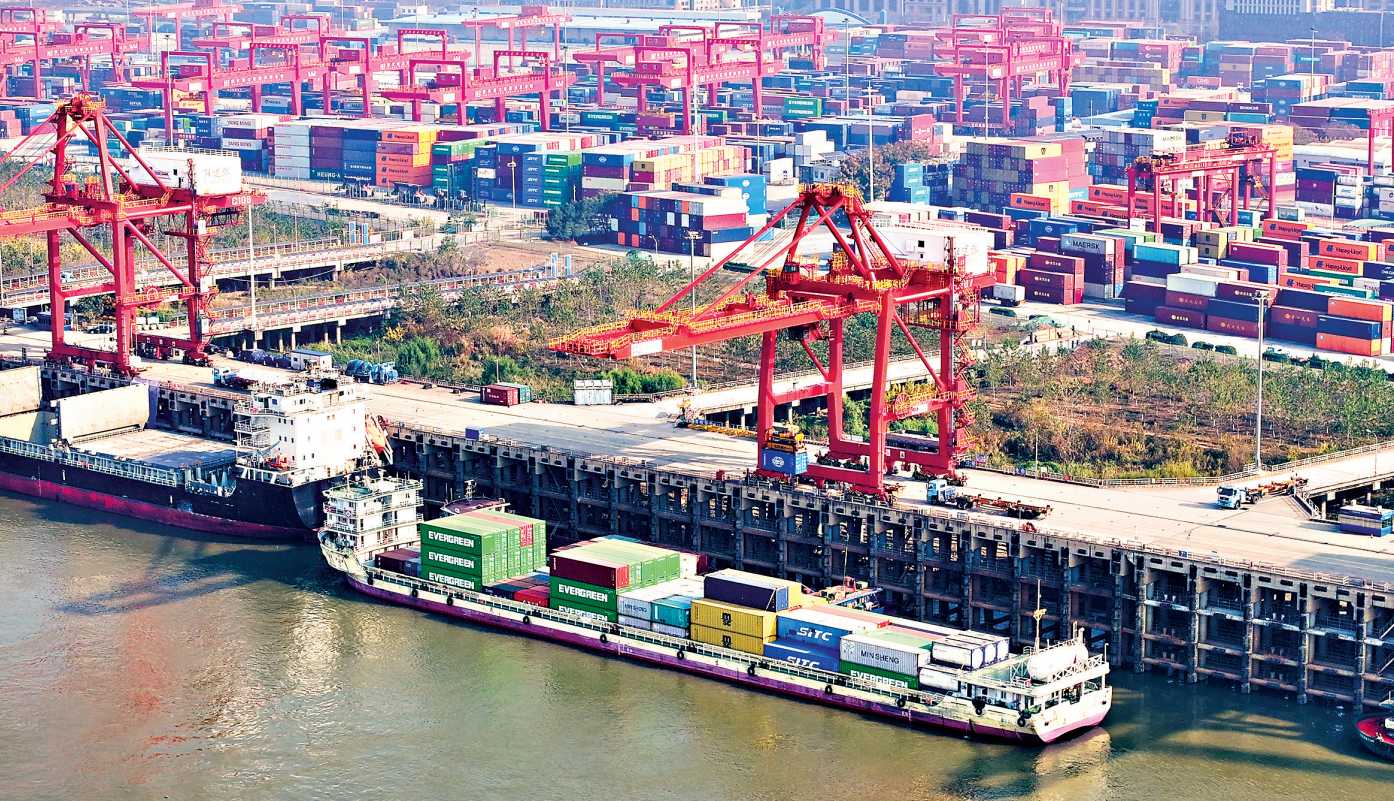
江苏首票多式联运出口货物太仓启运
Su Zhou Ri Bao· 2026-01-28 01:57
Core Insights - The article highlights the successful implementation of a multimodal transport model in Jiangsu, marking the first export using this method, which enhances logistics efficiency and reduces costs for businesses [1][2] Group 1: Multimodal Transport Implementation - A vessel carrying hydraulic cylinder goods utilized the "water-water transshipment" model to export from Suzhou Port to Spain, representing Jiangsu's first use of this multimodal transport method [1] - The new model allows companies to complete customs procedures at the point of departure without needing multiple declarations at various transport nodes, streamlining the process [1] Group 2: Benefits of the New Model - Compared to traditional segmented transport, the multimodal model reduces overall customs clearance time by 30% and lowers logistics costs by 15% to 20% [1] - The time goods spend at ports and transshipment nodes is reduced by over 40%, enhancing operational efficiency [1] Group 3: Support and Guidance for Businesses - The customs authority is actively supporting the rollout of the multimodal transport model by providing guidance to businesses through both online and offline channels [2] - An information system is in place to track logistics data in real-time, ensuring a seamless regulatory process [2]
长江中游城市群多式联运企业在汉结盟
Chang Jiang Ri Bao· 2025-12-10 00:34
Core Viewpoint - The news highlights the development of the Yangtze River Midstream Shipping Center, emphasizing the collaborative efforts among cities in the region to enhance logistics and transportation efficiency, thereby promoting economic integration and growth [2][3][9]. Group 1: Shipping and Logistics Developments - The Changyuanji 168 ship, loaded with various goods, successfully completed its journey from Yangluo Port to Jiujiang Port, showcasing the operational capabilities of the shipping routes in the region [1]. - A total of 42 intermodal transport routes have been established, enhancing the shipping competitiveness of the Yangtze River Midstream region and facilitating seamless connections between upstream and coastal areas [5][6]. - The "Yueyang Port - Yangluo Port - Jiujiang Port" container shipping route has become a brand line, operating 8-10 trips weekly with a total journey of 460 kilometers, promoting industrial collaboration and resource sharing among the three provinces [5][9]. Group 2: Regional Cooperation and Alliances - The establishment of the Yangtze River Midstream City Group Multimodal Transport Enterprise Alliance marks a shift from independent operations to collaborative efforts, aiming for integrated logistics solutions [9]. - The alliance will focus on coordinating shipping routes, sharing capacity, and optimizing logistics services across various industries, including automotive, chemicals, and food [9]. - Plans include enhancing connectivity between ports, exploring "combined port" models, and improving data sharing for logistics, which will facilitate a more integrated regional economy [9]. Group 3: Infrastructure and Investment Initiatives - The second Yangtze River Midstream City Group Yangluo International Port High-Quality Development Investment Promotion Conference was held to foster regional development and cooperation [2][10]. - The construction of the Electric Plant North Road project aims to improve intermodal transport efficiency by connecting rail and road transport at Yangluo Port [6]. - The ongoing development of the Yangtze River Midstream Shipping Center is supported by significant investments in infrastructure and logistics capabilities, positioning Wuhan as a key player in the region [6][9].