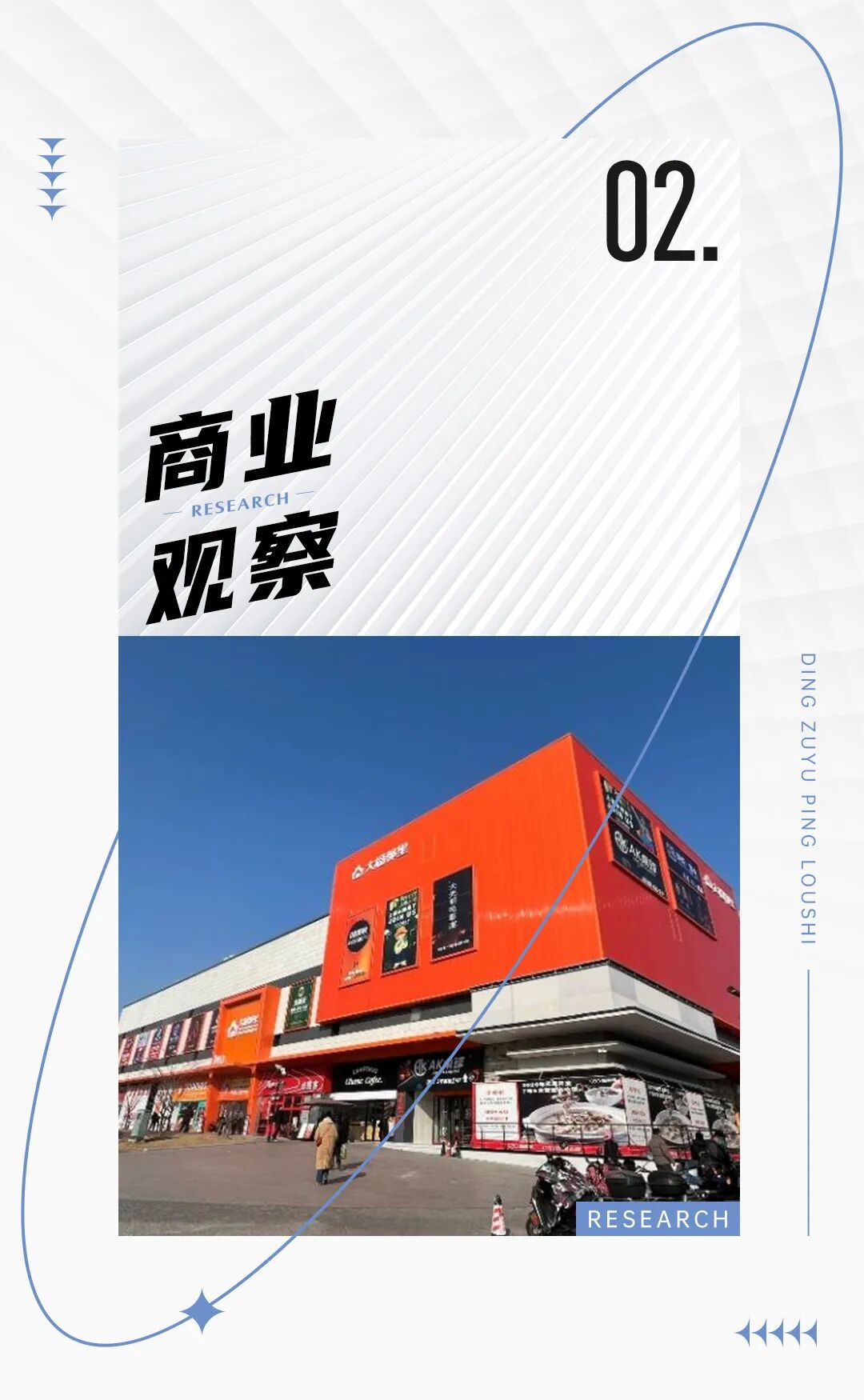
大橘邻里

Search documents
典型观察:反常态的社区商业是未来模板吗
Xin Lang Cai Jing· 2026-02-07 23:54
Core Insights - The "Da Ju Neighborhood" project in Shanghai's Minhang district demonstrates a successful transformation of an old marketplace, achieving impressive metrics such as a daily foot traffic of 8,000-9,000 and weekend traffic of 10,000-20,000, with a sales efficiency exceeding 1,500 RMB per square meter per month, significantly above the community average of 750 RMB per square meter per month [3][4][6] Group 1: Project Overview - The project is set to fully open by the end of February, with a current occupancy rate of 75% and a leasing rate of 99% [3] - The first month of operations yielded nearly 28 million RMB in revenue, indicating strong market acceptance [3] Group 2: Strategic Innovations - The project challenges traditional retail models by creating a central atrium space of approximately 200 square meters, which serves as a community hub rather than a revenue-generating area, thus attracting repeat visits from residents [4][6] - It features a large 3,500 square meter supermarket as an anchor to drive foot traffic, while also innovatively placing dining options in high-traffic areas to cater to local demand [6][9] Group 3: Tenant Strategy - The project adopts a unique tenant strategy by not requiring high rents or established chain brands, instead focusing on local businesses willing to invest in community engagement [7] - This approach fosters a sense of ownership and collaboration between the project and its tenants, enhancing the overall community experience [7] Group 4: Market Conditions - The success of the project is attributed to favorable property conditions, including low initial rental costs and a well-structured space that allows for creative modifications [11][14] - The location benefits from a stable customer base due to its proximity to residential communities and business parks, ensuring consistent demand [14] Group 5: Competitive Landscape - The project operates in a market with limited competition, allowing it to establish a unique identity while differentiating itself from nearby commercial centers [16] - By introducing unique brands and experiences, the project creates a strategic niche that attracts diverse customer segments [16] Group 6: Financial Model - The financial model of the project is designed to be cost-effective, with a streamlined management team that reduces operational costs and shortens the investment return period [24] - This model emphasizes the importance of maintaining manageable costs while delivering community-focused services [24] Group 7: Replicability Concerns - The project highlights the challenges of replicating its success in new developments due to high initial costs and the pressure for quick returns, which may hinder similar community-focused initiatives [25] - It suggests that understanding and serving the specific needs of the local community is more critical than merely copying the project's physical attributes [25]