
大泉雨花茶

Search documents
擦亮“雨花品牌” 助推南京茶产业高质量发展
Yang Zi Wan Bao Wang· 2026-01-23 11:37
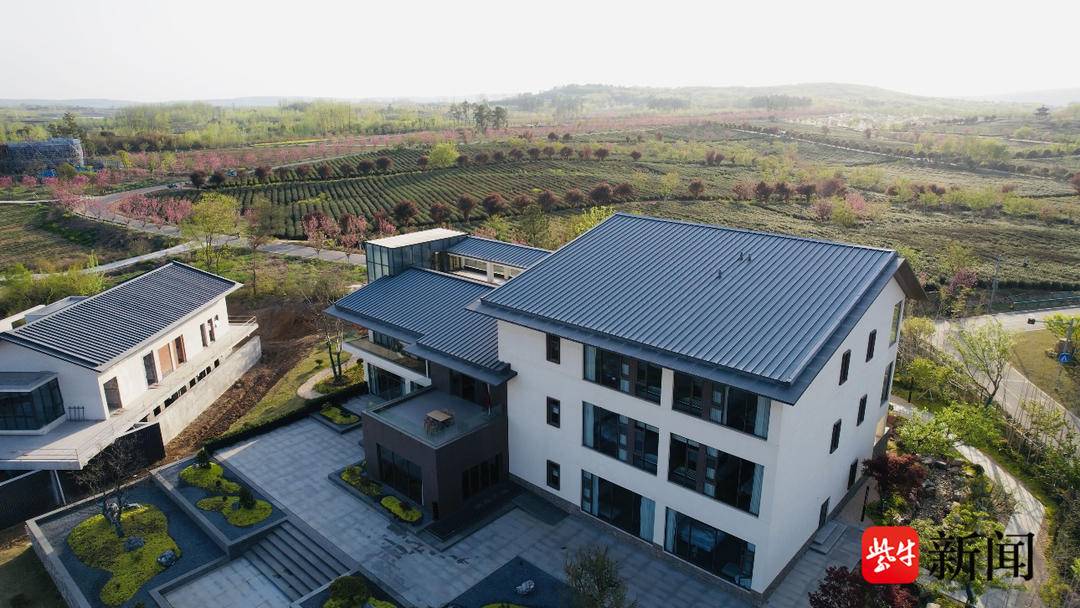
Core Insights - Nanjing Yuhua tea, known for its unique appearance resembling pine needles, is recognized as a premium green tea in China, but the industry faces challenges [1] - During the Nanjing Municipal People's Congress, a representative suggested leveraging resource advantages, enhancing technological support, and deepening industry integration to strengthen the "Yuhua brand" for high-quality development of Nanjing's tea industry [1] Group 1: Industry Development - The "Daqing Yuhua" tea from Zhu Town has achieved a historic five-star rating in the 2025 tea quality evaluation by the China Tea Society, marking the first time Nanjing Yuhua tea has received such recognition [3] - The success is attributed to Zhu Town's favorable ecology, with volcanic mineral-rich soil providing essential nutrients for tea tree growth, and a partnership with the Chinese Academy of Agricultural Sciences to enhance tea quality and industry upgrade [3][5] Group 2: Integration and Innovation - Zhu Town is promoting deep integration of the tea industry with other sectors, planning to develop over 1,500 acres of tea gardens and establish standardized tea processing facilities and tea culture-themed accommodations [5] - The strategy includes creating tea culture tourism attractions and integrating agricultural tourism, such as developing a mountain biking experience in tea gardens, to revitalize the tea industry and support rural revitalization [5] Group 3: Policy Support and Challenges - Despite the achievements of "Daqing Yuhua," challenges remain, including the need for improved execution of special funding for the tea industry, which is one of the eight key agricultural industry chains supported by Nanjing [7] - Recommendations include simplifying funding processes and extending the tea industry chain, as well as enhancing tea-tourism integration to strengthen the tea industry and support rural revitalization [7]

“红色+农旅”融合发展放大强村富民新动能
Xin Hua Ri Bao· 2025-09-19 13:36
Core Viewpoint - The article highlights the integration of red culture and green development in Zhu Town, Nanjing, showcasing how historical resources and ecological initiatives are driving rural revitalization and economic growth [1][2][6]. Group 1: Red Culture Integration - Zhu Town has been recognized as a "National Red Beautiful Village" and has revitalized historical sites like the Anti-Japanese Democratic Government Memorial Hall, enhancing the cultural atmosphere and attracting over 100,000 annual visitors [2]. - The activation of red resources has significantly boosted the local economy, with the "Winter Radiant Vegetable Cooperative" generating over 2 million yuan in sales for 2024, expanding from 5 acres to nearly 200 acres of cultivation [2]. - The cooperative model involving "Party branch + cooperative + base + farmers" has created over 20 job opportunities and increased the average annual income of participating farmers by over 20,000 yuan [2]. Group 2: Green Development Initiatives - In Houqiao Village, the introduction of a 320-acre honeysuckle plantation has become a successful model for increasing farmer income, with 304 households benefiting from the initiative [3]. - The Daqin Rain Flower Tea Garden project has established a thousand-acre tea plantation, contributing significantly to the local economy and tourism, with tea sales becoming a vital source of income for Daqin Village [4]. - The development of themed accommodations around local culture and agriculture is enhancing rural tourism, with the first phase of the Daqin homestay project already operational [4]. Group 3: Synergy of Red and Green - The "Red + Green" tourism strategy combines red cultural assets with green ecological foundations, creating a comprehensive tourism model that has attracted over 4,000 visitors since 2024 [6]. - The establishment of a "one point, one core, one line" tourism framework aims to connect various red sites and promote rural revitalization through high-quality accommodations and agricultural parks [6]. - The integration of red cultural narratives with green industries is transforming ecological advantages into economic growth, with local leaders emphasizing the importance of this synergy for future development [6].