
天眼系统

Search documents
跨越速运董事长坚持全直营模式,为企业赢得市场竞争力
Sou Hu Cai Jing· 2025-09-18 03:15
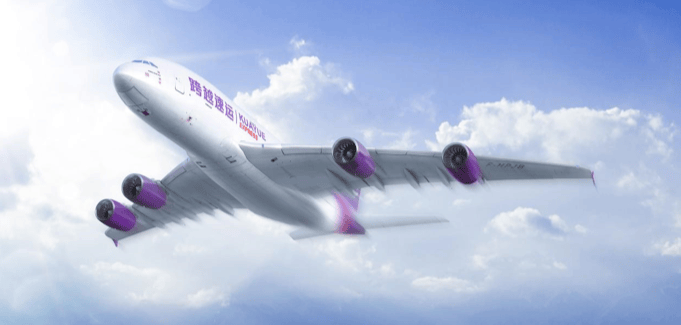
Core Insights - The logistics industry is rapidly evolving, with many companies adopting outsourcing models for core operations like sorting and last-mile delivery, which contrasts with Kuayue Express's direct management approach that emphasizes stability, safety, responsiveness, and personalized service [1][6]. Group 1: Timeliness and Control - Kuayue Express's direct management model ensures superior timeliness due to strong control mechanisms, while the outsourcing model struggles with inconsistent management, leading to unstable delivery times [3][6]. - Kuayue Express operates 21 cargo planes, 60 drones, over 28,000 transport vehicles, and employs more than 80,000 staff, with a network covering over 99% of cities in China, earning the trust of millions of enterprise clients [3][6]. Group 2: Safety and Security - Kuayue Express utilizes over 300,000 AI monitoring devices to ensure the safety of goods, vehicles, and personnel, while the outsourcing model often faces management issues that can lead to safety risks, such as violent sorting practices [5][6]. - The company has invested in technology to create a precise tracking system that allows for real-time monitoring and alerts, significantly enhancing cargo safety [5]. Group 3: Customer Experience and Service - As competition intensifies, customer expectations have shifted towards comprehensive and personalized service experiences, which the outsourcing model typically fails to provide due to its standardized processes [6][7]. - Kuayue Express offers a one-on-one concierge service that delivers tailored solutions, resulting in higher customer satisfaction [6]. - The company has maintained a compound annual growth rate of over 30% for three consecutive years, with revenue surpassing 20 billion in 2023 and projected to reach nearly 30 billion in 2024, solidifying its position among the top three in China's less-than-truckload logistics sector [6].

科技兴警护航高水平安全——人民警察代表与中外记者分享“提升新质战斗力”故事
Ke Ji Ri Bao· 2025-05-27 07:56
Core Insights - The integration of advanced technologies such as big data, drones, and AI has significantly improved emergency response times and traffic management in Shenzhen, exemplified by a case where a heart attack patient was assisted in just 13 minutes over 12 kilometers during peak hours [1][2] - The Shenzhen traffic police have successfully utilized data analytics and preemptive planning to manage traffic flow, particularly during the opening of the Shen-Zhong Channel, ensuring smooth traffic despite high volumes [2] - The police's proactive approach in using technology for crime prevention, such as real-time alerts for scam calls, showcases a shift towards a comprehensive strategy in combating cybercrime and enhancing public safety [4][5] Group 1 - The Shenzhen police's use of big data and technology has led to a 20-year decline in traffic accident fatalities, demonstrating the effectiveness of their strategies [2] - The police have adopted a model of "data as a blade and mechanism as a shield," enhancing their operational capabilities through data-driven decision-making [5] - The emphasis on teamwork and technology in emergency situations highlights the dedication of law enforcement to public safety and rapid response [1][2] Group 2 - The role of young cyber police in combating online crime reflects the evolving nature of law enforcement in the digital age, with a focus on continuous training and readiness [3] - The establishment of specialized centers for combating telecom fraud indicates a strategic shift towards a more integrated approach in tackling various forms of crime [4] - The commitment to high-quality development through enhanced safety measures illustrates the broader impact of technology on public security and community trust [5]