太阳能烹饪装置

Search documents
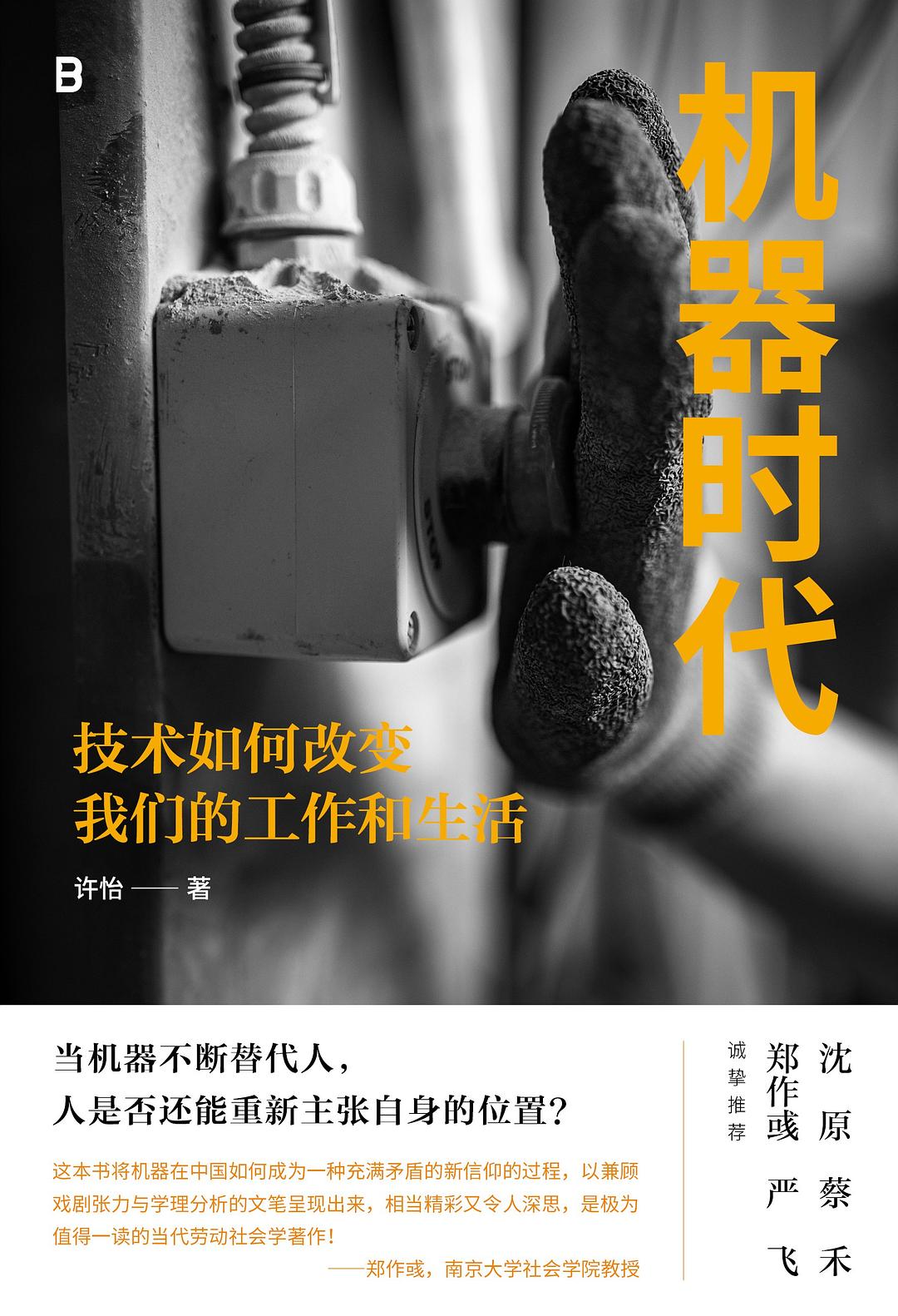
21书评︱以人为本的“机器换人”
2 1 Shi Ji Jing Ji Bao Dao· 2025-12-02 05:01
Core Insights - China has become the world's largest market for industrial robots since 2013, with a significant annual increase in installation volume, leading to a robot density of 392 units per 10,000 people by 2022, indicating a high level of automation in manufacturing [1] - The book by Professor Xu Yi explores the impact of automation on laborers, including the challenges they face and strategies to cope with technological encroachment [1][2] - The development of "appropriate technology" is suggested as a way to create diverse technologies that are tailored to local conditions, promoting labor-intensive solutions rather than capital-intensive ones [5][7] Summary by Sections Automation and Labor Market - The rise of automation, AI, and other technologies poses significant challenges to the labor market, prompting a need for reflection on the motivations behind the relentless pursuit of these technologies by capital [2] - The role of the state is emphasized in balancing the threats posed by technology to society and exploring diverse technological advancements that can enhance productivity while benefiting the public [2] Appropriate Technology - "Appropriate technology" is defined as technology designed to fit local environmental, cultural, and economic conditions, often favoring labor-intensive methods [5] - Examples include solar cooking devices in Africa that utilize locally available materials and a universal nut sheller that significantly increases efficiency for nut farmers, demonstrating the potential of low-cost, environmentally friendly solutions [6] Considerations for China's Technological Development - China, as a populous nation, is advised against fully adopting "unmanned" technologies, as the efficiency advantages of automation may diminish over time [7] - The diversity of China's geography and culture necessitates the development of varied technologies that respect local characteristics and prevent the homogenization of modernization [7] - The importance of incorporating laborers' wisdom and participation in technology development is highlighted, suggesting that their experiences can lead to innovative and sustainable solutions [8]