孚诺®软膏

Search documents
开拓药业(09939) - 自愿公告 - 就KT-939与孚诺医药签订战略合作协议
2026-03-12 12:37
香港交易及結算所有限公司及香港聯合交易所有限公司對本公告之內容概不負責,對其準確 性或完整性亦不發表任何聲明,並明確表示概不就因本公告全部或任何部份內容而產生或因 倚賴該等內容而引致的任何損失承擔任何責任。 開拓藥業有限公司 * KINTOR PHARMACEUTICAL LIMITED ( 於開曼群島註冊成立的有限公司 ) ( 股份代號 : 9939) 自願公告 就 K T- 939 與孚諾醫藥簽訂戰略合作協議 本公告由開拓藥業有限公司*(「本公司」,連同其附屬公司統稱「本集團」)自願 刊發,以知會本公司股東及潛在投資者有關本集團的最新進展。 本公司董事(「董事」)會(「董事會」)欣然宣佈,於二零二六年三月十二日(交 易時段後),本公司全資附屬公司蘇州開拓藥業股份有限公司(「蘇州開拓」)與浙 江孚諾醫藥股份有限公司(「孚諾醫藥」)訂立戰略合作協議(「合作協議」),內 容有關聯合開發含本公司創新原料 KT-939 的美白祛斑功效性化妝品,作為緩解並改 善皮膚色素沉著的輔助手段。 根據合作協議,蘇州開拓將向孚諾醫藥提供 KT-939 原料,並授權其在中國大陸境內 開發、生產和銷售以 KT-939 為核心活性成分 ...
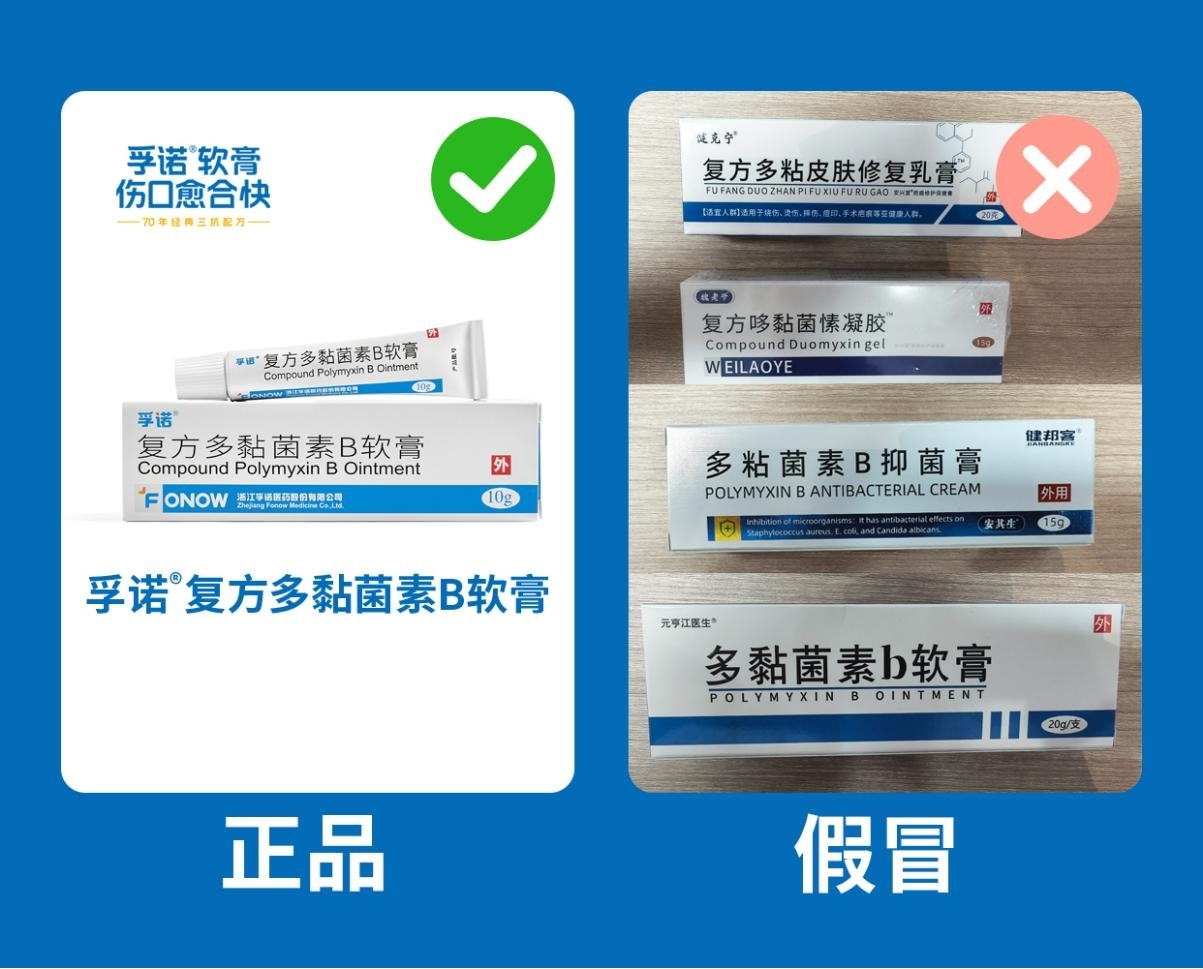
电商购药乱象丛生,真假药品混战,消费者该如何辨认正品?
Cai Fu Zai Xian· 2025-07-22 09:59
Core Viewpoint - The article highlights the rampant issues in online pharmaceutical sales, including counterfeit products, misleading labeling, and fraudulent reviews, which pose significant risks to consumers' safety and trust in e-commerce platforms [1][2][4]. Group 1: Counterfeit and Misleading Products - Numerous counterfeit products flood e-commerce platforms, often mimicking legitimate medications with similar packaging and names, leading to consumer confusion [1][2]. - Common tactics include "word games" where product names are altered to include terms like "repair" or "skin," and using similar color schemes to deceive consumers [2][4]. - Products labeled with "消字号" (disinfection) or "械字号" (medical device) are often misrepresented as effective medications, despite lacking rigorous clinical testing [4]. Group 2: Consumer Confusion and Regulatory Gaps - Consumers are often unfamiliar with the different product classifications, such as "国药准字" (national drug approval), which is the only legitimate identifier for approved medications [4]. - The approval process for non-drug products is less stringent, allowing potentially unsafe items to enter the market without adequate oversight [4]. Group 3: Fraudulent Practices on E-commerce Platforms - E-commerce sellers frequently engage in practices like fake reviews and inflated sales figures to mislead consumers into purchasing counterfeit products [6]. - The lack of a return policy for legitimate medications complicates consumer efforts to identify counterfeit products, as those that allow returns are likely not approved drugs [6]. Group 4: Regulatory Responses and Future Directions - The National Medical Insurance Administration is set to enhance drug traceability regulations starting January 1, 2025, aiming to create a comprehensive tracking system for pharmaceuticals [7]. - Experts emphasize the need for refined regulations to address the challenges posed by online drug sales, urging consumers to recognize legitimate products and utilize official tracking tools [8].