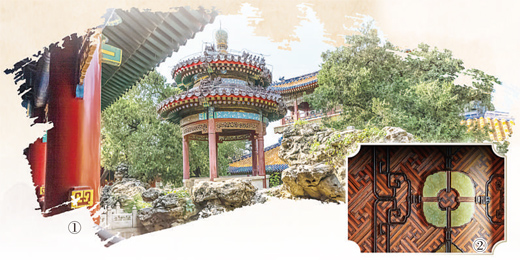
宁寿宫花园

Search documents
唤醒沉睡的华彩
Ren Min Ri Bao· 2025-12-05 22:03
Core Viewpoint - The reopening of the Ning Shou Palace Garden marks a significant milestone in the preservation of cultural heritage, showcasing the intricate craftsmanship and historical significance of Qing Dynasty architecture [2][6]. Summary by Sections Historical Significance - The Ning Shou Palace Garden, built by Emperor Qianlong, is a unique representation of classical garden design, combining elements from both southern and northern Chinese garden styles, and features 27 distinct buildings [2][6]. - The garden has been under restoration for 25 years, initiated by the Palace Museum in collaboration with the World Monuments Fund, highlighting its importance in Chinese and global garden history [2][6]. Restoration Challenges - The restoration process has revealed valuable historical information, emphasizing the authenticity of the garden's mid-Qing architecture and decorative techniques [2][3]. - The inner decoration of the garden is a focal point of restoration, featuring complex techniques such as bamboo silk inlay and lacquered silk, which were creatively adapted from traditional crafts [3][4]. Craftsmanship and Techniques - The restoration team has faced significant challenges due to the delicate nature of materials used, such as the lacquered silk in the Fu Wang Pavilion, which has deteriorated over time [4][5]. - The intricate craftsmanship involved in the restoration includes the use of rare materials and traditional techniques, with experts collaborating to recreate lost methods, such as the production of mulberry paper for restoration [5][6]. Ongoing Efforts - The restoration of the Ning Shou Palace Garden is an ongoing project, with only the first two courtyards currently open to the public, indicating the extensive work still required [6][8]. - The project has involved meticulous documentation and research, including historical surveys and the creation of replicas to preserve the original aesthetic for future generations [6][7]. Community Involvement - A team of over 40 volunteers contributed to the restoration efforts, showcasing community engagement in preserving cultural heritage [7][8]. - The discovery of early samples of decorative patterns during restoration efforts has provided insights into historical construction practices, further enriching the understanding of the garden's design [7][8].