宁心胶囊

Search documents
百亿套现离场!徐福记易主外资,创始人退出,民族品牌该何去何从
商业洞察· 2026-03-22 09:22
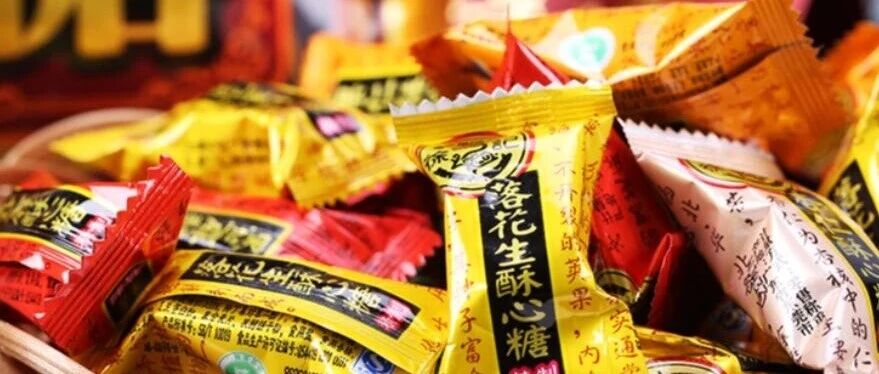
Core Viewpoint - The article discusses the transition of Xu Fu Ji, a well-known Chinese candy brand, from a domestic company to a fully foreign-owned subsidiary after Nestlé acquired the remaining 40% of its shares, raising questions about the future of national brands in China [2][3][13]. Group 1: Xu Fu Ji's Origins and Growth - Xu Fu Ji originated in the 1980s in Taipei, where the Xu brothers started selling candy from a mobile cart, gradually building a reputation for quality and affordability [5][6]. - The company expanded to mainland China in the early 1990s, initially focusing on contract manufacturing before pivoting to the holiday gift and wedding candy market, capitalizing on a lack of packaged options [7][8]. Group 2: Foreign Investment and Management Changes - In the early 2000s, international brands like Dove and Ferrero entered the Chinese market, prompting Xu Fu Ji to seek external investment to enhance its competitiveness [10][11]. - In 2011, Xu Fu Ji sold 60% of its shares to Nestlé for $1.7 billion, allowing the brand to leverage Nestlé's global resources and technology, leading to a gradual exit of the Xu family from management [12][13]. Group 3: Future Prospects and Market Strategy - Nestlé's full acquisition of Xu Fu Ji is driven by economic considerations, as Xu Fu Ji has a vast distribution network of 3,500 distributors and 1.3 million retail outlets, particularly in lower-tier cities [16]. - Nestlé plans to utilize its global supply chain and production technology to diversify and improve Xu Fu Ji's product offerings, aiming to achieve a domestic sales target of 10 billion yuan within three years [16][17]. Group 4: Diverging Paths of National Brands - The article contrasts Xu Fu Ji's strategy with that of other national brands like Bai Xiang, which has chosen to remain independent and has gained respect for its commitment to social responsibility and cultural values [19][20]. - The discussion highlights that both paths—collaboration with foreign entities and maintaining independence—have their merits and challenges, emphasizing the importance of preserving brand identity and quality [24][25].

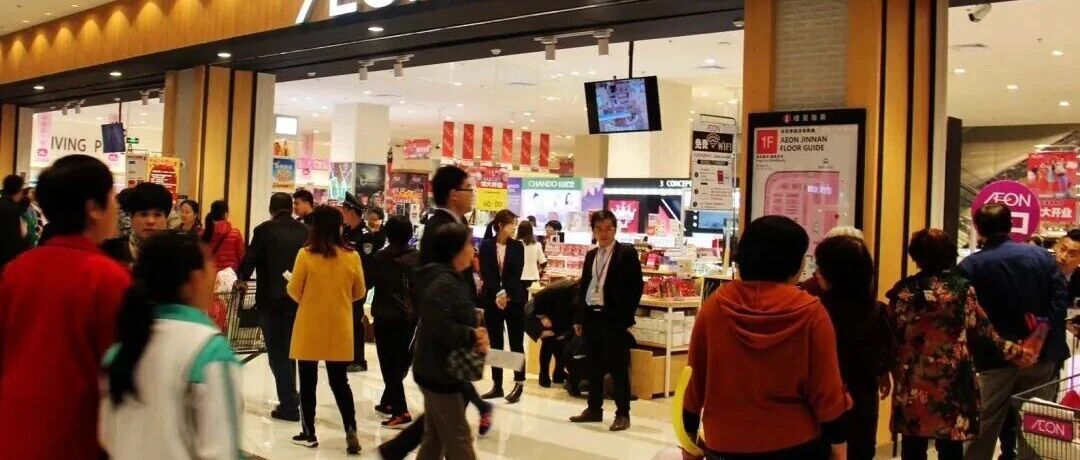
在华30年老超市,亏损超7亿仍坚守,中国市场真有这么香?
商业洞察· 2026-03-18 09:24
Core Viewpoint - The article discusses the challenges faced by Aeon, a Japanese retail giant, in the Chinese market, highlighting its significant financial losses and strategic adjustments in response to changing consumer behavior and market dynamics [1][4][12]. Group 1: Financial Performance - Aeon reported a loss of 193 million in the first half of 2025, with cumulative losses nearing 900 million since 2017 [1][4]. - The company has not made a profit in its mainland operations since 2017, leading to a series of store closures, including the complete exit from Beijing by May 2025 [4][6]. Group 2: Market Dynamics - The rapid rise of e-commerce and local competitors like CR Vanguard and Pang Donglai has significantly impacted Aeon's market share, as consumers prefer faster delivery options over traditional supermarket shopping [4][6]. - Aeon's reliance on imported goods has made it less competitive against local brands that offer better price-performance ratios [6][12]. Group 3: Strategic Adjustments - In response to market challenges, Aeon is shifting its business model by downsizing store formats to focus on smaller, more specialized offerings, such as fresh food and Japanese products [10]. - The company is attempting to align more closely with Chinese consumer preferences, moving away from its traditional "big and comprehensive" approach [10][12]. Group 4: Long-term Perspective - Despite current losses, Aeon's commitment to the Chinese market reflects a belief in its long-term potential, as the market remains one of the largest globally with significant growth opportunities [8][12]. - The article suggests that Aeon's perseverance in the face of adversity may ultimately lead to future success, contrasting it with other foreign retailers that have exited the market [10][12].