徐福记沙琪玛

Search documents
百亿套现离场!徐福记易主外资,创始人退出,民族品牌该何去何从
商业洞察· 2026-03-22 09:22
Core Viewpoint - The article discusses the transition of Xu Fu Ji, a well-known Chinese candy brand, from a domestic company to a fully foreign-owned subsidiary after Nestlé acquired the remaining 40% of its shares, raising questions about the future of national brands in China [2][3][13]. Group 1: Xu Fu Ji's Origins and Growth - Xu Fu Ji originated in the 1980s in Taipei, where the Xu brothers started selling candy from a mobile cart, gradually building a reputation for quality and affordability [5][6]. - The company expanded to mainland China in the early 1990s, initially focusing on contract manufacturing before pivoting to the holiday gift and wedding candy market, capitalizing on a lack of packaged options [7][8]. Group 2: Foreign Investment and Management Changes - In the early 2000s, international brands like Dove and Ferrero entered the Chinese market, prompting Xu Fu Ji to seek external investment to enhance its competitiveness [10][11]. - In 2011, Xu Fu Ji sold 60% of its shares to Nestlé for $1.7 billion, allowing the brand to leverage Nestlé's global resources and technology, leading to a gradual exit of the Xu family from management [12][13]. Group 3: Future Prospects and Market Strategy - Nestlé's full acquisition of Xu Fu Ji is driven by economic considerations, as Xu Fu Ji has a vast distribution network of 3,500 distributors and 1.3 million retail outlets, particularly in lower-tier cities [16]. - Nestlé plans to utilize its global supply chain and production technology to diversify and improve Xu Fu Ji's product offerings, aiming to achieve a domestic sales target of 10 billion yuan within three years [16][17]. Group 4: Diverging Paths of National Brands - The article contrasts Xu Fu Ji's strategy with that of other national brands like Bai Xiang, which has chosen to remain independent and has gained respect for its commitment to social responsibility and cultural values [19][20]. - The discussion highlights that both paths—collaboration with foreign entities and maintaining independence—have their merits and challenges, emphasizing the importance of preserving brand identity and quality [24][25].

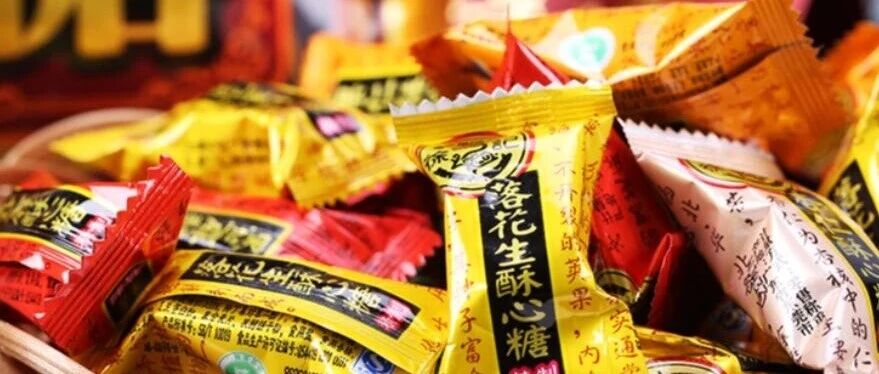
彻底卖光!又一国产品牌落入外资之手,创始人套现百亿潇洒离场
Sou Hu Cai Jing· 2026-01-11 01:45
Core Viewpoint - Nestlé has acquired the remaining 40% stake in Xu Fu Ji, marking the complete transition of the once-local candy brand into foreign ownership, raising questions about the preservation of cultural significance in Chinese traditions [1] Group 1: Company History and Development - Xu Fu Ji started as a small workshop in Dongguan, founded by four brothers from Taiwan, who initially sold candy on the streets of Taipei in the 1980s [3] - The company transformed from a contract manufacturer to an industry leader by introducing gift box packaging in 1996, which was considered high-end at the time, priced at 20 yuan [5] - By 2011, Xu Fu Ji achieved annual revenue of 4.3 billion yuan, but faced challenges with the entry of international brands like Dove and Ferrero into the Chinese market [5][7] Group 2: Financial Performance and Strategic Changes - After a significant investment from Nestlé, which acquired 60% of the company for $1.7 billion, Xu Fu Ji aimed to enhance its technology and research capabilities [7] - The company struggled with declining sales due to the rise of e-commerce and health trends, leading to a drop in performance, with annual reports no longer listing Xu Fu Ji separately [7] - A turnaround occurred post-2020 with the introduction of live-stream selling and low-sugar products, projecting revenue to exceed 7 billion yuan in 2024 [9] Group 3: Market Position and Consumer Sentiment - The acquisition by Nestlé has raised concerns about the future of Xu Fu Ji, especially as younger consumers gravitate towards brands like Three Squirrels and Liangpin Shop [11] - Quality issues have been reported, including incidents of foreign objects found in products, which may affect consumer trust [11] - The sentiment among consumers may not focus on the ownership of the brand but rather on the quality and pricing of the products, especially during festive seasons [12][14]