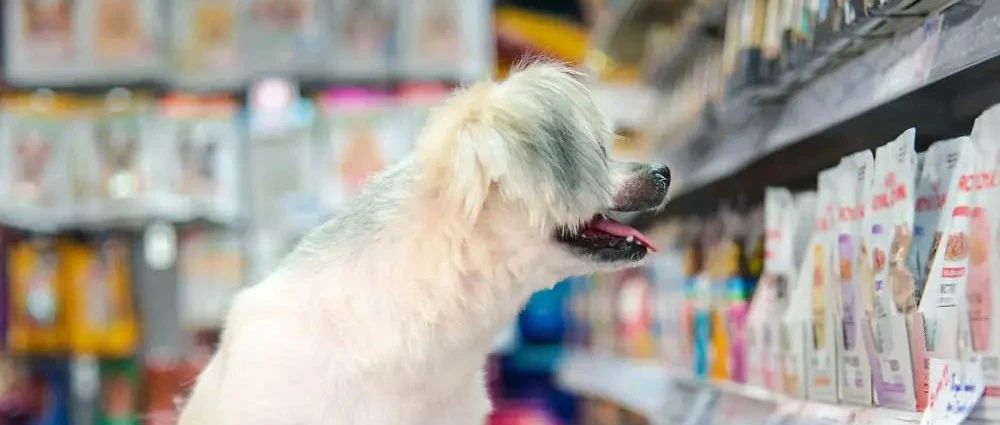
宠物冷藏鲜食

Search documents
派特鲜生关店近 半宠物鲜食的风口迷局
Bei Jing Shang Bao· 2025-11-18 16:01
Core Insights - The recent closure of all physical stores by Pet Fresh, a pet fresh food brand founded by former Hema founder Hou Yi, has raised questions about the viability of the pet fresh food market [1][2] - Pet Fresh aimed to create a new retail model similar to Hema but faced significant operational challenges leading to its decision to focus solely on online sales [1][3] Company Overview - Pet Fresh offered a variety of products including fresh pet food, refrigerated food, and over 300 types of snacks, utilizing an integrated online and offline retail model [2] - The company initially opened its first store in Shanghai in February and completed a $25 million angel round of financing in May, aiming to expand to 100 stores by the end of the year [1][2] Market Challenges - The closure of Pet Fresh's stores is attributed to high operational costs, including rent and labor, as well as the need for specialized kitchen equipment and cold chain logistics [2][3] - The pet fresh food market has a lower purchase frequency compared to traditional grocery shopping, making it difficult for physical stores to maintain consistent customer traffic [3][4] Competitive Landscape - Other players in the pet fresh food market, such as "Duke is Here," have also faced challenges but have managed to survive by building a loyal customer base and integrating online sales [4][5] - New entrants like "Pure Paw Pet Bakery" are attempting to navigate the market by focusing on high-quality ingredients and local customer bases [5][6] Cost Structure - The operational costs for pet fresh food businesses are high, with significant expenses related to rent, utilities, and quality ingredients, making profitability challenging [6][8] - The price sensitivity of consumers often leads them to choose cheaper options like traditional pet food, limiting the market for premium fresh food products [9][10] Regulatory Environment - There is currently no unified safety standard for pet fresh food in China, leading to consumer concerns about product quality and safety [11][12] - Existing regulations primarily cover pet feed but do not extend to fresh food, creating a regulatory gap that could impact market growth and consumer trust [12][13] Future Outlook - The pet economy in China is projected to reach a market size of 1.15 trillion yuan by 2028, indicating potential growth opportunities despite current challenges [14] - Experts suggest the need for a multi-tiered standard system to ensure product safety and quality in the pet fresh food sector [15][16]


侯毅再创业!要做宠物界“盒马”?
21世纪经济报道· 2025-02-26 04:36
Core Viewpoint - The article discusses the launch of a new pet food retail brand "Paiteshengsheng" by Hou Yi, the founder of Hema Fresh, focusing on the potential and challenges in the pet food market in China [2][5]. Group 1: Company Overview - "Paiteshengsheng" aims to open 100 stores in Shanghai by 2025, with 10 stores planned to be operational by March 2025 and over 20 more in the signing process [2][6]. - The brand's product offerings include fresh pet food, refrigerated food, and over 300 types of snacks, aiming to meet immediate retail needs within a 3-kilometer radius [2][5]. - The business model is inspired by Hema Fresh, with a focus on fresh ingredients and a variety of pet food products, including human-grade options [2][5]. Group 2: Market Potential - The pet economy in China is growing, with a projected increase in pet numbers to 124 million by 2024, a 2.1% rise from 2023 [5]. - The urban pet consumption market is expected to grow by 7.5% in 2024, reaching 300.2 billion yuan, with dog and cat markets growing by 4.6% and 10.7% respectively [5]. - Government initiatives in cities like Shanghai and Shenzhen are promoting the pet economy, indicating a favorable environment for growth [5]. Group 3: Challenges and Competition - The article highlights that pet fresh food is not a necessity but a personalized product, which may limit the appeal of "Paiteshengsheng" to pet owners [3][4]. - There is significant product homogeneity in the pet food market, making it difficult for "Paiteshengsheng" to differentiate itself from existing pet stores [3][10]. - Customer feedback indicates that the variety and quality of fresh food offerings at "Paiteshengsheng" may not meet expectations, with concerns about freshness and product knowledge among staff [9][10]. Group 4: Business Strategy - "Paiteshengsheng" plans to adopt a franchise model after establishing its initial stores, aiming for a balanced approach to expansion without excessive cash burn [6][8]. - The company intends to leverage a supply chain to reduce operational costs by 30%, offering competitive pricing on its private label products [8]. - Despite the low pricing strategy, the article notes that price is not the primary factor influencing consumer behavior in the pet food market, particularly for fresh food [8][11].