寿司卷

Search documents
在晚上八点的超市,消费者终于成为“上帝”
3 6 Ke· 2026-02-03 03:45
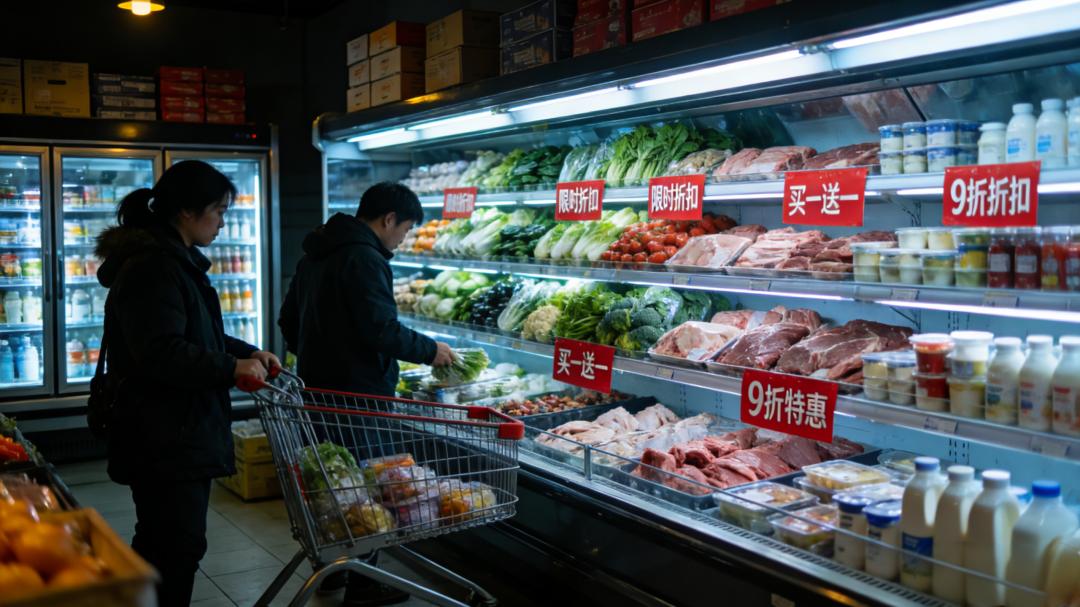
Core Insights - The article highlights the growing trend of nighttime discount shopping in Chinese supermarkets, where consumers are increasingly attracted to significant price reductions on various food items after 8 PM [2][3][12] - This phenomenon reflects a shift in consumer behavior towards seeking value and efficiency in shopping, particularly among urban professionals who prioritize convenience and cost-effectiveness [4][11] Group 1: Consumer Behavior - Many consumers are now actively participating in nighttime discount shopping, often sharing their experiences on social media, indicating a cultural shift towards valuing discounted goods [1][6] - The primary demographic engaging in this trend consists of urban white-collar workers who are time-constrained and prefer ready-to-eat meals at reduced prices [4][11] - Consumers perceive that the quality of discounted items is comparable to full-priced products, leading to a mindset that values both savings and sustainability by reducing food waste [7][11] Group 2: Supermarket Strategies - Supermarkets like Wumart, Hema, and others have adopted structured discount strategies, offering significant markdowns on perishable goods to manage inventory and minimize waste [3][8] - The implementation of dynamic pricing strategies based on real-time sales data and consumer behavior is becoming common, allowing supermarkets to optimize their discount offerings [11][12] - Nighttime discounts are not only effective for clearing inventory but also serve to enhance overall sales by attracting customers who may purchase full-priced items alongside discounted goods [8][12] Group 3: Market Trends - The rise of nighttime discounts signifies a broader transformation in the retail industry from a focus on price wars to more sophisticated inventory and supply chain management [11][14] - The trend is indicative of a more rational and mature consumer culture in China, where shoppers are becoming more discerning and strategic in their purchasing decisions [13][14] - Supermarkets are increasingly leveraging data analytics to predict demand and tailor their offerings, reflecting a shift towards precision in retail operations [11][12]