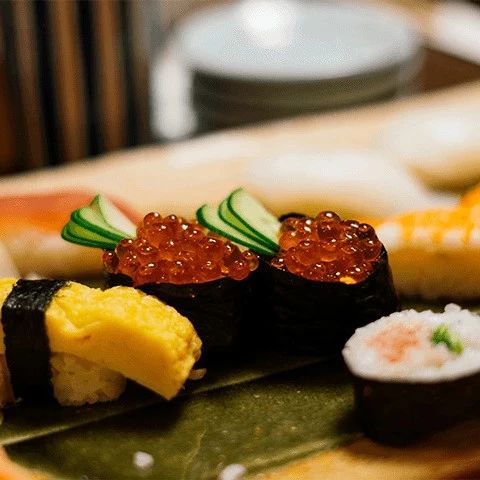
三文鱼寿司

Search documents
在晚上八点的超市,消费者终于成为“上帝”
3 6 Ke· 2026-02-03 03:45
Core Insights - The article highlights the growing trend of nighttime discount shopping in Chinese supermarkets, where consumers are increasingly attracted to significant price reductions on various food items after 8 PM [2][3][12] - This phenomenon reflects a shift in consumer behavior towards seeking value and efficiency in shopping, particularly among urban professionals who prioritize convenience and cost-effectiveness [4][11] Group 1: Consumer Behavior - Many consumers are now actively participating in nighttime discount shopping, often sharing their experiences on social media, indicating a cultural shift towards valuing discounted goods [1][6] - The primary demographic engaging in this trend consists of urban white-collar workers who are time-constrained and prefer ready-to-eat meals at reduced prices [4][11] - Consumers perceive that the quality of discounted items is comparable to full-priced products, leading to a mindset that values both savings and sustainability by reducing food waste [7][11] Group 2: Supermarket Strategies - Supermarkets like Wumart, Hema, and others have adopted structured discount strategies, offering significant markdowns on perishable goods to manage inventory and minimize waste [3][8] - The implementation of dynamic pricing strategies based on real-time sales data and consumer behavior is becoming common, allowing supermarkets to optimize their discount offerings [11][12] - Nighttime discounts are not only effective for clearing inventory but also serve to enhance overall sales by attracting customers who may purchase full-priced items alongside discounted goods [8][12] Group 3: Market Trends - The rise of nighttime discounts signifies a broader transformation in the retail industry from a focus on price wars to more sophisticated inventory and supply chain management [11][14] - The trend is indicative of a more rational and mature consumer culture in China, where shoppers are becoming more discerning and strategic in their purchasing decisions [13][14] - Supermarkets are increasingly leveraging data analytics to predict demand and tailor their offerings, reflecting a shift towards precision in retail operations [11][12]


「日料界的瑞幸」,偷了萨莉亚的家
Xin Lang Cai Jing· 2025-08-15 16:55
Core Insights - Sushi Lang is experiencing a significant surge in popularity, particularly among young consumers, as it offers a more affordable sushi dining experience compared to traditional high-end sushi restaurants [5][12][21] - The brand's rapid expansion in China, with multiple new store openings in major cities, reflects a shift in consumer preferences towards value-oriented dining options [6][19][34] Group 1: Market Trends - The sushi dining landscape in China is evolving, with a notable trend towards affordable sushi options, as evidenced by the increasing number of sushi restaurants with average consumer spending below 45 yuan [32] - Sushi Lang's pricing strategy, with items priced around 8 to 15 yuan, positions it as a competitive player in the market, appealing to budget-conscious consumers [14][21] - The brand's success is attributed to its ability to leverage social media and create a buzz among younger demographics, enhancing its visibility and desirability [10][27] Group 2: Consumer Behavior - Consumers are drawn to Sushi Lang not only for its price but also for the social experience it offers, with long queues and a vibrant dining atmosphere becoming part of the appeal [6][7][34] - The emergence of "scalpers" in the sushi dining scene indicates a high demand for Sushi Lang, with new metrics for measuring popularity being established among enthusiasts [9][28] - The brand's menu diversity, featuring over 200 items, allows for a customizable dining experience that resonates with younger consumers seeking variety [14][21] Group 3: Competitive Landscape - Sushi Lang's rise coincides with the decline of traditional high-end sushi brands, which struggle to maintain relevance in a market increasingly favoring affordability and local adaptations [23][34] - The brand's operational efficiency, including streamlined service and cost control measures, has contributed to its ability to offer competitive pricing while maintaining quality [21][34] - Other emerging sushi brands are adopting similar strategies, indicating a broader industry shift towards casual, affordable dining experiences that cater to the changing tastes of consumers [32][34]

「日料界的瑞幸」,偷了萨莉亚的家
36氪· 2025-08-15 10:44
Core Viewpoint - The article discusses the rising popularity of Sushi Lang, a budget sushi brand in China, highlighting its appeal among young consumers and the shift in the sushi market towards affordability and local adaptation [10][38][50]. Group 1: Market Trends - The sushi market in China is experiencing a significant shift towards affordable sushi options, with Sushi Lang leading this trend [10][50]. - Sushi Lang has opened multiple locations in major cities like Beijing and Guangzhou, often resulting in long queues and high demand [11][14]. - The brand's pricing strategy, with items priced around 8 to 15 yuan, positions it as a "people's sushi," contrasting with traditional high-end sushi restaurants [23][26]. Group 2: Consumer Behavior - Young consumers are increasingly drawn to Sushi Lang for its perceived value and social media presence, with many sharing their dining experiences online [21][17]. - The concept of "value for money" is crucial, as consumers are looking for affordable dining options that still provide a satisfying experience [23][50]. - The popularity of Sushi Lang reflects a broader trend where consumers prioritize experience and social media shareability over traditional notions of authenticity in cuisine [48][58]. Group 3: Competitive Landscape - The rise of Sushi Lang coincides with the decline of traditional sushi brands that emphasize authenticity, as seen with KURA Sushi's struggles in the market [42][45]. - New entrants in the sushi market are adopting similar strategies to Sushi Lang, focusing on affordability and local flavors to attract consumers [60][66]. - The overall sushi market is expanding, with a significant increase in the number of sushi restaurants, indicating a growing acceptance of sushi as a mainstream dining option [60][68].