
尼龙球

Search documents
羽毛球价格飙升,平替品卖断货!未来市场谁主沉浮?
Qi Lu Wan Bao Wang· 2025-08-02 11:17
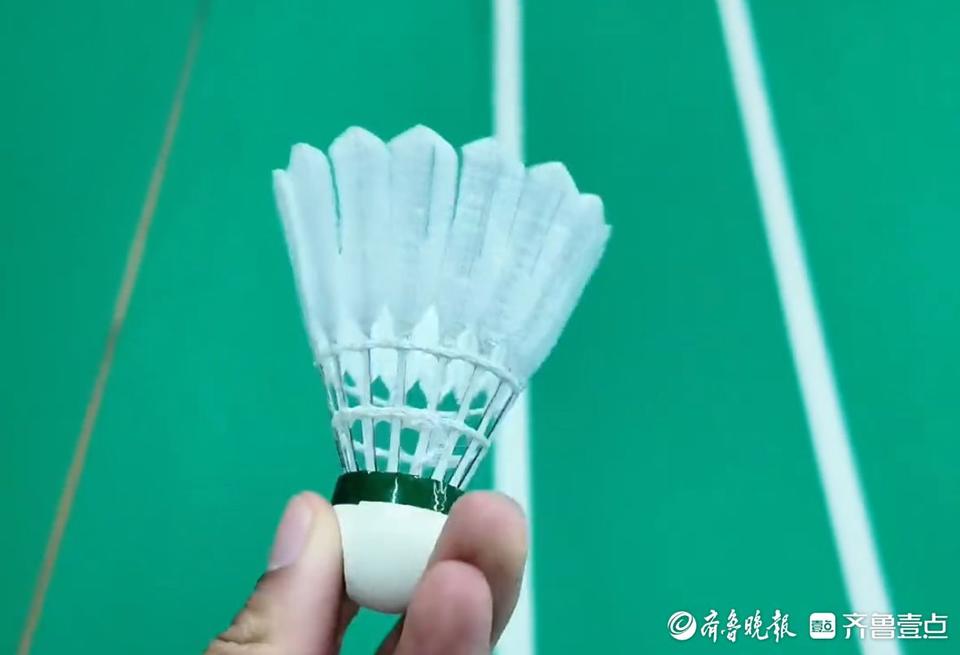
Core Insights - The price of badminton has increased significantly over the past six months, with many brands raising prices by 20-30 yuan per barrel, leading to concerns among enthusiasts about affordability [2][3][5] - The rise in prices is attributed to a shortage of raw materials, particularly duck and goose feathers, which are essential for manufacturing high-quality feather shuttlecocks [7][10] - Despite the price hikes, sales volume for badminton products remains stable or even shows an upward trend, indicating that consumer enthusiasm for the sport persists [5][10] Price Trends - Specific examples of price increases include the Yonex AS-05 shuttlecock, which rose from 180 yuan to 218 yuan per barrel, and the AS-9 from 160 yuan to 185 yuan, reflecting a price increase of 20-35 yuan [5] - Other brands such as Victor, Decathlon, and RSL have also experienced slight price increases, with Decathlon's shuttlecocks now priced between 89.9 yuan and 249.9 yuan [5] Supply Chain Issues - The decline in duck and goose farming has led to a significant reduction in the supply of feathers, causing a spike in prices for shuttlecock materials [7] - The production of nylon shuttlecocks has seen a slight increase in sales as consumers look for more affordable alternatives, with prices remaining stable around 90 yuan per barrel [8] Market Dynamics - The current high prices of traditional feather shuttlecocks are expected to remain as the supply chain struggles to recover, indicating a potential new price baseline for the industry [10] - The market for synthetic shuttlecocks, such as nylon and carbon fiber options, is anticipated to grow, driven by technological advancements and consumer acceptance [10][11]

小羽毛撬动大市场:羽毛球产业如何破解涨价困局
Zheng Quan Ri Bao· 2025-05-13 16:12
Price Increase - The badminton market has experienced significant price increases, with some products seeing a rise of up to 100% over two years, leading to a "hard-to-find" situation for certain items [1][2] - Major brands like Yonex and Victor have raised prices due to a combination of rising market demand and a shortage of duck and goose feathers, which are essential raw materials for badminton production [1][2] Raw Material Shortage - The primary reason for the price hikes is the shortage of quality feathers, with the supply of meat ducks in China dropping from 2 billion to 1.2 billion from 2019 to 2023, a decrease of 40% [2][3] - The domestic duck and goose farming scale has been shrinking, exacerbating the supply tension for high-quality feathers, as the profitability of meat production has been affected by rising feed costs [3] Market Demand - The demand for badminton has been increasing due to heightened health awareness among the public and the growth of professional training and amateur competitions [3][5] - The badminton industry is expected to maintain high prices in the near future due to sustained demand growth [3] Industry Response - Companies are optimizing their supply chains and increasing production capacity to address the raw material shortages, with some firms establishing integrated breeding and processing facilities [4] - The introduction of synthetic feather badminton products is being explored as a potential solution to the natural feather supply crisis, with these products showing improved durability and lower costs [4][5] Future Outlook - The badminton industry may undergo significant changes driven by new material research, supply chain optimization, and technological innovation, potentially leading to a more diversified market structure [5] - Companies that can achieve technological breakthroughs and optimize their supply chains are likely to gain a competitive edge in the evolving market landscape [5]
这个东西的涨幅超黄金,大鹅大鸭的羽毛供不应“球”
Qi Lu Wan Bao Wang· 2025-04-15 04:43
Core Viewpoint - The price of badminton shuttlecocks has significantly increased, surpassing the price increase of gold over the same period, primarily due to supply and demand dynamics in the market [1][2][3]. Group 1: Price Increases - Major badminton manufacturers like Victor and Yonex have announced price hikes starting in April, with the retail price of popular models like the Yonex AS-05 shuttlecock rising from 210 yuan to 275 yuan within four months, marking an increase of nearly three times compared to two years ago when it was priced at 95 yuan [2][3]. - The frequency of price increases is notable, with reports indicating that shuttlecock prices tend to rise every two to three months, reflecting the ongoing demand from a growing number of badminton enthusiasts in China [2][3]. Group 2: Supply and Demand Dynamics - The number of people participating in badminton in China has reached 250 million, with the number of badminton courts increasing by over 40% in the past five years, indicating a substantial rise in demand for shuttlecocks [3]. - Conversely, the production of the primary raw material for shuttlecocks, duck and goose feathers, has been declining. The output of commercial meat ducks decreased from 4.878 billion in 2019 to 4.22 billion in 2024, while the output of commercial geese fell from 634 million to 569 million over the same period [4]. Group 3: Raw Material Challenges - The price of high-quality goose feathers has increased by 35% year-on-year, but the supply has only grown by 8%, leading to a significant supply-demand imbalance [4]. - The production of a single shuttlecock requires feathers from over two ducks or geese, complicating the supply chain further. The wholesale price of feathers has risen from approximately 200 yuan per pound to about 300 yuan, reflecting a 50% increase [4]. Group 4: Industry Adaptation - The rising prices of shuttlecocks have led to discussions about the need for innovation in synthetic shuttlecock technology as a potential solution to the supply issues. This shift could help reduce costs for consumers and ensure the sport's continued growth [7]. - The Asian Badminton Confederation has acknowledged the price increase issue across Asia and is exploring the integration of synthetic shuttlecocks in future events, indicating a potential shift in industry standards [7].