供应链优化

Search documents
小菜园:交接覆盖:2025年营收利润双增长,2026年主动战略调整期
海通国际· 2026-04-01 04:50
Investment Rating - The investment rating for Xiaocaiyuan International has been downgraded to "Neutral" with a target price of HKD 6.79, indicating a modest upside of 0.2% from the current price of HKD 6.78 [2][3]. Core Insights - Xiaocaiyuan is expected to achieve revenue growth in 2026-2028, with projected revenues of RMB 5.707 billion, RMB 6.970 billion, and RMB 7.852 billion, representing year-on-year growth rates of +6.8%, +22.1%, and +12.7% respectively. Net profit is forecasted at RMB 634 million, RMB 783 million, and RMB 898 million, with year-on-year growth rates of -11.3%, +23.4%, and +14.7% [3][13]. - The company is entering a strategic adjustment year in 2026, focusing on proactive price reductions for dine-in services to enhance its "value-for-money" positioning, which is expected to lead to a decrease in gross margin from 70.4% in 2025 to 65.0% [5][15]. - The 88VIP membership program has shown strong initial performance, adding over 410,000 members within two and a half months and achieving a repurchase rate exceeding 40%, which is expected to drive customer traffic during the adjustment year [6][16]. Revenue and Profit Forecast - For 2025, Xiaocaiyuan reported a revenue of RMB 5,345.1 million, reflecting a year-on-year increase of 2.6%. The net profit for the same year was RMB 715.1 million, up 23.2% year-on-year, with a net margin of 13.4% [4][14]. - The revenue breakdown for 2026 estimates dine-in revenue at RMB 3,482.1 million and delivery revenue at RMB 2,204.9 million, both showing a year-on-year growth of 6.8% [10][12]. Strategic Initiatives - The company is implementing a "premium delivery" strategy to optimize its delivery mix, capping delivery orders at 30% during peak hours to maintain quality [5][15]. - A new smart factory in Ma'anshan is set to commence operations in the first half of 2026, which is expected to enhance cost control and operational efficiency [8][17]. - The new store model has demonstrated high efficiency, with a breakeven period of approximately one month and a payback period of about 12 months, indicating strong replicability [18].
H&H国际控股:25年业绩反弹,修复动力具备持续性-20260401
HUAXI Securities· 2026-04-01 04:35
Investment Rating - The report assigns a "Buy" rating to H&H International Holdings (1112.HK) [1] Core Insights - The company achieved a revenue of HKD 14.354 billion for FY25, representing a year-on-year increase of 10.0%, and a net profit of HKD 196 million, a significant increase of 465.2% year-on-year [2] - The adjusted comparable net profit for FY25 was HKD 664 million, up 22.7% year-on-year, with a proposed annual dividend of HKD 0.35 per share, accounting for approximately 30.0% of the adjusted comparable net profit [2] - The company is expected to maintain growth momentum in the nutritional supplement sector while stabilizing profit levels [10] Summary by Sections Revenue and Profitability - For FY25, the company's revenue from nutritional supplements, infant formula, and other income was HKD 9.289 billion, HKD 4.216 billion, and HKD 849 million, respectively, with year-on-year changes of +5.2%, +26.5%, and -4.5% [3] - The adjusted comparable net profit margin for FY25 was 4.6%, an increase of 0.5 percentage points year-on-year [7] Business Segments - The revenue breakdown by business segment for FY25 was as follows: ANC (HKD 6.946 billion, +3.7%), BNC (HKD 5.257 billion, +20.0%), and PNC (HKD 2.150 billion, +9.0%) [4] - The ANC segment's revenue from Swisse reached a milestone of HKD 1 billion, with double-digit growth in both the Chinese and Australian VHMS markets [4] Geographic Performance - Revenue from mainland China, North America, Australia/New Zealand, and other regions for FY25 was HKD 10.202 billion, HKD 1.748 billion, HKD 1.574 billion, and HKD 830 million, with year-on-year changes of +17.5%, +7.8%, -21.8%, and +7.8% respectively [5] - The mainland China market's contribution to total revenue increased from 66.6% to 71.1% [5] Supply Chain and Cost Management - The gross profit margin for FY25 was 62.4%, an increase of 1.8 percentage points year-on-year, driven by improvements in the gross margins of ANC and PNC segments [6] - The sales expense ratio for FY25 was 42.2%, reflecting a 0.9 percentage point increase year-on-year due to strategic investments in new markets [6] Financial Health - As of the end of FY25, the company had a cash balance of HKD 1.7 billion and reduced total liabilities by over HKD 600 million, with a net leverage ratio improved to 3.45 times [9] - The company plans to enhance its debt profile by increasing the proportion of low-cost RMB debt and reducing foreign exchange volatility [9] Future Outlook - Revenue forecasts for FY26 and FY27 have been adjusted to HKD 15.71 billion and HKD 17.19 billion, respectively, with an expected net profit of HKD 654 million and HKD 817 million [10] - The company aims to consolidate its position in the ANC segment in China, expand its market presence, and focus on high-margin nutritional products [9]
小菜园(00999):交接覆盖:2025年营收利润双增长,2026年主动战略调整期
Haitong Securities International· 2026-04-01 00:06
Investment Rating - The investment rating for Xiaocaiyuan International has been downgraded to "Neutral" [2][3]. Core Insights - Xiaocaiyuan is expected to achieve revenue growth in 2025, with a forecast of RMB5,707 million, RMB6,970 million, and RMB7,852 million for 2026-2028, representing year-on-year growth rates of +6.8%, +22.1%, and +12.7% respectively. Net profit is projected at RMB634 million, RMB783 million, and RMB898 million, with corresponding growth rates of -11.3%, +23.4%, and +14.7% [3][13]. - The company is entering a strategic adjustment year in 2026, focusing on proactive price reductions for dine-in services to enhance its "value-for-money" positioning, which is expected to lead to a decrease in gross margin from 70.4% in 2025 to 65.0% [5][15]. - The 88VIP membership program has shown strong initial performance, adding over 410,000 members within two and a half months and achieving a repurchase rate exceeding 40%, which is expected to drive customer traffic during the adjustment year [6][16]. Financial Performance Summary - In 2025, Xiaocaiyuan reported a revenue of RMB5,345.1 million, a year-on-year increase of 2.6%. The net profit reached RMB715.1 million, reflecting a growth of 23.2% year-on-year, with a net profit margin of 13.4% [4][14]. - The company added a net of 146 stores in 2025, bringing the total to 819, with 807 under the Xiaocaiyuan brand. Stores in tier-3 and below cities accounted for 42.5% of the total [4][14]. Strategic Initiatives - The company is implementing a "premium delivery" strategy, capping delivery mix at 30% during peak hours, and has reduced prices on signature dishes to maintain customer engagement [5][15]. - Supply chain enhancements include the establishment of 16 forward warehouses for efficient ingredient delivery and the upcoming launch of a smart factory in Ma'anshan, expected to support cost control during the adjustment year [8][17]. - The new store model has demonstrated high efficiency, with a breakeven period of approximately one month and a payback period of about 12 months, indicating strong replicability [8][18].
2026中国火锅连锁行业趋势白皮书
逸马连锁产业集团· 2026-03-30 07:03
Investment Rating - The report indicates a positive investment outlook for the hot pot chain industry, with a projected market size of 639 billion by 2025 and a compound annual growth rate (CAGR) of approximately 4.8% from 2026 to 2030 [4][8]. Core Insights - The industry is entering a phase of stock competition, with a store closure rate reaching a record high of 20% and a chain rate of approximately 25% to 35.1%, indicating significant consolidation [4][5]. - Digital transformation is becoming essential, with over 90% of brands adopting smart ordering and membership management systems, leading to a 5-8 percentage point increase in store profitability [4][5]. - The market is witnessing a shift towards health-conscious dining, with low-calorie meal sales increasing by 210% year-on-year and a preference for lighter broth options [4][5]. Summary by Sections Market Overview - The hot pot industry is currently in a period of stock competition and structural optimization, with a total market size of 639 billion projected for 2025 [4][8]. - The number of stores is expected to decrease, while the concentration of leading brands will increase, with the top 10 brands (CR10) projected to exceed 35% market share by 2028 [4][8]. Competitive Landscape - The competitive landscape is characterized by intense rivalry, with price wars becoming common and average discounts ranging from 7.5 to 7.8 [12][24]. - The top brands, such as Haidilao, are experiencing growth, while smaller brands are facing challenges, with a failure rate of approximately 35% for mid-sized brands [4][5][9]. Consumer Behavior - The consumer demographic is shifting, with younger generations (Z generation) making up 42% of the market, and single-person dining scenarios gaining popularity [17][18]. - Key decision factors for consumers include food safety, price, and the dining environment, with a growing emphasis on emotional value and social experiences [25][18]. Future Trends - The report forecasts that by 2026, the hot pot industry will reach a critical efficiency milestone, with supply chain, digitalization, organization, and brand strength being crucial for success [5][4]. - The report highlights the importance of adapting to consumer preferences for healthier options and the increasing demand for personalized dining experiences [4][5].
2026中国火锅连锁行业趋势白皮书:系统致胜·效率革命·生态重构·全球视野
逸马连锁产业集团· 2026-03-27 01:10
Investment Rating - The report indicates a positive investment outlook for the hot pot chain industry, highlighting significant growth potential and efficiency improvements [3]. Core Insights - The industry is entering a stock competition era with a store closure rate reaching approximately 20%, while the revenue concentration of leading brands has increased to 70% [3]. - Digital transformation is becoming essential, with digital investment accounting for 3%-5% of revenue, leading to profit margin improvements of 5-8 percentage points [3]. - The average net profit margin for leading brands is reported to be between 12%-18% [3]. Summary by Sections Executive Summary - The market size for the hot pot industry is projected to reach 639 billion by 2025, with a compound annual growth rate (CAGR) of 3.5% [3]. - The chain rate is estimated to be around 25%-35.1%, indicating significant room for consolidation [3]. - The average monthly sales per square meter for leading brands is 2,600 yuan, with a 23% increase in labor efficiency due to SaaS systems [3]. Macro Environment Analysis (PEST Model) - **Policy Environment**: Mandatory food safety regulations and stricter franchise management are expected to increase compliance costs [4]. - **Economic Environment**: The GDP growth is projected at 5.0%, with a corresponding increase in consumer spending in the restaurant sector [5]. - **Social Environment**: There is a growing demand for healthier options, with low-oil and low-salt preferences becoming mainstream [6]. Industry Overview - The industry is currently in a stock competition and structural optimization phase, with a forecast that by 2028, the top 10 brands will account for over 35% of the market [9]. - The market size is expected to grow from 4,200 billion in 2020 to 6,700 billion by 2026, with a notable increase in store closures [9]. Competitive Analysis (Porter's Five Forces) - Intense competition is characterized by frequent price wars and high marketing costs, with an average discount rate of 7.5-7.8 [13]. - The threat of new entrants is moderate, with a significant drop in new establishments and a low survival rate for new stores [24]. Market Segmentation Analysis - The market is segmented by price range, with the budget segment (<60 yuan) growing at 18.3%, while the high-end segment is declining [14]. - Regional specialties are gaining traction, with Sichuan hot pot accounting for 58% of the market share [14]. Consumer Insights - The primary consumer demographic is the Z generation, accounting for 38%-39% of restaurant spending, with a notable shift towards social dining experiences [17]. - Decision-making factors include health consciousness, with 40% of consumers preferring lighter broth options [25]. Capital Dynamics and M&A Analysis - The report highlights the increasing trend of mergers and acquisitions as brands seek to consolidate market share and enhance supply chain efficiencies [10]. Trend Forecast (2026-2030) - The report predicts that by 2028, the first brand will reach over 10,000 stores, with a continued increase in market concentration among leading brands [38].

Designer Brands(DBI) - 2026 Q4 - Earnings Call Transcript
2026-03-26 13:32
Financial Data and Key Metrics Changes - Net sales for Q4 2025 were flat year-over-year at $713.6 million, while full-year net sales decreased by 3.9% to $2.9 billion [5][23] - Consolidated comparable sales improved sequentially by 50 basis points in Q4, but were down 4.3% for the full year [5][23] - Adjusted operating income for the full year was $65 million, exceeding guidance of $50 million to $55 million, driven by improved sales trends and disciplined expense management [5][26] - Consolidated gross margin in Q4 was 42.4%, a 280 basis point improvement year-over-year, while full-year gross margin improved by 90 basis points to 43.6% [24] Business Line Data and Key Metrics Changes - Retail segment sales were flat year-over-year in Q4, with comparable sales down 1.7%, an improvement from a decline of 2.1% in Q3 [9][23] - Brand portfolio segment sales increased by 5.3% in Q4, driven by strong performance from Topo and Jessica Simpson [11][23] - The retail segment saw a gross margin improvement of 140 basis points in Q4 compared to the previous year [10] Market Data and Key Metrics Changes - The DSW brand generated 79 billion total impressions in 2025, up 10% year-over-year, indicating strong customer interest [7] - The company opened 13 new stores and remodeled four stores in 2025, with positive customer feedback and improved store performance [10] Company Strategy and Development Direction - The company is focused on winning with key merchandise, amplifying the DSW brand positioning, enhancing in-store customer experience, and building its brand portfolio [12][16] - Plans for 2026 include expanding into adjacent categories such as beauty and wellness, and collaborating with emerging consumer brands [13][14] - The company aims to maintain a disciplined approach to inventory management and cost control while enhancing product offerings [15][28] Management's Comments on Operating Environment and Future Outlook - Management acknowledged the volatile macroeconomic environment, including tariff dynamics and geopolitical tensions, which may impact consumer sentiment and inflation [20][30] - The company expects total sales in 2026 to range from a decline of 1% to an increase of 1%, with double-digit growth anticipated in the brand portfolio segment [20][30] - Management expressed confidence in building on the momentum from the latter half of 2025 and achieving meaningful operating income and EPS growth in 2026 [21][31] Other Important Information - The company ended Q4 with total inventories down 6% year-over-year and reduced total debt by nearly $60 million [28][29] - Adjusted net loss for Q4 was $15.6 million, or 31 cents per diluted share, compared to a loss of $21.3 million, or 44 cents per diluted share, in the prior year [27] Q&A Session Summary Question: Performance in the top eight national brands and revenue guidance - Management plans to evolve focus to the top ten brands for 2026, which includes three exclusive brands sold only at DSW, contributing to comp increases [34][35] - The guidance reflects conservatism due to macro uncertainty, particularly in the back half of the year against stronger comps [36] Question: Inventory and tariff impacts - The tariff environment remains evolving, with potential upside if new tariffs do not replace existing ones, impacting margins positively [45][47] - The company is seeing broad-based growth in categories like dress and affordable luxury, with a focus on managing promotions and inventory effectively [48][49]

澳大利亚部分地区出现油荒
财联社· 2026-03-22 15:23
Core Viewpoint - The Australian government assures that despite disruptions in fuel imports due to the conflict in Iran, fuel supply remains adequate and there are no plans for quantitative rationing at this time [1][2]. Group 1: Fuel Supply Status - As of the 21st, Australia's reserves of gasoline, diesel, and aviation fuel are sufficient for 38 days, 30 days, and 30 days respectively, indicating a strong fuel supply [1]. - The country relies on imports for 90% of its fuel, primarily from the Asia-Pacific region, and is currently facing disruptions in oil transport due to military actions affecting the Strait of Hormuz [1]. Group 2: Government Response - Prime Minister Anthony Albanese has urged the public to consume fuel rationally and avoid panic buying, as some remote areas are experiencing fuel shortages [2]. - A special task force has been established, led by former head of the National Energy Regulator, Ancia Harris, to address fuel shortages in certain regions and optimize the domestic supply chain [3].


万辰集团(300972):全年收入高增,利润率创新高
GF SECURITIES· 2026-03-19 00:53
Investment Rating - The report upgrades the investment rating of the company to "Buy" based on its strong performance and growth potential in the snack retail sector [7][19]. Core Insights - The company achieved a revenue of RMB 51.46 billion in 2025, representing a year-on-year growth of 59%, and a net profit of RMB 1.34 billion, up 358% year-on-year [7][8]. - The company is in a phase of "store expansion + single-store recovery + profit margin improvement," benefiting from the ongoing growth in the snack retail industry [7][19]. - The report forecasts revenues for 2026-2028 to be RMB 65.88 billion, RMB 78.02 billion, and RMB 87.50 billion, respectively, with net profits projected at RMB 2.37 billion, RMB 3.02 billion, and RMB 3.53 billion [3][8]. Revenue Performance - In 2025, the company’s snack retail business generated RMB 50.86 billion, accounting for 99% of total revenue, with a year-on-year growth of 60% [7][8]. - The company opened 4,118 new stores in 2025, bringing the total to 18,314 stores, with a focus on the East China region [7][8]. - Average revenue per store in 2025 was approximately RMB 3.13 million, showing a decline of 6.9% year-on-year, but with signs of recovery in the latter quarters [8][11]. Profitability Analysis - The company’s gross margin improved significantly, with Q4 net profit margin reaching 5.7%, up from 3.9% in Q1 [7][8]. - The report attributes the profit margin improvement to supply chain optimization, cost control, and enhanced operational efficiency [7][8]. - The projected net profit margins for 2026-2028 are expected to be 5.5%, 5.9%, and 6.2%, respectively [11][19]. Valuation Metrics - The report suggests a price-to-earnings (P/E) ratio of 20x for 2026, leading to a target price of RMB 247.38 per share [7][19]. - The company’s return on equity (ROE) is projected to be 90.7% in 2025, declining to 45.7% by 2028 [3][19]. - The estimated enterprise value to EBITDA (EV/EBITDA) ratio is expected to decrease from 9.6 in 2024 to 3.2 by 2028 [3][19].
华莱士退市,一个时代结束了
创业邦· 2026-03-13 10:49
Core Viewpoint - Wallace, a fast-food brand known for its low prices, has officially delisted from the New Third Board, marking the end of its capital market journey while continuing to operate nearly 20,000 stores across China [5][6][19]. Group 1: Company Background - Wallace was founded in 2001 by brothers Hua Huaiyu and Hua Huaqing in Fuzhou, starting with an initial investment of 80,000 yuan [8]. - The brand initially struggled against established competitors like KFC and McDonald's, which dominated the fast-food market with high prices [8][10]. - To survive, Wallace adopted a groundbreaking low-price strategy, offering items like cola for 1 yuan and hamburgers for 3 yuan, appealing to budget-conscious consumers [10][12]. Group 2: Growth and Expansion - From 2001 to 2022, Wallace expanded from 1 store to over 20,000, surpassing the total number of KFC and McDonald's outlets in China [12]. - The company innovated with a unique business model involving store crowdfunding and employee partnerships, which helped it scale rapidly [12][16]. - Despite its growth, Wallace's low-price model led to long-term financial challenges, with gross margins hovering around 6-7%, significantly below the industry average of 20% [16]. Group 3: Challenges and Decline - Rising costs for ingredients, labor, and rent have pressured Wallace's profit margins, forcing the company to cut costs, which has raised food safety concerns [17]. - The rapid expansion created management difficulties, leading to declining same-store sales as new locations cannibalized existing ones [17]. - Increased competition from both established brands and new entrants in the market has intensified the challenges faced by Wallace [17]. Group 4: Future Outlook - Wallace's delisting is seen as a strategic move to focus on operational efficiency and reduce compliance costs associated with being a public company [14][19]. - Post-delisting, the company plans to invest in supply chain optimization, product quality improvements, and innovation, shifting from a low-price focus to a quality-driven approach [19]. - The brand aims to adapt to changing consumer preferences, recognizing that quality and safety are essential for retaining customers in the evolving market landscape [21].

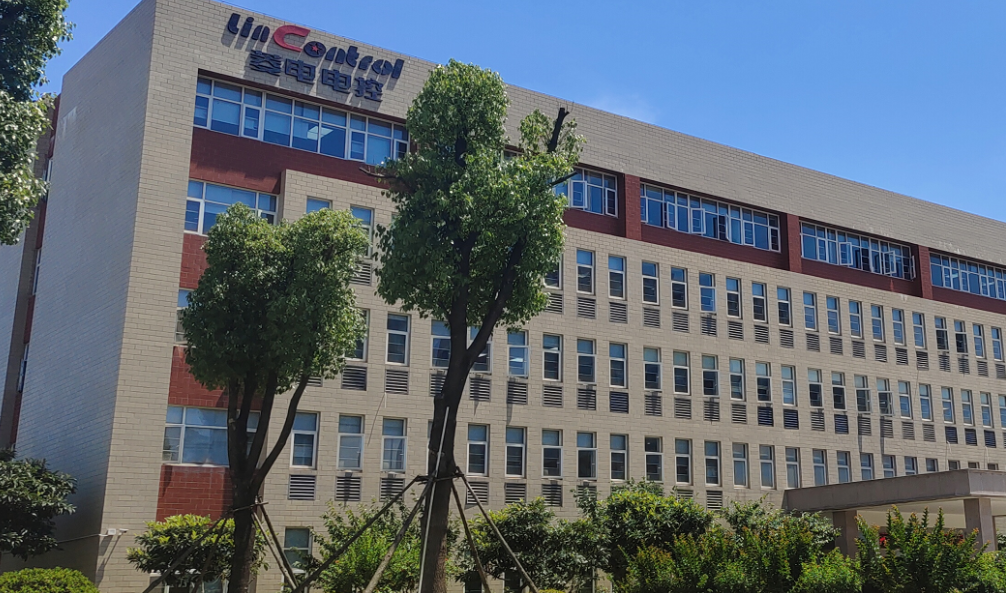
菱电电控2025年实现营收11.94亿元,净利润同比增长745.02%
Ju Chao Zi Xun· 2026-02-28 04:05
Core Insights - The company reported a significant increase in net profit and earnings per share for the fiscal year 2025, with net profit reaching 134.75 million yuan, a year-on-year growth of 745.02% [2][4] - Total revenue for the year was 1.19 billion yuan, remaining relatively stable compared to the previous year, with a slight decrease of 0.17% [3][4] Financial Performance - Operating profit was reported at 134.80 million yuan, showing a substantial increase of 1,574.60% compared to the previous year [3][4] - Total profit amounted to 134.77 million yuan, reflecting a year-on-year growth of 1,394.11% [3][4] - The basic earnings per share reached 2.59 yuan, marking a 735.48% increase from the previous year [3][4] - The weighted average return on net assets improved to 7.96%, an increase of 6.97 percentage points [3] Asset and Equity Growth - As of the end of 2025, total assets were reported at 2.21 billion yuan, a growth of 6.79% year-on-year [3] - Shareholder equity attributable to the listed company reached 1.79 billion yuan, increasing by 10.37% [3] - The net asset per share attributable to the parent company was 33.92 yuan, up by 8.51% [2] Operational Highlights - The company attributed its significant profit growth to improved profitability of core products and effective cost control measures [4] - New technologies, products, and projects have contributed to the company's steady business development, with successful launches of multiple products [4] - The reduction in stock incentive expenses and controlled R&D costs have also played a crucial role in enhancing operational profits [4]