
川剧《王熙凤》

Search documents
六十年红楼一梦
Xin Lang Cai Jing· 2026-02-17 21:44
1979年的川剧《王熙凤》,是她的首部红楼戏。该剧以王熙凤为核心,聚焦大观园内的家族纷争 与个人宿命,忠实遵循原著情节框架,通过"诓尤""堕胎"等经典折子戏,鲜活勾勒出人物精明狠 辣的鲜明特质,成为川剧红楼改编的经典蓝本,成功将文学形象转化为可感可触的舞台形象。 □王雪梅 1987年的川剧《红楼惊梦》,凝聚着她多年的人生沉淀与艺术思索,创作视角从单一人物延伸至 贾府群像,步入了大胆的实验阶段。 川剧《红楼之凤》是四川戏曲人对红楼经典的一次川味重塑。93岁高龄的徐棻,以一位女性剧作 家的独特视角与生命韧性,从1979年的《王熙凤》到1987年的《红楼惊梦》,再到如今的《红楼 之凤》,完成了与《红楼梦》这部古典巨著长达一个甲子的川剧对话。 这部作品打破了线性叙事桎梏,以"海棠枯死复开"的奇幻意象为引子,融合表现主义与魔幻现实 主义手法,将贾府的衰败演绎为一场集体性、象征性的"惊梦",细腻描摹红楼众生的悲剧命运, 让红楼故事的川剧表达更具格局与深度。 这部作品,如同一面棱镜,折射出三个维度的光华:一部个人创作史的完整闭环,一条鲜明的女 性主义书写脉络,以及老一辈艺术家"为戏而生"的赤诚坚守。 如今的《红楼之凤》,则 ...
《红楼梦》川剧改编的三次超越
Xin Lang Cai Jing· 2026-02-17 21:44
1月30日晚,根据古典名著《红楼梦》改编的川剧《红楼之凤》在成都首演。该剧是川剧史上第一位女剧作家、93 岁著名剧作家徐棻的封笔之作,也是成都市川剧研究院2026年开年大戏。 相较于以往取材于《红楼梦》的舞台作品,川剧《红楼之凤》在人物塑造、叙事视角与川剧本体表达上均呈现出 新的艺术特点与艺术提升。本报特约专家学者撰写专题评论文章,深入解读该剧的创新探索与审美价值,以飨读 者,敬请垂注。 □王屹飞 编者按 这种改编思路打破了传统戏曲的叙事逻辑,尽显徐棻作为剧作家的探索精神与开阔艺术视野。如果说《王熙凤》 是聚焦个体命运,《红楼惊梦》便是解构时代荒诞,二者分别承载了徐棻在不同时代对"红楼戏"的独特改编理 念。 当93岁高龄的徐棻在成都新声剧场的首演现场说出"川剧不负我,我也不负川剧"时,这部名为《红楼之凤》的封 笔之作,便成了这位老艺术家与川剧艺术六十余载深情羁绊的生动缩影。 作为徐棻的第三部"红楼戏",该剧既是对1979年《王熙凤》与1987年《红楼惊梦》的传承与革新,更是川剧名著 改编在当代语境下的一次重要探索。 徐棻创作的三次自我超越 《红楼之凤》的最大突破,在于作者对自身创作理念的超越与革新。深耕川剧六 ...

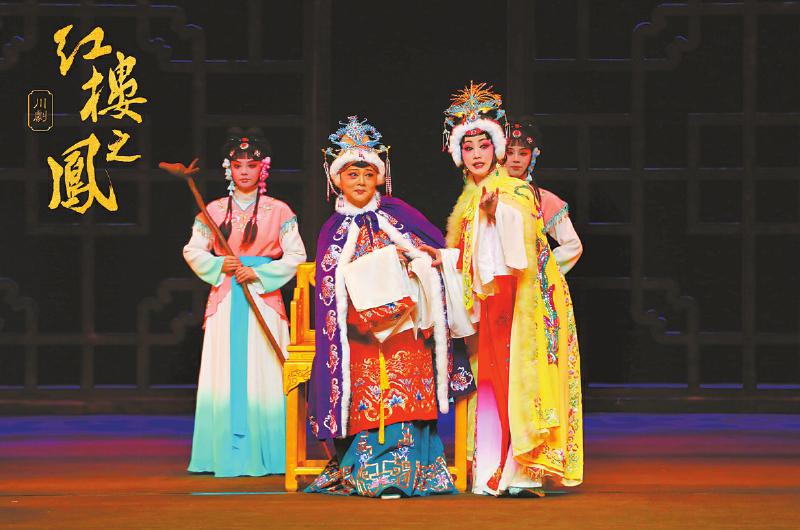
《红楼之凤》:九旬剧作家徐棻的“川剧绝唱”
Xin Lang Cai Jing· 2026-01-31 05:01
Core Viewpoint - The article highlights the return of renowned playwright Xu Zhen with her final work "The Phoenix of the Red Chamber," showcasing her significant contributions to Sichuan opera and her deep connection to the classic "Dream of the Red Chamber" [1][2]. Group 1: Xu Zhen's Contributions - Xu Zhen, born in 1933, is the first female playwright in the history of Sichuan opera and has dedicated over 60 years to its creation since joining Chengdu Sichuan Opera Theatre in 1961 [1]. - Her works have contributed to the success of 12 winners of the "Meihua Award," and she received the "Lifetime Achievement Award (Drama)" from the China Federation of Literary and Art Circles in 2023 [1]. Group 2: "The Phoenix of the Red Chamber" - "The Phoenix of the Red Chamber" is Xu Zhen's third adaptation related to "Dream of the Red Chamber," following her earlier works "Wang Xifeng" in 1963 and "Red Chamber Dream" in 1987 [1]. - The new play features a more refined structure and tighter narrative, introducing a new observer character, the "Lame Man of the Red Chamber," who provides philosophical insights on human experiences [2]. - The title "The Phoenix of the Red Chamber" cleverly references both the strong character Wang Xifeng and the fate-influencing character Yuan Chun, enriching the thematic depth of the play [2]. Group 3: Production Insights - Xu Zhen invested significant effort in the production process, overseeing script interpretation, overall style, stage design, and music, ensuring meticulous attention to detail despite her physical limitations [2]. - She actively participated in rehearsals and provided clear feedback on various aspects of the production, demonstrating her commitment and clarity of thought [2]. Group 4: Legacy and Challenges - After the premiere on January 30, Xu Zhen expressed gratitude to the audience, acknowledging this as her final work while also sharing her regrets about unaddressed themes she wished to explore [5]. - She highlighted the ongoing challenge of a lack of new playwrights in Sichuan opera, attributing it to a historical focus on external talent rather than nurturing local creators [5].
