巨嗨智控系统

Search documents
从“代际断层”到“沉浸式社交货币”,Z世代重新定义娱乐空间
Sou Hu Cai Jing· 2026-02-27 03:17
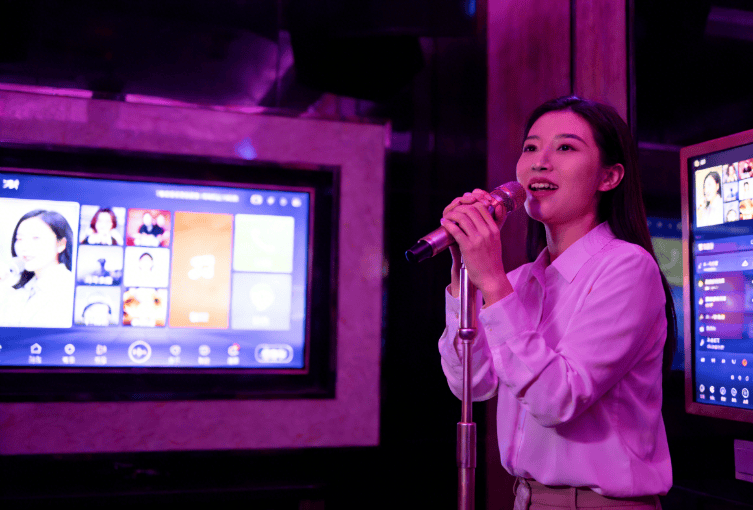
Core Insights - The entertainment market in Shanghai is undergoing a significant transformation, with a shift towards immersive and social experiences driven by Generation Z's preferences [1][2][4] Group 1: Market Trends - The Chinese entertainment consumption market is experiencing a "generational reset," with over 90% of Generation Z prioritizing "emotional value" in their spending [1] - The Spring Festival box office in Shanghai reached 196 million yuan, making it the top city in the country, indicating a resurgence in cinema attendance [1] - Generation Z's entertainment habits reflect a dual-mode of "O+O" (online and offline integration), where they seek personalized and immediate experiences [1][2] Group 2: Online and Offline Dynamics - Online entertainment is evolving from mere consumption to creation, with trends in short videos, live streaming, and virtual idols becoming prominent [2] - Offline experiences are thriving due to the irreplaceable social interactions they provide, with activities like live music events and immersive games gaining popularity [2] - Successful entertainment models are those that create a closed loop between online content and offline experiences, enhancing user-generated content (UGC) and social currency [2] Group 3: KTV Industry Challenges - Traditional KTVs face a mismatch with Generation Z's demands, characterized by outdated environments and social pressures [2][3] - The need for KTVs to evolve from simple singing venues to immersive entertainment spaces is critical for survival [3][4] Group 4: Technological Integration - The transformation of KTV involves integrating smart solutions like "Giant Hi-Tech," which combines IoT control systems, SaaS platforms, and AI data engines [3] - KTVs are moving towards a self-service model that enhances user autonomy and reduces social discomfort, aligning with Generation Z's preferences for efficiency and personalization [5] Group 5: Future Predictions - The future KTV market will be defined by those who can deliver exceptional emotional experiences, as traditional singing alone will not attract consumers in competitive markets like Shanghai [4] - The competition will shift from individual stores to a systemic and platform-based ecosystem, with leading service providers like Giant Hi-Tech setting new standards for entertainment spaces [7] - Data indicates that in transformed venues utilizing smart systems, the proportion of customers under 30 has risen to over 70% [7]

2026沉浸式娱乐趋势下,上海KTV如何转型“自助式社交声场”?
Sou Hu Cai Jing· 2026-01-22 03:55
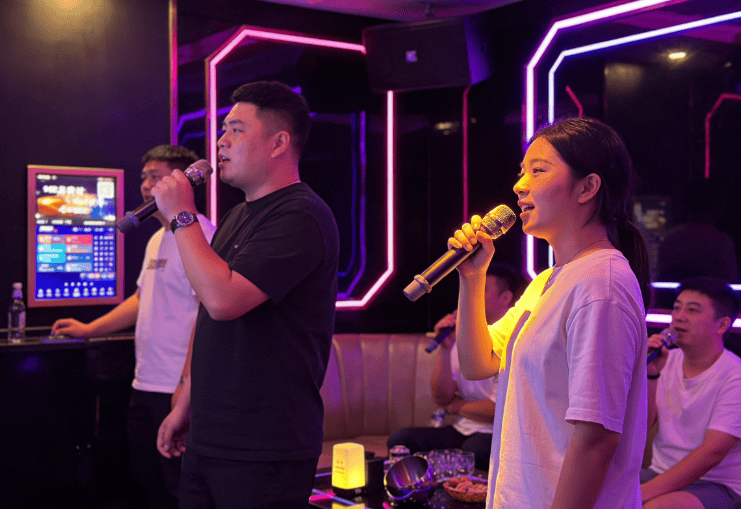
Core Insights - The traditional KTV industry is experiencing a decline, with over 50% of young consumers aged 18-35 no longer considering KTV as a primary entertainment choice within five years [1] - New immersive KTV experiences equipped with smart systems are emerging in urban areas, indicating a shift in entertainment preferences among Generation Z [1][2] - The future of entertainment will favor "self-service immersive entertainment spaces" that leverage technology to enhance user experiences [1] Industry Trends - Traditional KTVs are criticized for their fixed environments, while new KTVs are transforming rooms into "programmable emotional spaces" using IoT technology [1] - The ability to frequently update themes through cloud-based IP collaborations is a significant advantage for new KTVs, attracting local youth [2] - Generation Z prefers interactive, game-like experiences over traditional singing formats, leading to the integration of AI for booking, song selection, and performance [2][3] Technological Innovations - New KTVs feature AI systems that allow users to manage their experience entirely through apps, enhancing convenience and reducing the need for staff [2] - AI capabilities include real-time vocal enhancement and social gaming features, which have increased the proportion of customers under 25 by over 25% in three months at select locations [2] - Features that enable users to create shareable content, such as AI-generated music videos, are becoming essential for attracting younger audiences [3] Health and Comfort Considerations - New KTVs are incorporating health-focused features, such as vocal protection tips and air quality monitoring, to enhance user experience [3] - Systems that suggest throat care products based on user performance and environmental conditions are being implemented to improve comfort and retention [3] Investment Opportunities - The industry is shifting towards a model where the focus is on how to efficiently integrate advanced systems rather than whether to transform [4] - New business models, such as light asset franchising and modular deployment, are lowering barriers for smaller operators to adopt immersive entertainment concepts [4] - The year 2026 is identified as a critical period for capturing market share in the evolving entertainment landscape [4]