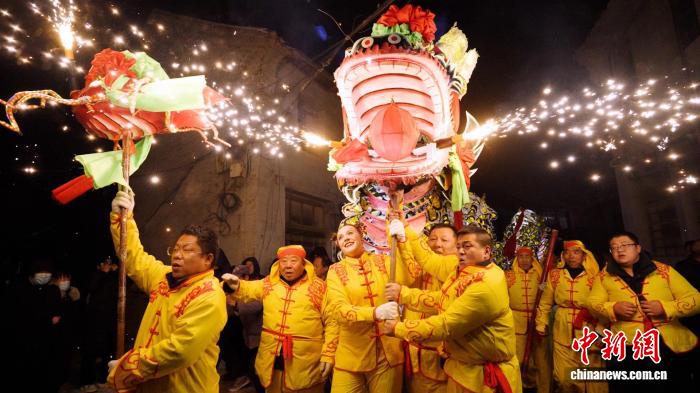
平城纸龙

Search documents
(新春见闻)外国友人寻龙迎春:在非遗技艺中邂逅中国年
Xin Lang Cai Jing· 2026-02-13 14:17
Core Viewpoint - The article highlights the increasing interest of foreign visitors in experiencing traditional Chinese New Year customs, particularly through the lens of the intangible cultural heritage represented by the paper dragon dance in Pingcheng Town, Shanxi Province [1][3]. Group 1: Cultural Heritage and Foreign Engagement - The "Spring Festival - Social Practice of Celebrating the Traditional New Year by Chinese People" has been recognized as an intangible cultural heritage by UNESCO, leading to more foreign friends immersing themselves in traditional customs in rural China [1]. - The Pingcheng paper dragon, a provincial intangible cultural heritage, has been passed down for nearly a thousand years, showcasing unique craftsmanship with over 30 production processes and requiring 10 people to collaborate over 15 days to create one dragon [1][3]. Group 2: Craftsmanship and Techniques - The special paint used for coloring the dragon heads, made from egg whites and plant dyes, is designed to enhance the paper's durability and color retention, ensuring the dragon remains lightweight and can be preserved for a long time [3]. - The red dragon represents the male and the black dragon represents the female in local folklore, symbolizing a couple that reunites every Spring Festival [3]. Group 3: Experience and Participation - The dragon dance is a crucial part of experiencing the paper dragon, with the dragon head weighing approximately 50 pounds, requiring four to five people to manage it [5]. - Foreign participants engaged in the dragon dance under the guidance of local masters, learning various movements and experiencing the festive atmosphere of the Chinese New Year [5].

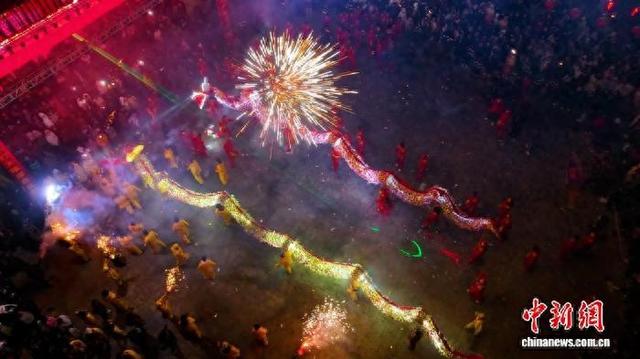
(新春走基层)外国“体验官”探寻非遗中的春节温度
Zhong Guo Xin Wen Wang· 2026-02-11 06:14
Core Viewpoint - The article highlights the increasing interest of foreign visitors in experiencing traditional Chinese New Year customs, particularly after the inclusion of the Spring Festival in UNESCO's list of intangible cultural heritage [2]. Group 1: Foreign Experience - Foreign participants from countries such as the United States, the United Kingdom, Egypt, and Pakistan engaged in local customs and traditions during the Spring Festival in Shanxi [1]. - The experience included learning traditional skills such as lion dancing, dragon dancing, and other folk performances, showcasing the vibrant atmosphere of the festival [2]. Group 2: Cultural Exchange - The foreign experience officers participated in various activities, including crafting paper dragons, which require over 30 processes and collaboration among 10 people, taking about 15 days to complete [2]. - Participants expressed their emotional connection to the festival, with one stating that the warmth of family gatherings is embedded in these traditional practices [4].