广佛线

Search documents
广州都市圈步入2.0时代:通勤圈、生活圈之外,如何打造产业圈
2 1 Shi Ji Jing Ji Bao Dao· 2026-02-27 13:20
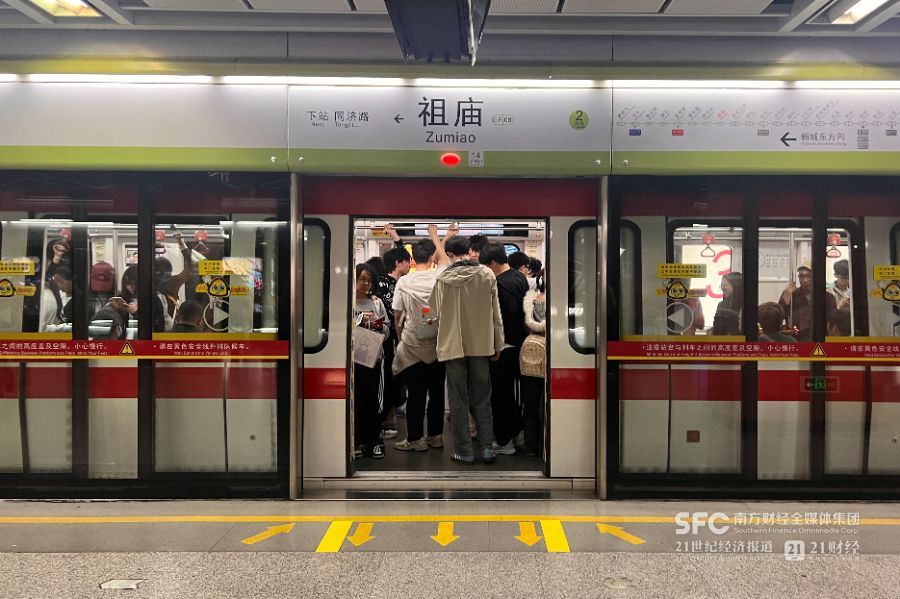
Core Insights - The Guangzhou-Foshan intercity metro line, known as the Guangfo Line, has significantly improved commuting efficiency between the two cities, with daily ridership expected to reach 199.4 million by the end of 2025 [1][4] - The Guangdong provincial government has outlined plans to enhance the Guangzhou metropolitan area by optimizing commuting, living, and industrial circles, emphasizing the need for better coordination across administrative regions [2][12] - Despite advancements in transportation infrastructure, industrial collaboration between Guangzhou and Foshan remains limited, necessitating deeper integration to fully leverage each city's strengths [11][12] Transportation Infrastructure - The Guangfo Line, operational since 2010, is the first intercity metro in China, facilitating direct access between key areas in Guangzhou and Foshan [1][3] - By 2025, the daily commuting population between Guangzhou and Foshan is projected to reach 39 million, with ongoing projects like the Guangfo West Ring Line and additional metro lines enhancing connectivity [7][11] - The Guangzhou metro network has expanded to 420 kilometers, linking multiple cities and creating a comprehensive urban transit system [5][7] Urban Integration - The integration of commuting and living circles is progressing, with a significant increase in cross-city travel for work and leisure, indicating a shift towards a more interconnected urban lifestyle [4][10] - The establishment of various transportation links has led to a "half-hour living circle," making it easier for residents to access services and amenities across both cities [8][12] Industrial Collaboration - Current industrial cooperation primarily focuses on research and development, with initiatives like the establishment of innovation parks and technology incubators in Foshan [11][12] - There is a need for more profound industrial integration, as existing collaborations are often superficial and do not fully exploit the potential of both cities' economic strengths [12][14] - Recommendations include reforming administrative evaluation systems to encourage cross-city collaboration and establishing shared economic benefits to foster deeper industrial ties [12][13]