康养旅游等

Search documents
推动文旅深度融合发展——对外经济贸易大学首都高端智库文化和旅游研究课题组
Jing Ji Ri Bao· 2026-02-26 22:06
Core Viewpoint - The integration of culture and tourism is a significant decision made by the central government, aimed at meeting the people's needs for a better life, empowering economic and social development, and building a culturally strong and tourism-oriented nation [1] Group 1: Economic and Social Development - The initial focus of the tourism industry was on foreign exchange earnings and infrastructure development, while cultural undertakings primarily served public functions [2] - The integration of culture and tourism has evolved from basic resource utilization to deeper collaboration, with significant policy support since the 18th National Congress of the Communist Party of China [3] - In 2024, the added value of cultural and related industries is projected to be 62.094 billion yuan, accounting for 4.61% of GDP, while tourism and related industries will contribute 58.631 billion yuan, or 4.35% of GDP, reflecting a slight increase from the previous year [4] Group 2: Market Trends and Consumer Behavior - The demand for single sightseeing tours has decreased as residents' consumption capacity has increased, leading to a need for more diverse and high-quality cultural tourism products [2][5] - By 2025, domestic tourist numbers are expected to reach 6.522 billion, with total spending of 6.3 trillion yuan, representing year-on-year growth of 16.2% and 9.5% respectively [4] Group 3: Policy and Structural Changes - The establishment of the Ministry of Culture and Tourism in 2018 marked a significant step towards institutional integration and deeper collaboration between the two sectors [3] - The 20th National Congress report emphasizes the need for a comprehensive and deep integration of culture and tourism, moving beyond simple institutional integration to a full-chain, multi-faceted collaboration [3] Group 4: Innovative Development Models - Various provinces have introduced policies to promote the integration of culture and tourism with other industries, leading to the emergence of new business models such as industrial tourism and sports tourism [6] - The transformation of industrial heritage into cultural tourism sites, as seen in Beijing's Shougang Park, has successfully attracted millions of visitors and generated significant economic benefits [7] Group 5: International Perspectives - Countries like France and Italy focus on the innovative transformation of cultural resources and brand operations to enhance cultural tourism, creating immersive experiences that extend the boundaries of cultural consumption [10] - The UK and Germany have developed sustainable tourism models through community involvement and social governance, effectively utilizing historical cultural resources [11] Group 6: Challenges and Areas for Improvement - Despite significant progress, challenges remain in product innovation, resource supply, and investment efficiency, leading to insufficient integration depth and effectiveness [13][14] - The reliance on ticket sales and a lack of diversified revenue models hinder the industry's resilience against risks [14] Group 7: Future Directions - The integration of digital technology is crucial for revitalizing the cultural tourism ecosystem, with a focus on enhancing operational management through smart technologies [16][17] - Establishing a stable support mechanism for cultural tourism projects is essential to address the long investment cycles and risks associated with the industry [17][18]
海南产经新观察:如何擦亮旅游“金名片”?
Zhong Guo Xin Wen Wang· 2025-10-17 11:26
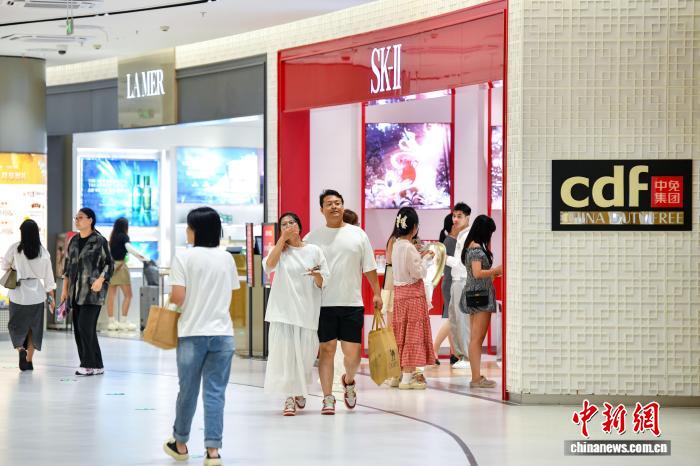
Core Viewpoint - The article discusses the strategic development of Hainan as an international tourism consumption center, emphasizing the need for high-quality tourism development and the implementation of new regulations to enhance the tourism industry [1][3]. Group 1: Strategic Development - Hainan is positioned as a key international tourism consumption center, which requires higher standards and comprehensive development in the tourism sector [1]. - The tourism industry is a major driver of Hainan's economic growth and showcases the achievements of China's reform and opening-up [1][3]. Group 2: Regulatory Framework - The "Hainan Free Trade Port Tourism Regulations" will take effect on December 1, 2025, focusing on tourism openness and internationalization [3]. - The regulations aim to enhance foreign investment in tourism, optimize duty-free policies, and promote innovative tourism experiences [3][4]. Group 3: Tourism Diversification - Hainan's tourism is shifting from traditional sightseeing to personalized, immersive experiences, integrating culture, sports, and wellness [1][4]. - The regulations encourage the development of diverse tourism products, including marine tourism, cultural performances, and eco-tourism [4][5]. Group 4: Safety and Market Regulation - The regulations establish strict management for high-risk tourism activities, ensuring safety and professionalism in the industry [5]. - A comprehensive regulatory system is being implemented to combat issues like "zero-cost tours" and forced shopping, enhancing the overall tourism environment [5][6].