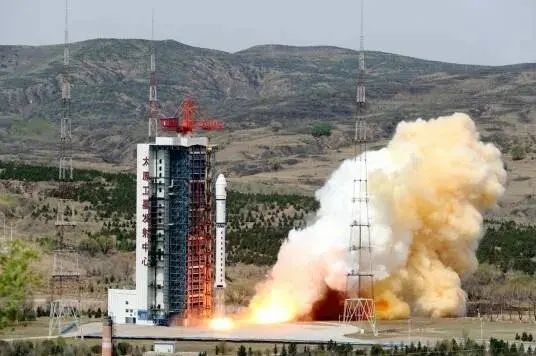
微型固体发动机

Search documents
业界对谈:中国商业航天,“小步快跑”向苍穹
Guan Cha Zhe Wang· 2026-01-28 08:00
Core Insights - The article highlights the rapid development of China's commercial aerospace sector, marking a significant shift from theoretical aspirations to practical achievements in space exploration and satellite technology [1][3]. Group 1: Industry Development - The launch of the "Jilin-1" satellite constellation ten years ago initiated the growth of China's commercial remote sensing satellite industry, which now boasts 144 operational satellites, making it the largest sub-meter commercial remote sensing satellite constellation globally [1]. - The industry is experiencing a vibrant phase, with various companies emerging and contributing to the growth of commercial space endeavors [3][12]. Group 2: Challenges and Growth - Early challenges faced by companies included high employee turnover and funding issues, with significant losses due to management and technical failures [5][9]. - Despite initial setbacks, companies like Changguang Satellite have successfully navigated through difficulties, achieving significant milestones such as the successful launch of high-resolution satellites and substantial funding rounds [10][36]. Group 3: Future Prospects - The current environment is seen as a favorable window for commercial aerospace development, with increasing recognition from both policy and capital markets [12][14]. - Companies are optimistic about the future, with expectations of deploying low-orbit satellite internet services and enhancing satellite communication capabilities to meet growing market demands [40][41]. Group 4: Support and Collaboration - The need for supportive policies and collaboration between private companies and state institutions is emphasized, particularly in areas like funding, resource sharing, and regulatory processes [39][44]. - Companies express a desire for more patience from investors and a more streamlined approval process for launches, which is currently a significant hurdle for startups in the aerospace sector [39][45]. Group 5: Technological Advancements - The focus on developing laser communication terminals and other advanced technologies is highlighted as a key area for growth, with companies like Blue Star Guangyu leading in this niche [15][26]. - The article discusses the importance of iterative development and rapid prototyping in achieving technological advancements, particularly in the context of rocket and satellite development [28][31]. Group 6: Market Opportunities - There is a significant untapped market for commercial aerospace applications, particularly in consumer-facing services, which could drive future growth [40][44]. - The potential for satellite communication to provide services in remote areas and during emergencies is noted as a critical area for expansion [41][42].