激光通信终端

Search documents
十五五重要会议,如何提前部署?
摩尔投研精选· 2026-02-26 10:39
Group 1: A-Share Market Trends Around Two Sessions - A-shares tend to perform well in the two weeks leading up to the Two Sessions, with historical data showing an average return of over 3% for the CSI 1000 and CSI 500 indices during this period [1][3] - The market exhibits a calendar effect, favoring small-cap stocks before and after the Two Sessions, driven by expectations of stable growth policies and industrial policies [3][5] - After the conclusion of the Two Sessions, cyclical sectors are expected to have a higher probability of rising, with large-cap value and growth stocks showing phase advantages in the two weeks following the meeting [5][6] Group 2: Laser Communication and Commercial Aerospace - The construction of low-orbit satellite internet is accelerating, with SpaceX's Starlink constellation successfully deploying inter-satellite laser links, marking a shift from single signal transmission to complex dynamic networking in commercial aerospace [7] - Laser communication is becoming an essential foundation for low-orbit constellations, offering significantly higher communication capacity compared to traditional microwave technology, which is crucial for the rapidly growing satellite internet market [7][8] - China has ambitious plans for satellite constellations, totaling approximately 38,000 satellites, and the domestic laser communication industry is poised for breakthroughs, with costs for laser communication terminals significantly reduced from over ten million to around one million [8]


二级市场疯狂后的商业航天:去伪留真,回归核心
材料汇· 2026-02-09 16:01
Core Viewpoint - The commercial aerospace industry is transitioning from hype to a focus on genuine technological advancements and real market demands, emphasizing the importance of sustainable business models and industry collaboration [4]. Domestic Rocket Industry Chain - The rise of the domestic rocket industry is driven by three resonating logics: macro strategy, objective gaps, and micro implementation, focusing on "capacity breakthroughs, production expansion, and self-control" [7]. - Macro logic highlights that rocket capacity is a strategic high ground for major powers, essential for national interests and security [8]. - The objective gap indicates that despite rapid development, China still lags behind SpaceX in launch frequency and capacity, necessitating a focus on increasing rocket production and capabilities [10][12]. - Micro logic shows that the IPO wave among commercial rocket companies is creating a virtuous cycle of financing, production expansion, and performance realization, leading to a Davis double hit in the industry [13][14]. SpaceX/Tesla Industry Chain - SpaceX and Tesla have formed a closed-loop ecosystem that integrates space launch, satellite networking, space energy, and ground applications, focusing on technological synergy and value creation [18]. - The core logic of this closed-loop is based on "technological synergy, complementary scenarios, and value linkage," which creates a competitive advantage [19]. - Recent events, such as Starcloud's satellite constellation proposal, illustrate the challenges faced by companies lacking the necessary technological and financial backing, reinforcing the industry's shift towards genuine value creation [24][25]. Satellite Industry Chain Under Technological Transformation - The satellite industry is experiencing a technological transformation focused on cost reduction, efficiency improvement, and performance enhancement, moving from "0 to 1" breakthroughs to "1 to N" rapid development [28][29]. - Key technological advancements include flexible solar wings, flexible gallium arsenide batteries, and laser communication, which significantly enhance satellite capabilities and reduce costs [30][31][33][34][35]. - New suppliers are emerging in the satellite industry, breaking the monopoly of traditional military enterprises and emphasizing the importance of technological strength and product quality [32]. Extended Layout - Investment in commercial aerospace should focus on the commercial essence, emphasizing strategic layouts that serve future commercial value [37]. - The core value of satellite internet is in its potential for downstream commercialization, transforming strategic positioning into revenue generation [39][40]. - Investment in space resource development is seen as a long-term strategy with significant commercial potential, particularly in areas like lunar helium-3 and asteroid mining [42][43]. - The commercialization of aerospace core components and materials is positioned as a dual-track strategy, providing short-term profitability and long-term growth opportunities [44][45]. - Space service commercialization focuses on high-end services that meet real user demands, moving away from speculative concepts [47][48][49]. Conclusion - The commercial aerospace industry's shift towards genuine value creation is crucial for long-term, healthy development, emphasizing the need for technological breakthroughs, real demand, and collaborative industry efforts [51].

星间激光通信专家交流
2026-02-02 02:22
Summary of Key Points from the Conference Call Industry Overview - The conference call focuses on the low Earth orbit (LEO) satellite internet industry, specifically the advancements in inter-satellite laser communication technology, which is becoming a critical component for high-bandwidth and efficient satellite internet services [1][2][3]. Core Insights and Arguments - **Technological Advancements**: Laser communication offers significant advantages over microwave communication, including better confidentiality and resistance to electromagnetic interference. This technology is crucial for enhancing communication efficiency in complex satellite constellations [4][9]. - **Market Growth**: The global satellite laser communication market is projected to grow rapidly, with optimistic forecasts indicating substantial demand for laser terminals, especially with initiatives like Musk's plan for a million satellites [5][18]. - **Performance Metrics**: Musk's company has reported that each laser terminal can achieve speeds of up to 200 Gbps, with daily data transmission exceeding 42 PB. The V2 mini version has increased bandwidth to 200 Gbps, while the upcoming V3 version aims for 400 Gbps [1][7][4]. - **Domestic Developments**: In China, significant progress has been made in satellite laser communication, with institutions achieving downlink speeds of 120 Gbps and inter-satellite speeds of 200 Gbps. This indicates a strengthening domestic industry capable of competing on a global scale [5][8]. Additional Important Content - **Inter-Satellite Links**: The necessity of inter-satellite laser links is underscored by their ability to enhance data transmission rates and reduce latency compared to traditional ground station-dependent models. This technology is essential for building a more stable and reliable communication network [9][10]. - **Technical Challenges**: Achieving higher bandwidths (200 Gbps, 400 Gbps, and beyond) requires overcoming several technical challenges, including specialized collaboration for key technology breakthroughs and optimizing system integration [14][15]. - **Competitive Landscape**: The entry of other players like Blue Origin into the satellite laser communication market is intensifying competition, which may drive further innovation and improvements in the industry [7][1]. - **Future Directions**: The future of laser communication is expected to focus on high-capacity transmission and efficient spectrum utilization, with ongoing advancements in technology likely to enhance its role in satellite networks [14][3]. This summary encapsulates the critical points discussed in the conference call, highlighting the advancements, market potential, and competitive dynamics within the satellite laser communication industry.
业界对谈:中国商业航天,“小步快跑”向苍穹
Guan Cha Zhe Wang· 2026-01-28 08:00
Core Insights - The article highlights the rapid development of China's commercial aerospace sector, marking a significant shift from theoretical aspirations to practical achievements in space exploration and satellite technology [1][3]. Group 1: Industry Development - The launch of the "Jilin-1" satellite constellation ten years ago initiated the growth of China's commercial remote sensing satellite industry, which now boasts 144 operational satellites, making it the largest sub-meter commercial remote sensing satellite constellation globally [1]. - The industry is experiencing a vibrant phase, with various companies emerging and contributing to the growth of commercial space endeavors [3][12]. Group 2: Challenges and Growth - Early challenges faced by companies included high employee turnover and funding issues, with significant losses due to management and technical failures [5][9]. - Despite initial setbacks, companies like Changguang Satellite have successfully navigated through difficulties, achieving significant milestones such as the successful launch of high-resolution satellites and substantial funding rounds [10][36]. Group 3: Future Prospects - The current environment is seen as a favorable window for commercial aerospace development, with increasing recognition from both policy and capital markets [12][14]. - Companies are optimistic about the future, with expectations of deploying low-orbit satellite internet services and enhancing satellite communication capabilities to meet growing market demands [40][41]. Group 4: Support and Collaboration - The need for supportive policies and collaboration between private companies and state institutions is emphasized, particularly in areas like funding, resource sharing, and regulatory processes [39][44]. - Companies express a desire for more patience from investors and a more streamlined approval process for launches, which is currently a significant hurdle for startups in the aerospace sector [39][45]. Group 5: Technological Advancements - The focus on developing laser communication terminals and other advanced technologies is highlighted as a key area for growth, with companies like Blue Star Guangyu leading in this niche [15][26]. - The article discusses the importance of iterative development and rapid prototyping in achieving technological advancements, particularly in the context of rocket and satellite development [28][31]. Group 6: Market Opportunities - There is a significant untapped market for commercial aerospace applications, particularly in consumer-facing services, which could drive future growth [40][44]. - The potential for satellite communication to provide services in remote areas and during emergencies is noted as a critical area for expansion [41][42].
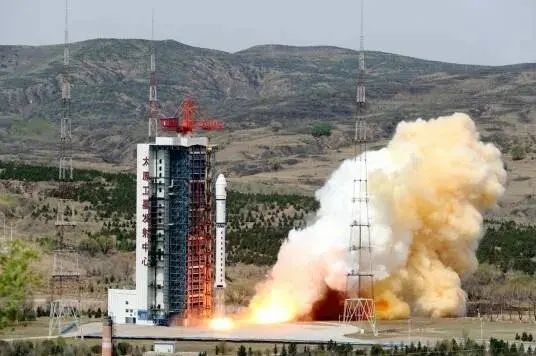
周末重点速递 | 券商:可回收火箭从0到1迈入黄金发展阶段;空天资源紧缺 商业航天业务有望爆发
Mei Ri Jing Ji Xin Wen· 2026-01-18 15:20
Group 1: Policy Changes and Economic Outlook - The People's Bank of China and the National Financial Regulatory Administration announced a minimum down payment ratio of 30% for commercial property loans, allowing local authorities to set lower limits based on city-specific conditions [1] - In 2026, China's fiscal and monetary policies are expected to remain similar to those of 2025, with a projected economic growth rate of around 4.5% and export growth stabilizing at approximately 4% [2][3] - The anticipated easing of monetary policy may include a 20 basis point interest rate cut and a reserve requirement ratio reduction of 25 to 50 basis points [2] Group 2: Commercial Aerospace Sector - The commercial aerospace sector is expected to experience significant growth driven by policy support, international regulations, and the urgent need for satellite launches, with a projected gap of about 2,500 satellites in the next five years [5] - SpaceX's model of reusability and cost reduction is seen as a benchmark for China's commercial aerospace industry, with domestic companies like Blue Arrow and Star River accelerating their development of reusable rocket technologies [6][7] - Key investment opportunities include satellite production and rocket manufacturing, with recommendations for companies involved in phased production and cost reduction technologies [6][7] Group 3: AI and Healthcare Industry - The "AI + Healthcare" sector is poised for transformation, supported by government policies aimed at promoting AI applications in high-end medical equipment and telemedicine [8] - The global market for AI healthcare solutions is projected to grow from $13.7 billion in 2022 to $155.3 billion by 2030, with a compound annual growth rate (CAGR) of 35.5% [9] - Companies in AI-driven pharmaceuticals, imaging, diagnostics, and healthcare services are expected to benefit significantly, with specific recommendations for firms like Crystal Tech Holdings and iFlytek Medical Technology [10]
低轨道通信算力卫星进展
2026-01-08 02:07
Summary of Key Points from the Conference Call Industry Overview - The conference call discusses advancements in low Earth orbit (LEO) satellite communication, specifically focusing on the Starlink V3 satellite system and its implications for the satellite internet industry in China. Core Insights and Arguments - **Starlink V3 Satellite Upgrades**: The V3 version features significant upgrades, including an increase in solar panel area from over 200 square meters in V2 to between 300 and 500 square meters, aimed at enhancing spectral utilization and photoelectric conversion efficiency [1][2][4] - **Data Throughput**: The inter-satellite laser communication rate has been upgraded to 400 Gbps, doubling the capacity from the V2 mini version, which was at 200 Gbps [1][2] - **Computational Power**: The V3 version will incorporate a more powerful computing system to support additional computational loads, potentially reducing customer service costs and enabling full rocket recovery [1][3][2] - **Satellite Deployment Plans**: The first generation of the Starlink system is expected to be completed by 2026, with a total of 180,168 satellites planned for launch, primarily to support broadband wireless internet services for national and key monitoring areas [1][6] - **Commercialization Prospects**: The first generation will not initially target commercial use, while the second generation may achieve commercial application, including B2C services [6] Additional Important Content - **Laser Communication Terminals**: Each satellite in the new system will be equipped with four or more laser communication terminals, with individual terminal costs ranging from 1 to 1.5 million yuan, where optical-mechanical antennas account for about 70% of the total cost [1][6][7] - **Domestic Production and R&D**: Major Chinese companies like Huawei and ZTE are involved in the deep R&D of laser communication technology, aiming to enhance capabilities from 10G to 100G to match or exceed the performance of competing systems [1][8] - **Market Competition**: The domestic laser communication terminal market is characterized by a complex and diversified competitive landscape, with both large enterprises and startups actively participating [1][11] - **Challenges in Supply Chain**: The supply of core components for laser terminals is heavily reliant on foreign products, but domestic alternatives are expected to increase significantly in the next two to three years due to high costs and long supply cycles of foreign products [1][15] - **Space Computing Projects**: The development of space computing projects is still in its early stages, with various types of space data centers being explored, including distributed computing centers and integrated space data centers [1][12][13] This summary encapsulates the key points discussed in the conference call, highlighting advancements in satellite technology, market dynamics, and future prospects in the low Earth orbit satellite communication industry.
太空算力产业链拆解
2025-12-17 02:27
Summary of Key Points from Conference Call Records Industry Overview - The space computing industry is emerging as a solution to the high energy consumption and heat dissipation challenges faced by ground data centers. The space environment offers continuous solar energy and low-temperature conditions, making space-based computing an attractive alternative [2][1]. Core Insights and Arguments - **Zhejiang Laboratory's Tri-body Computing Constellation Plan**: This initiative plans to launch 2,800 satellites with a total computing power of 1,000 POPS, currently in the demonstration verification phase [1][3]. - **Beijing Tianji Computing Constellation Plan**: Supported by the Beijing Municipal Science and Technology Commission, this plan aims to build a large-scale space data center in three phases, with the first phase targeting a computing capacity of 1,000 POPS and a total power of 200 kilowatts [1][4]. - **Technological Dependencies**: Space computing projects rely on flexible solar wings for energy, loop heat pipe systems for heat dissipation, and laser communication terminals for high-speed data exchange, benefiting related suppliers [1][5]. Key Technologies and Suppliers - **Energy Systems**: The need for high-power energy supply necessitates the use of flexible solar wings and flexible battery sheets, as traditional rigid solar wings are too heavy and space-consuming [6][5]. - **Cooling Systems**: Loop heat pipe systems are required to efficiently dissipate heat generated by high-power space computing, utilizing fluids like ammonia or nitrogen [6][5]. - **Communication Systems**: Laser communication terminals will be employed to enhance data exchange rates, as traditional microwave links do not meet the high-speed requirements [6][5]. Special Requirements for Tianji Constellation - The Tianji constellation will utilize a docking method similar to that of China's space station, requiring specific demands for docking mechanisms and propulsion systems to ensure precise control and maneuverability [7][5]. In-Orbit Management and Control - As the scale of space computing constellations increases, the demand for in-orbit management and control also rises. Commercial measurement and control companies like Aerospace Yuxing and Zhongke Tianta are expected to gain market opportunities [8][5]. Energy Management Challenges - The space computing constellation has high requirements for energy management, including stable high-power energy supply and effective thermal control systems to balance light and heat conditions [9][5]. Scalability through Satellite Docking - The constellation aims to achieve scalability through satellite docking, which involves technical challenges related to long-distance orbital maneuvers and precise docking operations [10][5].
上海银行30周年:从三个故事感受一家银行的“点滴用心,相伴成长”
Sou Hu Cai Jing· 2025-12-08 14:37
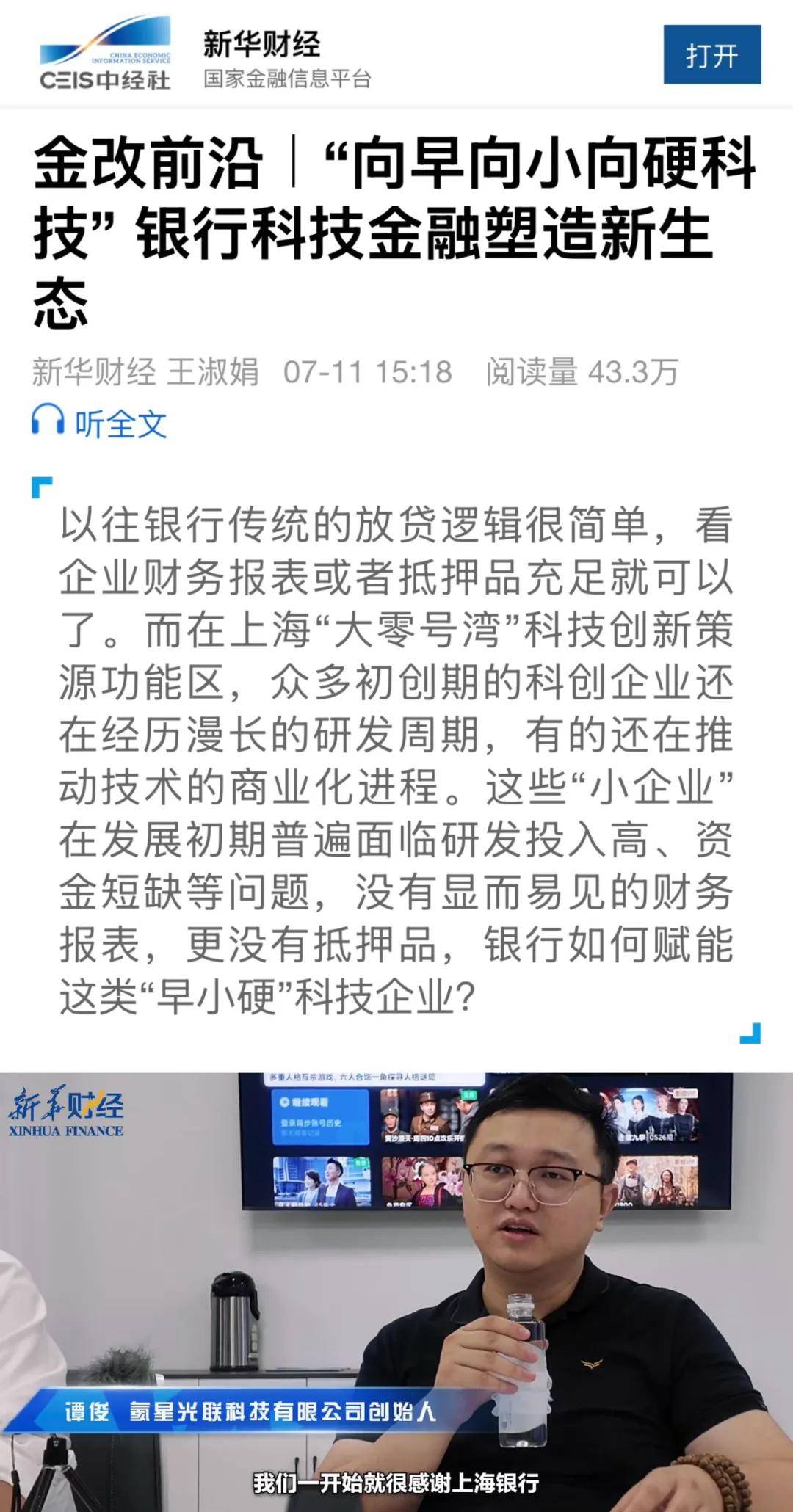
Core Insights - Shanghai Bank has evolved over 30 years, from its origins in local credit cooperatives to a significant player in the financial sector, emphasizing its mission of making life better through finance [1] - The bank has focused on supporting small and micro enterprises, contributing to local economic development, and fostering a sense of community [1] Group 1: Technological Financial Services - Shanghai Bank's Minhang branch identified a promising startup, Qionglong Technology, and provided crucial support through a credit loan of 8 million yuan, marking the first bank credit for the company [8][10] - The bank utilized a "technology flow" assessment model to evaluate the startup's potential, despite its lack of revenue and collateral [8][10] - Over four years, the bank increased its support to Qionglong Technology, raising the credit limit to 50 million yuan and expanding services to include cross-border settlements and funds supervision [10][12] Group 2: Cross-Border Financial Services - Shanghai Bank has developed a comprehensive cross-border financial service ecosystem, including cross-border investment and financing, and digital payment solutions [29] - The bank's cross-border payment capabilities have evolved significantly, with transaction volumes increasing from over 10 billion USD in 2005 to more than 160 billion USD by 2025 [29] - The introduction of digital RMB in cross-border payments marks a significant advancement in the bank's service offerings, enhancing transaction speed and efficiency [29] Group 3: Pension Financial Services - Shanghai Bank pioneered the socialization of pension distribution in China, becoming one of the first banks to offer this service in 1998 [30][33] - The bank has developed a comprehensive pension financial service model, evolving from basic pension distribution to include wealth management and intelligent services [46] - Currently, Shanghai Bank serves approximately 6 million elderly clients, maintaining a leading market share in pension services in Shanghai [46]

太空经济新基建提速,商业航天如何破解产能与成本之困?
2 1 Shi Ji Jing Ji Bao Dao· 2025-12-01 12:27
Core Viewpoint - The space economy is emerging as a new frontier for global competition, with significant opportunities and challenges in satellite internet and remote sensing infrastructure development [1] Group 1: Industry Gaps and Opportunities - There is a significant gap between China and the US in the launch vehicle sector, with US rocket carrying capacity being approximately ten times that of China, and commercial launches accounting for over 80% in the US compared to single-digit percentages in China [2] - The large gap presents a vast space for catching up, with predictions that within three years, the launch costs in China could approach those of SpaceX, and within five years, potentially be lower than SpaceX's Falcon 9 [2] - In the laser communication terminal field, the US has over 10,000 in-orbit terminals with commercial applications, while China's industry is in a critical breakthrough phase from technology verification to mass production [2] Group 2: Cost Reduction Strategies - Reducing costs is seen as crucial for the development of the space economy, with companies aiming to halve rocket costs within three years and lower per-kilogram launch prices below foreign counterparts within five years [4] - Companies are focusing on design optimization, supply chain collaboration, and reusable technologies to achieve cost reductions [4] - The integration of modular production and batch assembly is expected to be a significant direction for long-term cost reduction in laser communication terminal manufacturing [4] Group 3: Need for Patient Capital - The valuation of leading commercial rocket companies has reached between 15 billion to 20 billion yuan, highlighting the need for better access to secondary market financing to share in the growth of the commercial space sector [6] - Long-term capital support is essential for the growth of commercial space enterprises, which require three to five years or more for technology development and capacity realization [6] - A more inclusive and encouraging policy environment is needed to allow commercial space companies to participate in large national projects, creating strong market incentives [6]
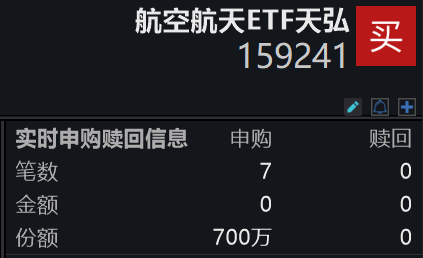
“航天+”赋能多领域!航空航天ETF天弘(159241)底部基本探明,盘中实时净申购已达700万份
Sou Hu Cai Jing· 2025-11-20 06:07
Core Viewpoint - The aerospace ETF Tianhong (159241) is experiencing active trading with a significant net subscription of 7 million shares, indicating strong market interest in the aerospace sector [1][2]. Group 1: Market Performance - As of November 20, 2025, the aerospace ETF Tianhong (159241) had a turnover rate of 12.25% and a trading volume of 63.468 million yuan, reflecting active market participation [1]. - The tracked index, the National Aerospace Industry Index (CN5082), saw a decline of 1.11%, while constituent stocks showed mixed performance, with Huazhong Technology (300045) leading with a gain of 3.04% [1]. Group 2: Product Highlights - The aerospace ETF Tianhong (159241) offers exposure to aerospace equipment, domestic large aircraft, low-altitude economy, and military information technology stocks, with 99% of its underlying index belonging to the defense and military industry, indicating a higher purity and investment value compared to other military-related indices [3]. Group 3: Industry Events - The 27th China International High-tech Achievements Fair highlighted the aerospace industry, showcasing innovations such as flexible solar wings and laser communication terminals from China Aerospace Science and Technology Corporation, emphasizing the role of aerospace technology in industrial development [3]. - The Ministry of Natural Resources announced the implementation of the "Satellite Navigation Positioning Reference Station Management Measures" starting January 1, 2026, aimed at regulating the construction and operation of satellite navigation stations, with the number of stations increasing from 3,363 to 6,951 [4]. Group 4: Institutional Insights - According to Guoxin Securities, the defense and military industry maintained stable revenue growth in the first three quarters of 2025, with a slight decline in net profit. State-owned military enterprises dominate the industry in terms of asset scale, revenue, and R&D expenses, indicating strong industry control [5]. - The revenue of military state-owned enterprises is closely linked to national defense spending, which is expected to grow steadily, suggesting that the revenue and profitability of these enterprises will also continue to improve [5].