
微晶球

Search documents
准格尔旗煤炭“变形记”:矿山长出绿色经济,煤废实现价值裂变
Xin Lang Cai Jing· 2025-12-30 00:26
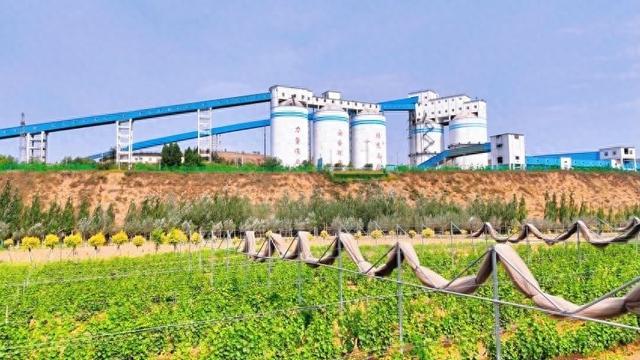
Core Viewpoint - The coal industry in the coal-producing county of Zhugeerqi is undergoing a comprehensive transformation, focusing on sustainable development and value creation through intelligent and green practices [1][3][15]. Group 1: Industry Transformation - Zhugeerqi, with a population of less than 400,000, plays a crucial role in supplying energy to 25 provinces and regions in China, with coal stability being a key pillar of its development [3]. - The region is implementing intelligent upgrades in coal mining, with robots monitoring underground conditions and enhancing safety and efficiency [4][6]. - The Inner Mongolia Energy Group's new power plant aims to achieve a breakthrough in energy efficiency, consuming only 274 grams of coal to generate one kilowatt-hour of electricity, which is about 10% less than the national average [17][18]. Group 2: Smart Mining Practices - The Dafenpu coal mine has undergone significant intelligent transformation since 2022, achieving an 80% level of overall intelligence in operations, which enhances both safety and production efficiency [8][9]. - The implementation of smart systems allows for remote monitoring and control of mining operations, reducing the need for on-site personnel and improving operational efficiency [6][8]. Group 3: Waste Utilization and Value Creation - Companies like Yuhua New Technology Materials are transforming industrial waste, such as fly ash, into high-value products like grinding balls, significantly increasing their market value from under 100 yuan per ton to between 6,500 and 8,500 yuan [11][13]. - The region is addressing the challenge of coal waste management by developing new materials and products from coal by-products, contributing to a circular economy [14][19]. Group 4: Green Mining Initiatives - The Dafenpu coal mine has been recognized as a national-level green mine, focusing on ecological restoration and sustainable agricultural practices alongside coal production [19][22]. - The establishment of the Inner Mongolia Liangyun Agricultural Development Company reflects the commitment to sustainable practices, with initiatives to plant economic trees and create a modern ecological agricultural landscape [19][23]. - Zhugeerqi is positioning itself as a model for resource-based cities to achieve green, efficient, and sustainable development, with multiple green mines contributing to the local ecosystem [22][23].

内蒙古资源利用效率持续优化
Jing Ji Ri Bao· 2025-05-26 22:15
Core Viewpoint - Inner Mongolia Autonomous Region is implementing a comprehensive conservation strategy to promote resource-saving and circular economy development, with an emphasis on optimizing resource utilization efficiency and establishing a waste recycling system [1]. Group 1: Waste Utilization and Circular Economy Initiatives - Inner Mongolia Xinlianxin Biotechnology Co., Ltd. processes corn cobs into main product furfural, used in resin manufacturing and food additives, achieving zero waste emissions and reducing CO2 emissions by 180,000 tons annually [2][3]. - The Baotou-based project utilizes aerospace pyrolysis technology to treat agricultural waste and urban garbage, achieving a resource recovery rate of over 85% and reducing CO2 emissions by more than 50,000 tons annually [3]. - The region has a straw collection capacity of approximately 43.63 million tons, with a utilization rate of 91.8%, surpassing the national average, contributing to alleviating feed shortages [4]. Group 2: Industrial Waste Recycling - Inner Mongolia Yuhua New Technology Materials Co., Ltd. transforms industrial waste like fly ash and coal gangue into valuable products, with an annual output of about 15,000 tons and an expected revenue exceeding 50 million yuan [5]. - The company is collaborating with experts to develop technology for recycling waste ceramics, currently in the pilot testing phase [6]. - The Inner Mongolia Jinghui New Materials Co., Ltd. project aims to process 130,000 tons of silicon-containing waste annually, achieving a resource utilization rate of 90% [6]. Group 3: Policy and System Improvements - Inner Mongolia has established a comprehensive policy framework, including the "14th Five-Year" energy-saving plan, to ensure energy consumption intensity meets standards and promote green transformation in high-energy-consuming industries [7]. - The region has approved 36 park circular transformation projects, significantly enhancing resource utilization efficiency, with comprehensive utilization rates for agricultural waste reaching 91.8% and 82.5% for livestock manure [7]. - The agricultural sector aims to maintain a straw utilization rate of over 90% and promote the recycling of agricultural films, targeting an 85% recovery rate in key areas [8].