绿色经济

Search documents
中金 • 全球研究 | 中资出海东南亚二十载:从走出去,到融进去
中金点睛· 2026-03-06 00:00
Core Viewpoint - The report outlines the evolution of Chinese investment in Southeast Asia over the past two decades, transitioning from a focus on commodity trade to a comprehensive integration of investment, localized operations, and deep capital market connections, driven by the China-ASEAN Free Trade Agreement (CAFTA) and the dual engines of industrial and financial capital [2][8]. Trade Dimension - The evolution of the China-ASEAN Free Trade Agreement (CAFTA) is central to the deepening economic relationship, with three phases: 1. From 2002 to 2015, achieving 90% zero tariffs on goods trade, leading to significant trade volume growth from $54.8 billion in 2002 to $467.1 billion in 2015 [12][13]. 2. From 2015 to 2022, focusing on service trade liberalization and regulatory alignment, facilitating industrial chain investments [13]. 3. From 2022 to 2025, negotiating rules for digital and green economies, marking a shift from "goods flow" to "institutional and innovative collaboration" [2][14]. Industrial Investment Dimension - In 2024, China's total outward direct investment (ODI) reached $192.2 billion, with a net outflow of approximately $76 billion, indicating a historic shift from being a capital-importing to a capital-exporting country [3][19]. - ASEAN emerged as the largest single region for Chinese ODI, totaling $34.4 billion, accounting for about 37% of China's global ODI [3][22]. Corporate Layout Dimension - By 2024, overseas revenue of A-share listed companies exceeded 11 trillion yuan, representing over 15% of total revenue, with a compound annual growth rate (CAGR) of 14% from 2014 to 2024, significantly outpacing domestic revenue growth of 8% [5][34]. - Key industries contributing to overseas revenue include information technology, consumer discretionary, and industrial sectors, which together account for over 90% of total overseas revenue [5][35]. Capital Linkage Dimension - By the end of 2025, the total scale of QDII funds is expected to approach 1 trillion yuan (over $170 billion), with a significant concentration of market share among the top fund managers [6][49]. - QDII funds have increasingly focused on Hong Kong and U.S. markets, with emerging markets and Southeast Asia seeing continuous product innovation [6][55].


“4.5%—5%”,从积极务实里看见更多发展空间
券商中国· 2026-03-05 06:04
Core Viewpoint - The government work report sets the economic growth target for 2026 at 4.5% to 5%, reflecting a pragmatic approach to economic development while aiming for higher quality growth [1][2]. Group 1: Economic Growth Target - The growth target of 4.5% to 5% is designed to balance immediate needs with long-term goals, supporting a vision of doubling GDP or per capita income by 2035, requiring an average annual GDP growth rate of 4.17% during the 14th and 15th Five-Year Plans [2]. - The target acknowledges the natural "convergence" of growth rates as the economy scales, while also considering a "front high, back stable" economic rhythm [2]. Group 2: Policy Measures - Fiscal policy is set to be more proactive, with public budget expenditures expected to reach 30 trillion yuan, an increase of approximately 1.27 trillion yuan from the previous year, focusing on optimizing structure and supporting key areas like consumption and investment [2]. - Monetary policy will maintain a moderately loose stance, utilizing tools like reserve requirement ratio cuts and interest rate reductions to promote stable economic growth and reasonable price recovery [2]. Group 3: Long-term Development Focus - Setting a pragmatic growth target allows for more focus on foundational and long-term projects, emphasizing the development of new productive forces as a core strategy for optimizing economic structure and fostering new growth drivers [3]. - The approach aims to guide local governments in concentrating resources on nurturing and expanding new economic drivers, such as artificial intelligence and green economy initiatives [3]. Group 4: Societal Implications - A scientifically grounded growth target serves as a stabilizing force, signaling a commitment to development that prioritizes structural optimization and quality enhancement, ultimately aiming to meet the public's aspirations for a better life [4].

“4.5%—5%”,从积极务实里看见更多发展空间
证券时报· 2026-03-05 04:25
Group 1 - The core viewpoint of the article emphasizes the pragmatic setting of the economic growth target for 2026 at 4.5%—5%, reflecting a balance between immediate realities and long-term aspirations [1][2] - The government aims to achieve a GDP annual growth rate of 4.17% during the "14th Five-Year Plan" and "15th Five-Year Plan" periods to meet the long-term goal of doubling the economic total or per capita income by 2035 [2] - The article highlights that the pragmatic growth target does not imply a reduction in the strength of macroeconomic policies, which remain robust and focused on efficiency [2][3] Group 2 - The article discusses the importance of setting a realistic growth target to allow for more foundational and long-term initiatives, particularly during a critical transition to high-quality development [3] - It notes the rise of new growth points such as artificial intelligence, the silver economy, and green economy, which are essential for optimizing economic structure and fostering new growth momentum [3] - The pragmatic growth target serves as a guiding principle for society, signaling a commitment to development that prioritizes structural optimization and quality improvement [3]

从化区委书记喊话企业家:“想在一起、站在一起、干在一起”
Xin Lang Cai Jing· 2026-02-27 23:35
Core Viewpoint - The article highlights the strategic development plans of Conghua District, emphasizing the commitment of local government to collaborate with entrepreneurs for high-quality economic growth in the region [1]. Group 1: Development Strategies - Conghua District has outlined two major development blueprints: "Strengthening the South" focusing on comprehensive development and construction in the Taiping area, and "Full Throttle" targeting industrial growth through strategic projects [1]. - The "Strengthening the South" blueprint aims to expedite land projects and improve environmental quality through spatial expansion, industrial attraction, and functional support [1]. - The "Full Throttle" blueprint seeks to leverage the upcoming international standard speed horse racing event in October to attract high-end projects, including hotels, theme parks, and cultural districts, tapping into the potential of the Guangdong-Hong Kong-Macao Greater Bay Area's high-end consumer market [1]. Group 2: Investment Goals - The Guangzhou municipal government has designated 2026 as the year for investment attraction, with Conghua aiming to secure at least 15 billion-level projects and 6 ten-billion-level projects within the year [2].
(经济观察)税费政策支持中国经济向“绿”发展
Zhong Guo Xin Wen Wang· 2026-02-27 13:21
Core Viewpoint - China's recent tax policies are significantly supporting the transition towards a green economy, promoting low-carbon development across various sectors, particularly in renewable energy and environmental protection [1][2]. Group 1: Tax Policy Impact - The sales revenue of key green product manufacturing industries, including new energy vehicles, photovoltaic equipment, and lithium-ion batteries, has seen an annual growth rate of over 30% during the "14th Five-Year Plan" period [1]. - The sales revenue for green technology services, including new energy, energy-saving, and environmental protection, has increased annually by 51.1%, 28.5%, and 18.2% respectively [1]. - The ecological protection and environmental governance sectors have experienced an average annual revenue growth of 13.2%, providing essential technical support for the green transition [1]. Group 2: Regional Developments - In Guangxi, wind power development has accelerated, with a wind farm project benefiting from over 10 million yuan in tax reductions, easing financial pressures and ensuring project progress [2]. - In Jiangsu, tax authorities are leveraging green tax policies to encourage companies to invest in wastewater treatment, with one large paper company investing over 2 billion yuan in environmental protection, achieving a water recycling rate exceeding 90% [2]. - The Suzhou Industrial Park has established over 160 green manufacturing enterprises, generating nearly 90 billion yuan in output value from new energy and green industries, with energy consumption and carbon emissions intensity at about one-third of the national average [2]. Group 3: Coal Sector Initiatives - In Inner Mongolia, coal companies are being informed about green tax policies, with one company integrating mining reclamation with eco-tourism, creating a national mining park that has generated significant employment [3]. - This coal company has benefited from a total of 8.2269 million yuan in environmental tax reductions since 2018, which has supported the construction of green mines [3]. - During the "14th Five-Year Plan" period, Inner Mongolia has established 437 green mines and completed ecological restoration of 117 square kilometers of historically polluted mining areas [3]. Group 4: Expert Analysis - The robust growth of the green industry and the continuous release of transformation dividends are driving the economy towards a green low-carbon transition, as analyzed by experts [3].
加纳计划60%的林产品在当地加工
Shang Wu Bu Wang Zhan· 2026-02-24 16:15
Core Viewpoint - The Ghanaian government plans to process at least 60% of its major timber crops locally each year to promote industrialization, create jobs, and reduce reliance on raw material exports [1] Group 1: Government Initiatives - President Mahama announced the initiative during the first Ghana Timber Crop Investment Summit, emphasizing a shift from primary production to value-added production [1] - The initiative is part of a revised $200 million timber crop diversification project aimed at transforming the agricultural sector [1] - The government plans to expand agricultural industrial parks, encourage private sector processing, and strengthen regulation through the Timber Crop Development Authority [1] Group 2: Economic Goals - The summit's theme was "Achieving Sustainable Growth through Timber Crop Investment: Reshaping and Building Ghana's Green Economy," focusing on making Ghana a regional center for timber crop processing and export [1] - The initiative aims to open international markets and promote inclusive growth and industrial transformation [1]
蚕菇共生”玉满堂——探访辽东绿色经济发展的“岫岩样本
Zhong Guo Fa Zhan Wang· 2026-02-24 09:16
Core Insights - The article highlights the unique "cocoon-mushroom symbiosis" model in Xiuyan County, which leverages ecological resources for sustainable economic development, combining the cultivation of wild silkworms and high-quality mushrooms [1][8] Group 1: Cocoon Industry - Xiuyan's wild silkworm industry is characterized by its natural farming methods, avoiding pesticides to maintain ecological balance, which enhances the purity of the products [2][3] - The annual production scale of Xiuyan's wild silkworms has reached 6,500 tons, reflecting the success of its ecological planting practices [3] - Over 20,000 households and more than 60,000 people are engaged in the wild silkworm industry, with a significant portion relying on it for income [3][4] Group 2: Mushroom Cultivation - The discarded branches from the silkworm's food source, the oak trees, are repurposed as high-quality substrate for mushroom cultivation, showcasing a circular agricultural model [5][6] - The cost of producing mushroom cultivation substrates has decreased due to the availability of oak wood chips, leading to increased profitability for local farmers [6][7] - The mushrooms produced are marketed as high-quality, organic products, benefiting from the ecological farming practices [7][8] Group 3: Government Support and Technological Integration - The local government has implemented efficient policies to support the mushroom industry, ensuring timely availability of raw materials for production [7] - Xiuyan County has established strategic partnerships with agricultural research institutions to enhance the quality and yield of both silkworm and mushroom products [8][9] - The integration of laboratory research into practical farming has led to significant improvements in both the quantity and quality of agricultural outputs [9] Group 4: Economic and Ecological Impact - The "cocoon-mushroom symbiosis" model exemplifies the balance of ecological, economic, and social benefits, aligning with the philosophy of "green mountains and clear waters are invaluable assets" [8][10] - Xiuyan's agricultural products, particularly the wild silkworm and mushrooms, have gained recognition as premium products, enhancing their market value [8][10] - The region is exploring the integration of agriculture with tourism, creating a comprehensive development model that includes production, processing, and experiential activities [10]
白银狂潮2.0?世界银行与白银协会罕见一致:2026年或迎来最后狂欢
Sou Hu Cai Jing· 2026-02-22 21:37
Group 1 - The core viewpoint of the article highlights the unprecedented rise in silver prices, which have recently surpassed $100 per ounce, driven by record gold prices and dual demand from industrial use and geopolitical hedging [1][3] - The World Bank predicts that silver prices will average $41 per ounce in 2026, indicating significant upside potential compared to current levels, with financial institutions supporting this optimistic outlook due to expected convergence in the gold-silver ratio [3][5] - The demand for silver is expected to rise steadily, fueled by its critical role in the "green economy," particularly in renewable energy and semiconductor manufacturing, despite potential reductions in silver usage in the solar industry [5][6] Group 2 - The silver market is projected to face a structural supply shortage for the sixth consecutive year in 2026, with a deficit of 67 million ounces anticipated, highlighting the imbalance between dwindling mining output and increasing industrial consumption [6][7] - Investment in physical silver is expected to rebound in 2026, with a projected 20% increase, reaching the highest level in three years, driven by tight supply conditions and geopolitical uncertainties [6][9] - The World Bank warns that 2026 may mark the peak of the current precious metals bull market, with silver prices potentially declining to an average of $37 per ounce in 2027, reflecting a nearly 10% drop due to high prices suppressing demand and potential shifts in monetary policy [9][11] Group 3 - The article emphasizes the critical supply-demand dynamics in the silver market, suggesting that while there may be short-term volatility, the significant supply gap of 67 million ounces serves as a strong support for prices [11] - The ongoing industrial consumption driven by sectors like photovoltaics, AI, and data centers is expected to sustain silver demand, making 2026 a pivotal year for investors in the precious metals cycle [11]
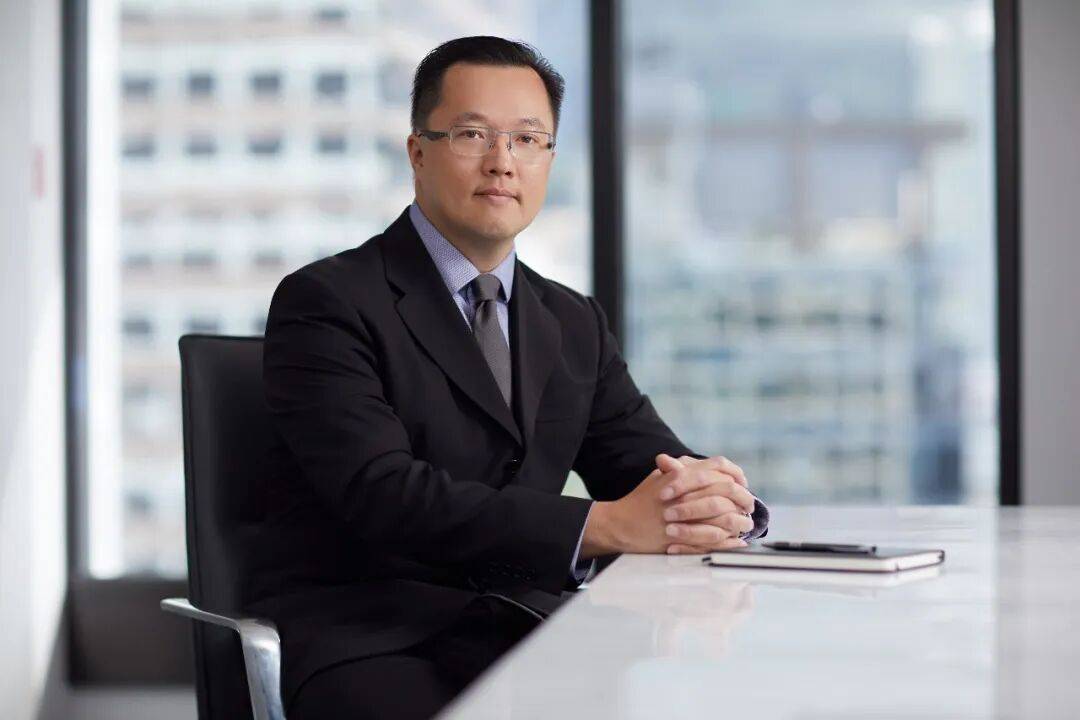
霸菱大中华区及东南亚区负责人詹政峰:深度融合全球投研经验与本土市场洞察,继续深耕中国市场
Sou Hu Cai Jing· 2026-02-19 07:21
Group 1: Company Overview - Balyasny Asset Management, a subsidiary of American General Insurance, manages over $480 billion in assets for global institutional and individual investors, focusing on risk control and sustainable cash flow returns [3] - The company emphasizes its mission to manage long-term core capital for clients while maintaining a strong commitment to the global asset management sector [3] Group 2: Market Insights - By the end of 2025, the total market capitalization of A-shares exceeded 123 trillion yuan, reflecting a significant growth in market scale and capacity [3] - The electronic industry became the largest sector in A-shares, surpassing the banking sector for the first time, driven by technological innovation and industrial upgrades [3] - Global capital markets showed resilience despite temporary disruptions from international trade tensions, with major economies experiencing a gradual decline in inflation, providing a solid foundation for capital markets [4] Group 3: Future Outlook - The company maintains a strong confidence in the long-term development prospects of the Chinese capital market, supported by the "14th Five-Year Plan" which promotes the acceleration of new productive forces [5] - Structural investment opportunities will continue to emerge in technology innovation, high-end manufacturing, and green economy sectors [5] - The ongoing deepening of capital market reforms and international openness will enhance the attractiveness of A-shares to global long-term capital [5] Group 4: Investment Strategy - In 2026, the importance of asset allocation will become increasingly prominent, with a focus on building a diversified portfolio that balances domestic and international assets [6] - The company recommends selecting high-quality targets driven by industrial upgrades in the domestic market while considering overseas bonds and related assets based on risk preferences [6] - The emphasis will be on sustainable cash flow returns to maintain stability in investment portfolios amid market fluctuations [6]
日本和芬兰对阵河南安阳,几千块的原材料被做成白菜价?
Sou Hu Cai Jing· 2026-02-17 07:24
Core Insights - The article highlights how a city in China, Anyang, has disrupted the global xylitol market by utilizing corn cobs as a raw material, significantly lowering prices and challenging traditional suppliers from Finland and Japan [1][10]. Industry Overview - Xylitol, originally commercialized by Nordic companies from birch bark, was once a luxury product with prices reaching up to 23,000 yuan per ton [3][5]. - Traditional suppliers, including Japanese firms like Mitsubishi and Matsutake, have historically controlled the market and pricing [3]. Technological Advancements - Anyang has made significant advancements in the extraction process of xylitol from corn cobs, improving efficiency and purity, which were previously hindered by outdated technology [7][14]. - Local enterprises in Anyang have collaborated with research teams to optimize the extraction process, leading to a substantial reduction in production costs [7][8]. Market Dynamics - By 2025, Anyang's production capacity is expected to exceed 100,000 tons annually, with prices dropping below 21,000 yuan per ton, reflecting a competitive advantage driven by technology rather than promotional pricing [8][10]. - The shift in xylitol sourcing has forced established companies to reconsider their supply chains, with major gum brands now exploring partnerships with Anyang producers [10][12]. Export Growth - China's xylitol exports have surged by 42% year-on-year, with increasing demand from Europe and North America, indicating a shift in global supply dynamics [12]. - The efficiency of the supply chain in Anyang allows for rapid processing and shipping, enhancing its competitive position in the global market [12][14]. Strategic Implications - The situation illustrates a broader trend in manufacturing where technological innovation and resource optimization are becoming key competitive factors, moving beyond traditional labor cost advantages [14]. - The rise of renewable raw materials like corn cobs aligns with global trends towards carbon neutrality and green transformation, potentially providing Chinese companies with additional policy benefits [14].