微软商店

Search documents
飞速扩张20多年后,Steam走向垄断了吗?
3 6 Ke· 2025-11-20 23:59
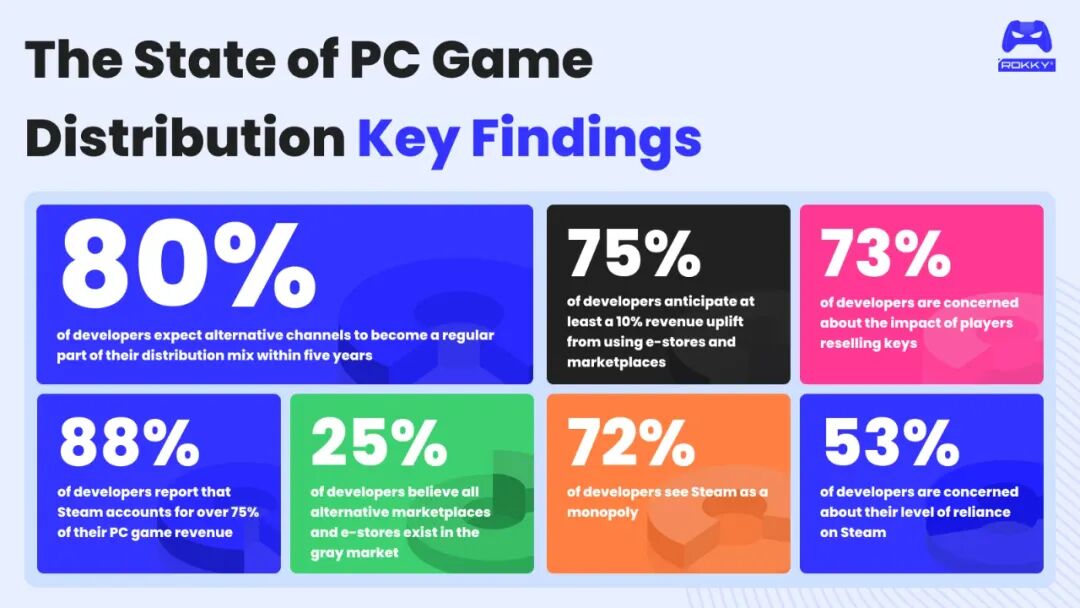
Core Insights - Steam's simultaneous online user count has doubled from 20 million in 2020 to over 40 million, with peak in-game concurrent users surpassing 12 million [1] - In 2024, Steam's game release revenue is expected to reach a historical high, with 224 games generating over $1 million in revenue [1] - However, there are growing concerns about Steam's dominance, with 72% of developers believing it holds a monopoly in the PC gaming market [2] Revenue and Dependency - Steam accounts for over 75% of total revenue for most game studios, leading to a significant dependency on the platform [2] - Many developers express concerns about over-reliance on Steam, indicating a potential risk for the industry [2] Monopoly Allegations - Steam has faced ongoing antitrust lawsuits since 2021, with developers alleging that its 30% commission structure constitutes anti-competitive behavior [4][5] - Wolfire Studios initiated a lawsuit claiming that Valve exploits its dominant position to artificially inflate game prices and impose restrictive terms [4] - The U.S. courts have allowed the case to proceed, indicating a broader potential for collective action against Valve from multiple developers [6] Commission Structure - Steam's commission structure has been criticized for being excessively high, with a standard 30% cut from game sales [10] - Valve's tiered commission model favors larger titles, further exacerbating the financial strain on smaller developers [10][12] Competitive Landscape - Despite the emergence of competitors like Epic Games Store and Microsoft Store, Steam's user base has continued to grow, indicating its strong market position [15] - Epic's attempts to lower commission rates have not significantly impacted Steam's dominance, as it still leads in user engagement and sales volume [15][19] Developer Sentiment - A significant portion of developers believe that platform commission rates should be below 10%, highlighting dissatisfaction with the current structure [13][14] - The challenges faced by competitors in replicating Steam's ecosystem demonstrate the platform's entrenched position in the market [19][22] User Experience and Ecosystem - Steam's ecosystem is not just a game store; it includes social networking, user reviews, and a robust community, making it difficult for competitors to attract users [19][21] - The platform's focus on user experience and continuous improvements has solidified its position, despite criticisms regarding its commission policies [24]