德拉马尼

Search documents
张文宏:像结核病这样的法定传染病,不能让病人因费用而放弃治疗
第一财经· 2026-03-07 08:37
Core Viewpoint - The article highlights the urgent need for improved management and treatment of drug-resistant tuberculosis (DR-TB) in China, emphasizing the high costs and significant patient burden associated with treatment, as well as the necessity for enhanced healthcare policies and collaboration among medical, insurance, and pharmaceutical sectors [3][4][5]. Group 1: Current Situation of Drug-Resistant Tuberculosis - Approximately 28,000 new patients are diagnosed annually with drug-resistant tuberculosis in China, with treatment costs ranging from 160,000 to 200,000 yuan, leading to a patient out-of-pocket expense of nearly 100,000 yuan after insurance reimbursement [3][4]. - China is projected to enter the category of countries with low tuberculosis prevalence by 2024, yet it still accounts for 7.1% of the global new cases of multi-drug resistant tuberculosis [3][4]. Group 2: Challenges in Treatment - The treatment regimen for drug-resistant tuberculosis is lengthy, lasting 18 to 24 months, and often has a low success rate of 50% to 75%, exacerbated by high costs and complex medication protocols [5][6]. - The high prevalence of drug-resistant tuberculosis is particularly concerning in regions with limited healthcare resources, where elderly patients with comorbidities are increasingly common, further complicating treatment adherence [5][6]. Group 3: Proposed Solutions - A proposed solution includes the implementation of low-cost, locally developed treatment options, as demonstrated by the Trust program in Guizhou, which has improved treatment adherence among patients [5][6]. - Recommendations for improving patient care include integrating drug-resistant tuberculosis into special disease management programs, adjusting payment standards based on disease type, and enhancing the accessibility of essential medications through insurance reforms [7][8]. Group 4: Legislative and Policy Framework - The recent revision of the Infectious Disease Prevention Law elevates tuberculosis prevention efforts to a national legal framework, indicating a shift towards more comprehensive and enforceable regulations [8]. - Experts advocate for increased financial investment and the establishment of special funds to support drug-resistant tuberculosis treatment, aiming for a model where patients face zero out-of-pocket costs for necessary medications [8].


理性对待“黑框”创新药,科学治疗结核病!
Cai Fu Zai Xian· 2025-09-15 09:21
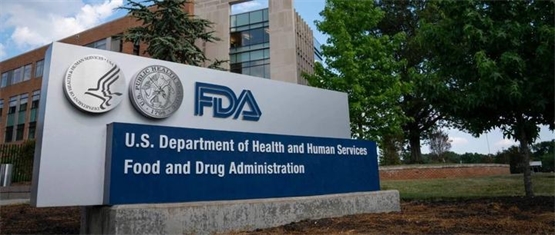
Core Viewpoint - The "Black Box Warning" is the highest level of risk alert in the global pharmaceutical regulatory system, aimed at clearly communicating potential severe risks associated with medications to healthcare professionals and patients [1][3]. Group 1: Definition and Purpose - The Black Box Warning was introduced by the FDA and has been adopted by many other countries' regulatory agencies, initially targeting drugs with serious safety concerns identified post-market [1]. - The warning has expanded to include drugs that may pose significant risks during the new drug approval process if severe potential risks are identified [1]. Group 2: Regulatory Conditions - Regulatory agencies implement Black Box Warning when: 1. A drug has clear adverse reactions that can lead to severe consequences [3]. 2. Improper use (e.g., dosage, duration, special populations) significantly increases risks [3]. 3. Drug interactions with other medications or foods may result in fatal outcomes [3]. Group 3: Usage Guidelines - Patients must fully understand the content of the Black Box Warning and the associated severe adverse reactions before using such medications [6]. - Medications with Black Box Warnings should be used under strict medical guidance, adhering to prescribed dosages and schedules [6]. - Patients should monitor their health closely for any abnormal symptoms and seek immediate medical attention if severe reactions occur [6]. Group 4: Antituberculosis Drug Challenges - Antituberculosis treatment faces challenges such as numerous adverse reactions and lengthy treatment durations, complicating patient compliance [7]. - The development of new antituberculosis drugs has been slow, with only three new drugs approved in nearly 50 years [7]. - Bedaquiline, the first new antituberculosis drug in 50 years, has a Black Box Warning due to increased mortality risk and potential QT prolongation [7][9]. Group 5: Recent Drug Approvals - Delamanid, approved in 2014, also carries a Black Box Warning for QT interval prolongation, necessitating regular ECG checks during treatment [9]. - Pretomanid, approved in 2019, does not have a Black Box Warning, indicating a relatively better safety profile and showing promise in treating drug-resistant tuberculosis [11]. Group 6: Risk Management - Black Box Warning does not equate to prohibition; drugs like Bedaquiline and Delamanid remain crucial for tuberculosis control [14]. - Physicians will weigh the benefits and risks based on individual patient conditions to create tailored treatment plans [14]. - The WHO-recommended BPaL/M regimen has gained international recognition for its safety and efficacy, contributing to the goal of ending tuberculosis by 2035 [14].