贝达喹啉

Search documents
张文宏:像结核病这样的法定传染病,不能让病人因费用而放弃治疗
第一财经· 2026-03-07 08:37
Core Viewpoint - The article highlights the urgent need for improved management and treatment of drug-resistant tuberculosis (DR-TB) in China, emphasizing the high costs and significant patient burden associated with treatment, as well as the necessity for enhanced healthcare policies and collaboration among medical, insurance, and pharmaceutical sectors [3][4][5]. Group 1: Current Situation of Drug-Resistant Tuberculosis - Approximately 28,000 new patients are diagnosed annually with drug-resistant tuberculosis in China, with treatment costs ranging from 160,000 to 200,000 yuan, leading to a patient out-of-pocket expense of nearly 100,000 yuan after insurance reimbursement [3][4]. - China is projected to enter the category of countries with low tuberculosis prevalence by 2024, yet it still accounts for 7.1% of the global new cases of multi-drug resistant tuberculosis [3][4]. Group 2: Challenges in Treatment - The treatment regimen for drug-resistant tuberculosis is lengthy, lasting 18 to 24 months, and often has a low success rate of 50% to 75%, exacerbated by high costs and complex medication protocols [5][6]. - The high prevalence of drug-resistant tuberculosis is particularly concerning in regions with limited healthcare resources, where elderly patients with comorbidities are increasingly common, further complicating treatment adherence [5][6]. Group 3: Proposed Solutions - A proposed solution includes the implementation of low-cost, locally developed treatment options, as demonstrated by the Trust program in Guizhou, which has improved treatment adherence among patients [5][6]. - Recommendations for improving patient care include integrating drug-resistant tuberculosis into special disease management programs, adjusting payment standards based on disease type, and enhancing the accessibility of essential medications through insurance reforms [7][8]. Group 4: Legislative and Policy Framework - The recent revision of the Infectious Disease Prevention Law elevates tuberculosis prevention efforts to a national legal framework, indicating a shift towards more comprehensive and enforceable regulations [8]. - Experts advocate for increased financial investment and the establishment of special funds to support drug-resistant tuberculosis treatment, aiming for a model where patients face zero out-of-pocket costs for necessary medications [8].


中国首次成为结核病中低流行国家
第一财经· 2025-11-13 01:19
Core Insights - In 2024, China enters the category of low to middle tuberculosis (TB) prevalence countries globally, but still accounts for 7.1% of new multidrug-resistant TB cases worldwide, with 25,000 new cases reported [2][5] Summary by Sections Global TB Situation - The World Health Organization (WHO) reported that TB remains one of the top ten causes of death globally, with over 1.2 million deaths and approximately 10.7 million new cases in 2024 [2] - Despite a decrease in global TB cases in 2024 after three consecutive years of increase, challenges such as funding shortages and unequal access to medical resources threaten progress in combating TB [2][3] China's TB Burden - In 2024, China's estimated new TB cases are 696,000, down from 741,000 in 2023, with a TB incidence rate of 49 per 100,000, marking a 5.8% decrease from the previous year [4] - China ranks fourth globally in TB incidence, accounting for 6.5% of global cases, following India, Indonesia, and the Philippines [3][4] Drug-Resistant TB in China - China is a significant contributor to global multidrug-resistant TB, with an estimated 25,000 new cases in 2024 [5] - The treatment regimen for drug-resistant TB has been lengthy and burdensome, necessitating the development of shorter, more effective treatment options [5] National Strategies and New Treatments - The National Health Commission and other departments have launched a national TB prevention and control plan (2024-2030) focusing on strengthening drug resistance prevention and promoting effective new drugs and treatment regimens [5][6] - A new anti-TB drug, Pretomanid, was approved in China, enabling a six-month oral treatment regimen for drug-resistant TB [6] Preventive Measures - Preventive treatment (TPT) is emphasized as a crucial strategy to reduce the incidence of drug-resistant TB, with ongoing trials for new preventive treatment regimens [7] - The number of pilot programs for TB screening and preventive treatment has significantly increased from 36 in 2022 to 790 in 2024, although challenges remain in acceptance and implementation [8] Future Goals - The national plan aims to reduce TB incidence to 50 per 100,000 by 2025 and further to below 43 per 100,000 by 2030, with a target treatment success rate of at least 90% for TB patients [8]

理性对待“黑框”创新药,科学治疗结核病!
Cai Fu Zai Xian· 2025-09-15 09:21
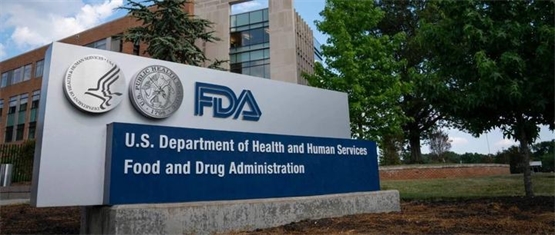
Core Viewpoint - The "Black Box Warning" is the highest level of risk alert in the global pharmaceutical regulatory system, aimed at clearly communicating potential severe risks associated with medications to healthcare professionals and patients [1][3]. Group 1: Definition and Purpose - The Black Box Warning was introduced by the FDA and has been adopted by many other countries' regulatory agencies, initially targeting drugs with serious safety concerns identified post-market [1]. - The warning has expanded to include drugs that may pose significant risks during the new drug approval process if severe potential risks are identified [1]. Group 2: Regulatory Conditions - Regulatory agencies implement Black Box Warning when: 1. A drug has clear adverse reactions that can lead to severe consequences [3]. 2. Improper use (e.g., dosage, duration, special populations) significantly increases risks [3]. 3. Drug interactions with other medications or foods may result in fatal outcomes [3]. Group 3: Usage Guidelines - Patients must fully understand the content of the Black Box Warning and the associated severe adverse reactions before using such medications [6]. - Medications with Black Box Warnings should be used under strict medical guidance, adhering to prescribed dosages and schedules [6]. - Patients should monitor their health closely for any abnormal symptoms and seek immediate medical attention if severe reactions occur [6]. Group 4: Antituberculosis Drug Challenges - Antituberculosis treatment faces challenges such as numerous adverse reactions and lengthy treatment durations, complicating patient compliance [7]. - The development of new antituberculosis drugs has been slow, with only three new drugs approved in nearly 50 years [7]. - Bedaquiline, the first new antituberculosis drug in 50 years, has a Black Box Warning due to increased mortality risk and potential QT prolongation [7][9]. Group 5: Recent Drug Approvals - Delamanid, approved in 2014, also carries a Black Box Warning for QT interval prolongation, necessitating regular ECG checks during treatment [9]. - Pretomanid, approved in 2019, does not have a Black Box Warning, indicating a relatively better safety profile and showing promise in treating drug-resistant tuberculosis [11]. Group 6: Risk Management - Black Box Warning does not equate to prohibition; drugs like Bedaquiline and Delamanid remain crucial for tuberculosis control [14]. - Physicians will weigh the benefits and risks based on individual patient conditions to create tailored treatment plans [14]. - The WHO-recommended BPaL/M regimen has gained international recognition for its safety and efficacy, contributing to the goal of ending tuberculosis by 2035 [14].
上海交通大学郑州研究院: 把科技成果转化为实实在在的生产力 创新策源·创新驱动·创新转化——走进城市智库 系列报道
Zheng Zhou Ri Bao· 2025-08-27 01:40
Core Points - The establishment of Shanghai Jiao Tong University Zhengzhou Research Institute aims to enhance industrial development in Henan Province through collaboration between the university and local governments [1][2] - The research institute focuses on key strategic emerging industries such as artificial intelligence, intelligent manufacturing, biomedicine, new materials, and new energy [2][3] - The institute has initiated the construction of four innovation centers and is in the process of establishing additional centers to foster technological innovation [3][4] Group 1: Collaboration and Development - The collaboration between Shanghai Jiao Tong University and Henan has a long history, with numerous technology projects leading to successful outcomes in the region [2] - The research institute serves as a platform for technology transfer and innovation, facilitating the integration of advanced research resources into Henan [3][6] - The institute has established partnerships with local enterprises to address key industry challenges and promote technology commercialization [6][7] Group 2: Talent Development and Ecosystem - The research institute is committed to attracting high-level talent and has successfully recruited both domestic and international experts to support its initiatives [3][8] - A focus on local talent cultivation is evident, with plans to develop customized training programs in collaboration with local universities [8][9] - The institute aims to create a robust innovation ecosystem that integrates education, research, and industry to drive technological advancements in the region [9]