手机小游戏

Search documents
数千万老年人,正被手机广告弹窗霸凌
虎嗅APP· 2025-12-10 10:13
Core Viewpoint - The article highlights the challenges faced by elderly users, particularly in navigating mobile technology, which often leads to overwhelming experiences due to intrusive advertisements and scams targeting this demographic [6][24]. Group 1: Elderly Users and Mobile Technology - The article describes how elderly individuals, like Liu Huiqin, have adapted to using smartphones, which serve as a window to the world for them, but they often encounter difficulties due to a lack of digital literacy [5][7]. - By mid-2025, the number of internet users aged 60 and above in China is projected to reach 161 million, many of whom are bombarded with aggressive advertising tactics that exploit their vulnerabilities [6][7]. - The experience of using smartphones for entertainment, such as watching short videos, is frequently interrupted by pop-up ads, leading to frustration and confusion among elderly users [9][10]. Group 2: The Impact of Advertisements - The article discusses how the apps commonly used by elderly individuals are often designed to maximize ad revenue, resulting in a poor user experience [25][28]. - Many advertisements are disguised as legitimate notifications, making it difficult for elderly users to distinguish between useful information and scams [11][29]. - The prevalence of intrusive ads has led to a situation where elderly users become targets for aggressive marketing strategies, effectively turning them into data points for advertisers [27][31]. Group 3: Family Dynamics and Support - The article illustrates the ongoing struggle between elderly users and their family members, who often take on the role of tech support to help navigate the complexities of mobile technology [16][21]. - Family members frequently engage in regular maintenance of elderly relatives' devices, attempting to remove unwanted applications and educate them on recognizing scams [17][22]. - The emotional toll of these interactions is significant, as family members express concern over their loved ones' safety and well-being in the digital landscape [35][36]. Group 4: Industry Response and Challenges - The article notes that while some smartphone manufacturers have introduced features aimed at making devices more user-friendly for the elderly, the effectiveness of these measures remains limited [30][31]. - Despite regulations aimed at protecting elderly users from misleading advertisements, the underlying business model of "free plus ads" continues to exploit this demographic [31][32]. - The article concludes that there is a pressing need for better-designed technology that caters specifically to the elderly, addressing their unique challenges and enhancing their digital experience [36].


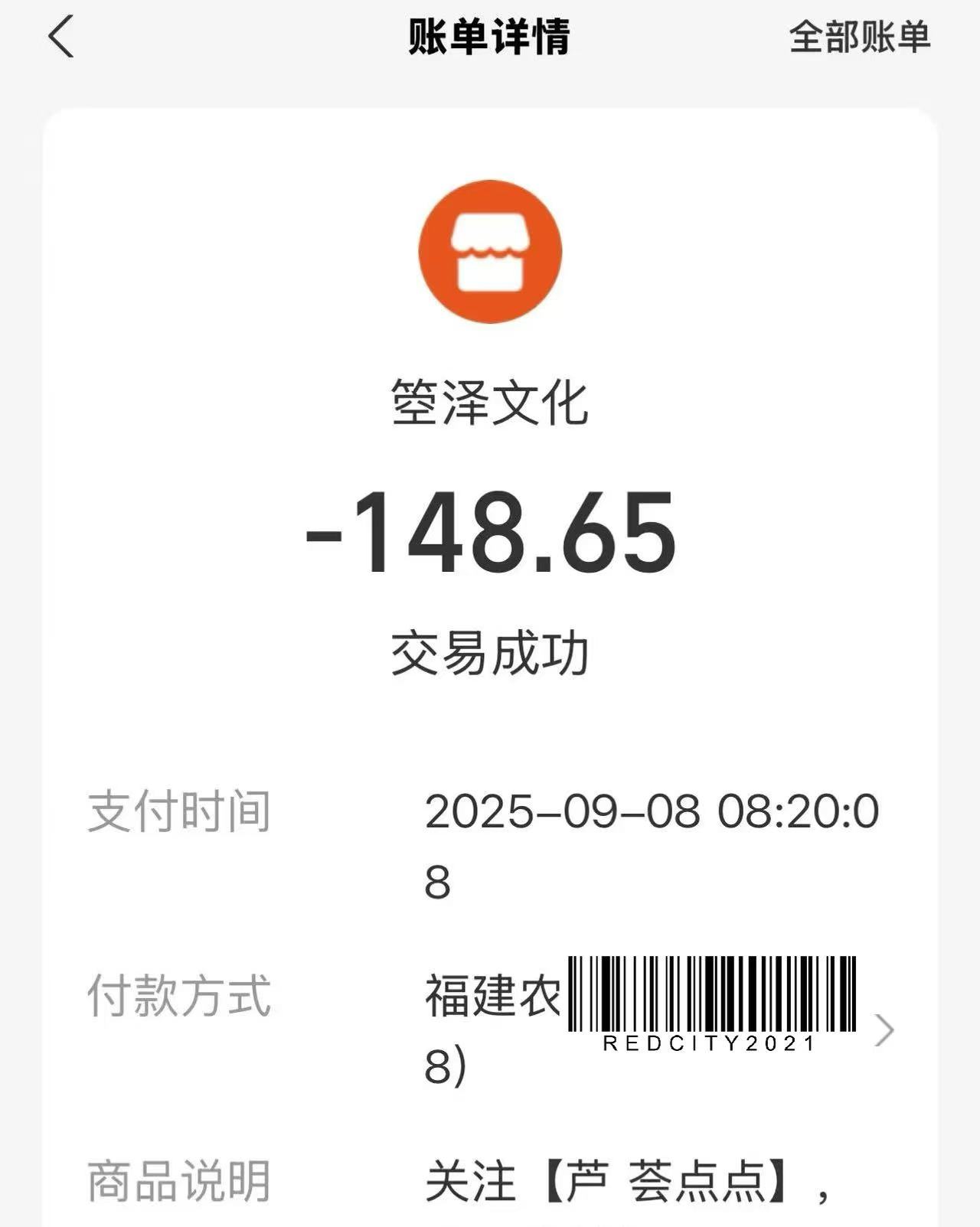
父母手机里的“幽灵扣款”:走路赚钱、免费会员、免密支付
Bei Ke Cai Jing· 2025-10-30 01:40
Core Points - The article highlights the issue of "ghost deductions" targeting the elderly, where they unknowingly authorize payments through misleading advertisements and pop-ups [2][3][28] - It emphasizes the lack of accountability and support for victims, as many face difficulties in filing complaints and obtaining refunds due to the elusive nature of the fraudsters [4][21][24] Group 1: Nature of the Fraud - The fraud often presents itself as enticing offers, such as "red envelopes" or "cash rewards," which lead to automatic deductions from the victims' accounts [3][15][28] - Victims, particularly the elderly, are misled into believing they are engaging in harmless activities, only to find their accounts debited without their consent [5][15][30] Group 2: Legal and Regulatory Concerns - Legal experts indicate that these practices violate multiple laws, including the Consumer Rights Protection Law and the Cybersecurity Law, highlighting the need for stricter enforcement [4][31][32] - The article discusses the responsibility of online platforms to monitor and manage the activities of merchants on their sites, suggesting that failure to do so could result in shared liability for fraudulent actions [33][34] Group 3: Recommendations for Prevention - Experts recommend that platforms implement robust monitoring systems to detect and block fraudulent activities, as well as establish clear complaint and refund processes for users [32][33] - There is a call for enhanced consumer education, particularly for the elderly, to help them recognize and avoid such scams [30][32]