执壶

Search documents
文博日历丨《太平年》中的文博彩蛋,你找出了几个?
Yang Shi Xin Wen· 2026-01-28 22:16
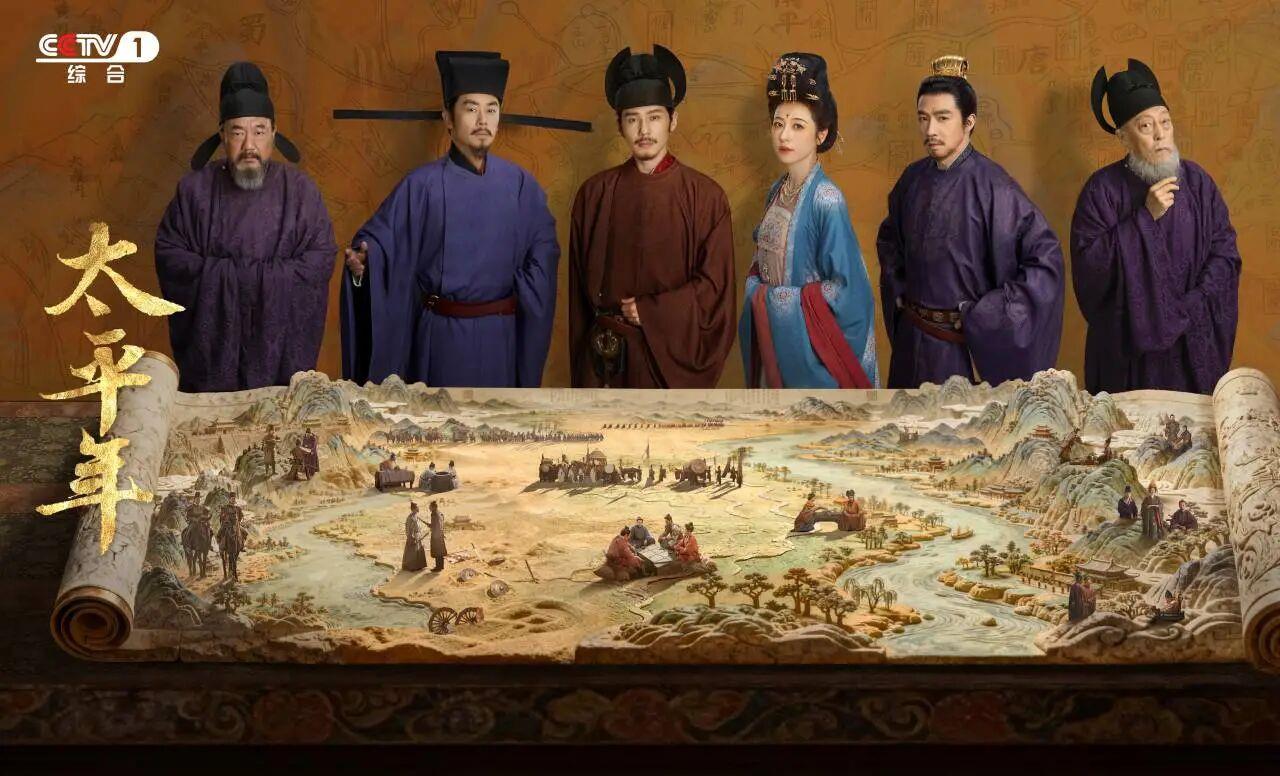
Group 1 - The drama "Tai Ping Nian" showcases the historical story of the Wu-Yue Kingdom's "submission to Song," emphasizing the long-standing belief in unity throughout history [1] - The series features various traditional Chinese instruments, including the guqin, which has evolved into its current form since the Han Dynasty [3][7] - The portrayal of wine vessels in the drama highlights unique designs, such as the warm wine vessels that became popular from the late Tang to the Song and Yuan dynasties [9][11] Group 2 - Daily-use porcelain items are prominently featured in the drama, with references to artifacts from the Wu-Yue Kingdom, such as a cloud-patterned incense burner [18][20] - The series' promotional materials include traditional motifs, like the white tiger pattern, which is part of the "Four Symbols" in Chinese culture [23] - The makeup styles of female characters reflect the late Tang dynasty, drawing inspiration from historical murals [24][26]

“图案的奇迹”卢浮宫大展开幕 汇聚约300件来自16至19世纪珍品
Di Yi Cai Jing· 2025-12-14 13:19
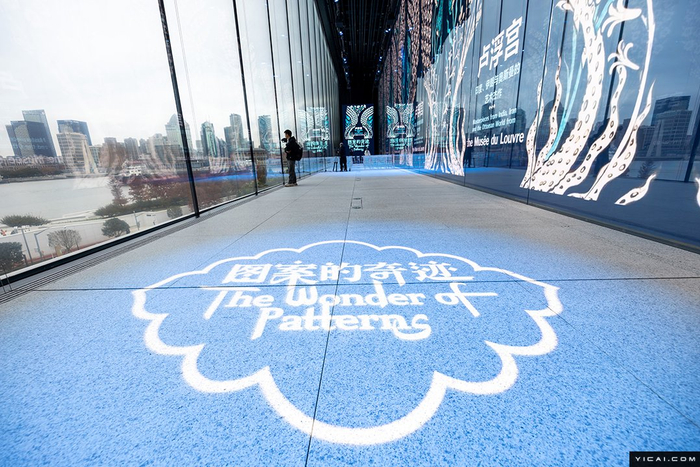
Core Insights - The exhibition "The Miracles of Patterns: Masterpieces of Indian, Iranian, and Ottoman Art from the Louvre" opened on December 13, 2025, at the Pudong Art Museum, marking the Louvre's debut in Shanghai. It features approximately 300 artifacts from the 16th to 19th centuries, showcasing a variety of mediums including ceramics, jewelry, jade, metalwork, carpets, calligraphy, painting, and sculpture, offering an immersive experience that highlights the cultural convergence of Asia, Africa, and Europe [2] Group 1 - The exhibition design emphasizes luxury and intricacy, with the Indian section characterized by soft reddish tones reminiscent of local sandstone, featuring items like a brass and silver armillary sphere that illustrate the Indian style from the 16th to 19th centuries [6] - The Iranian section transitions from warm red to deep blue-purple tones, showcasing the Safavid dynasty's influence, where increased trade and mass production significantly boosted artistic creation [12] - The Ottoman section is presented in deep navy blue, featuring artifacts such as a Turkish hanging lamp from around 1510, reflecting the empire's aesthetic trends [15] Group 2 - The exhibition includes a segment titled "From Damascus to Cairo," which features traditional wooden lattice windows and geometric patterned wooden doors, showcasing local traditions while also reflecting new aesthetic trends in the Ottoman Empire [19][20]