抗阻运动

Search documents
这5种在家就能做的运动,会让睡眠变好!
Xin Lang Cai Jing· 2026-01-11 05:53
Group 1 - The core viewpoint of the article is that resistance exercise, such as weight training, is shown to be an effective natural remedy for improving sleep quality [1][2]. Group 2 - A study published in January 2025 in the journal "Sleep Medicine" involved male college students with Delayed Sleep Phase Disorder (DSWPD), comparing the effects of resistance exercise and aerobic exercise on sleep [2]. - Participants were divided into two groups: one engaged in resistance exercises (e.g., dumbbell training, squats) and the other in aerobic exercises (e.g., running, cycling) over several weeks [2]. - Key sleep metrics such as sleep onset time, sleep efficiency, deep sleep duration, and nighttime awakenings were recorded using sleep logs and wearable devices [2]. Group 3 - Results indicated that participants in the resistance exercise group experienced significant improvements, including falling asleep 15-20 minutes faster than those in the aerobic group [3]. - Sleep efficiency increased by approximately 10% in the resistance exercise group, compared to a 5% increase in the aerobic group [4]. - Deep sleep duration increased by 20-30 minutes in the resistance exercise group, significantly outperforming the aerobic group [5]. Group 4 - Researchers suggest that the effectiveness of resistance exercise may be attributed to its unique effects on the body and nervous system, promoting muscle growth and relaxation of the central nervous system, which facilitates easier sleep onset [5]. - Resistance exercise has been shown to regulate melatonin levels and reduce inflammation, improving mood and promoting relaxation [5]. - The benefits of resistance exercise on sleep become more pronounced with longer adherence, although older adults may experience slightly diminished effects and may need to maintain the exercise routine for a longer duration [5]. Group 5 - The article recommends five types of resistance exercises that can be easily performed at home, including bodyweight squats, wall push-ups, resistance band rows, hip bridges, and dumbbell shoulder presses [6][7][8][9][10][11]. - Engaging in resistance training three times a week for 20 minutes can initiate a positive cycle for sleep optimization [11].
抗阻训练,不只“练肌肉”(健身视野·服务站)
Ren Min Ri Bao· 2025-07-27 22:42
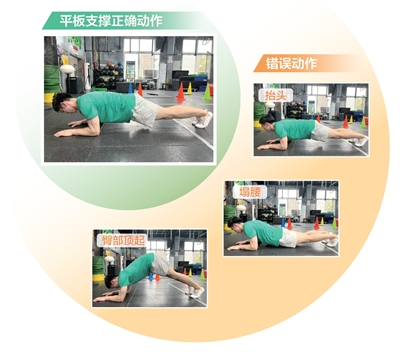
Core Insights - Resistance training is an effective method for enhancing muscle strength, improving overall athletic performance, and combating age-related muscle loss [2][3] - It plays a significant role in increasing basal metabolic rate, aiding in weight control and fat loss by promoting muscle mass [2] - Resistance training positively impacts bone health by stimulating osteoblast activity, which helps prevent and improve osteoporosis [2] Group 1: Benefits of Resistance Training - Resistance training is not just about building muscle; it optimizes bodily functions from the inside out and is a sustainable training choice [2] - It helps in maintaining muscle mass as individuals age, counteracting muscle loss [2] - Increased muscle mass leads to higher daily calorie expenditure, facilitating long-term weight management [2] - It contributes to better bone health by applying moderate stress to bones, which is crucial for preventing osteoporosis [2] Group 2: Preparation for Resistance Training - A well-structured training plan should be based on individual physical conditions and goals, adjusting for muscle gain or endurance [3] - Warm-up exercises, including dynamic stretching for 5 to 10 minutes, are essential to prevent injuries [3] Group 3: Types of Resistance Training - Bodyweight exercises, such as push-ups and squats, can be performed without equipment and are suitable for home or outdoor settings [4][5] - Assisted resistance training involves using equipment like dumbbells, barbells, and resistance bands, which are effective for strength and muscle endurance [6] Group 4: Training Guidelines - Regularity and moderation in training frequency and intensity are crucial, especially for beginners [7] - Proper form and technique are vital for safety, and initial training should ideally be supervised by professionals [7] - Progression should be gradual, starting with bodyweight exercises and slowly incorporating weights as strength increases [7]