有氧运动

Search documents
这3种运动堪称“心血管保镖” 现在开始还不晚
Xin Lang Cai Jing· 2026-01-29 22:56
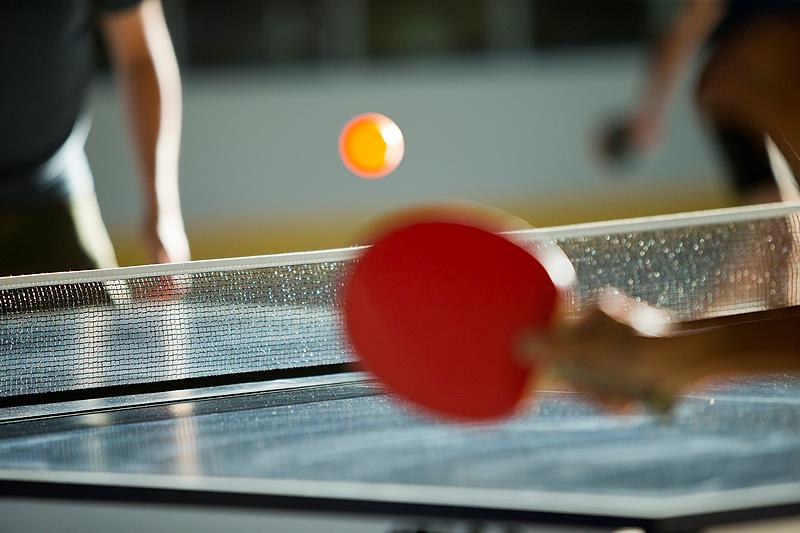
Group 1 - The study tracked 80,000 individuals and identified three types of exercise that significantly reduce all-cause mortality risk and cardiovascular disease risk [1] Group 2 - Racket sports (badminton, table tennis, tennis) reduce all-cause mortality risk by 47% and cardiovascular disease mortality risk by 16% [3] - High-intensity interval training is beneficial for controlling hypertension, weight, and enhancing cardiorespiratory function [3] - It is recommended to engage in racket sports 2-3 times a week for 30-60 minutes each session [3] Group 3 - Swimming reduces all-cause mortality risk by 28% and cardiovascular disease mortality risk by 41% [5] - Swimming is a full-body exercise that places less stress on joints, making it suitable for all ages [5] - It is recommended to swim 2-3 times a week for 30-45 minutes each session [5] Group 4 - Aerobic exercises (running, cycling, brisk walking, dancing) reduce all-cause mortality risk by 27% and cardiovascular disease mortality risk by 36% [8] - Regular aerobic exercise promotes blood circulation, enhances myocardial contractility, and improves vascular elasticity, which helps control hypertension and reduce cardiovascular disease risk [8] - It is recommended to perform aerobic exercises 5 times a week for 30-60 minutes each session [8]

这5种在家就能做的运动,会让睡眠变好!
Xin Lang Cai Jing· 2026-01-11 05:53
Group 1 - The core viewpoint of the article is that resistance exercise, such as weight training, is shown to be an effective natural remedy for improving sleep quality [1][2]. Group 2 - A study published in January 2025 in the journal "Sleep Medicine" involved male college students with Delayed Sleep Phase Disorder (DSWPD), comparing the effects of resistance exercise and aerobic exercise on sleep [2]. - Participants were divided into two groups: one engaged in resistance exercises (e.g., dumbbell training, squats) and the other in aerobic exercises (e.g., running, cycling) over several weeks [2]. - Key sleep metrics such as sleep onset time, sleep efficiency, deep sleep duration, and nighttime awakenings were recorded using sleep logs and wearable devices [2]. Group 3 - Results indicated that participants in the resistance exercise group experienced significant improvements, including falling asleep 15-20 minutes faster than those in the aerobic group [3]. - Sleep efficiency increased by approximately 10% in the resistance exercise group, compared to a 5% increase in the aerobic group [4]. - Deep sleep duration increased by 20-30 minutes in the resistance exercise group, significantly outperforming the aerobic group [5]. Group 4 - Researchers suggest that the effectiveness of resistance exercise may be attributed to its unique effects on the body and nervous system, promoting muscle growth and relaxation of the central nervous system, which facilitates easier sleep onset [5]. - Resistance exercise has been shown to regulate melatonin levels and reduce inflammation, improving mood and promoting relaxation [5]. - The benefits of resistance exercise on sleep become more pronounced with longer adherence, although older adults may experience slightly diminished effects and may need to maintain the exercise routine for a longer duration [5]. Group 5 - The article recommends five types of resistance exercises that can be easily performed at home, including bodyweight squats, wall push-ups, resistance band rows, hip bridges, and dumbbell shoulder presses [6][7][8][9][10][11]. - Engaging in resistance training three times a week for 20 minutes can initiate a positive cycle for sleep optimization [11].
35岁,体能断崖
Hu Xiu· 2025-08-06 00:14
Group 1 - The article discusses the increasing anxiety and challenges faced by job seekers aged 35 and above, highlighting a 14.9% year-on-year increase in resume submissions from this age group in 2020, significantly outpacing younger candidates [2][3] - It emphasizes that the perceived decline in physical and mental capabilities at age 35 is more related to lifestyle choices rather than an abrupt physiological change, with many individuals attributing their health issues to accumulated poor habits over the years [5][7][19] - The article presents evidence that physical decline can be mitigated or even reversed through consistent physical training, showcasing examples of individuals who have achieved significant fitness improvements later in life [6][28][30] Group 2 - The report indicates that the average Body Mass Index (BMI) for individuals aged 30-39 shows a marked increase compared to those aged 18-29, suggesting that socioeconomic factors play a more significant role in weight changes than age alone [15][16] - It notes that chronic pain and health issues, such as neck pain and obesity, are increasingly common among individuals in their 30s, often linked to sedentary lifestyles and work-related stress [10][21] - The article concludes that maintaining a regular exercise routine can help individuals manage their physical health and counteract the negative effects associated with aging, reinforcing the idea that age should not be viewed as a definitive barrier to fitness [36][39]