指数跟踪产品

Search documents
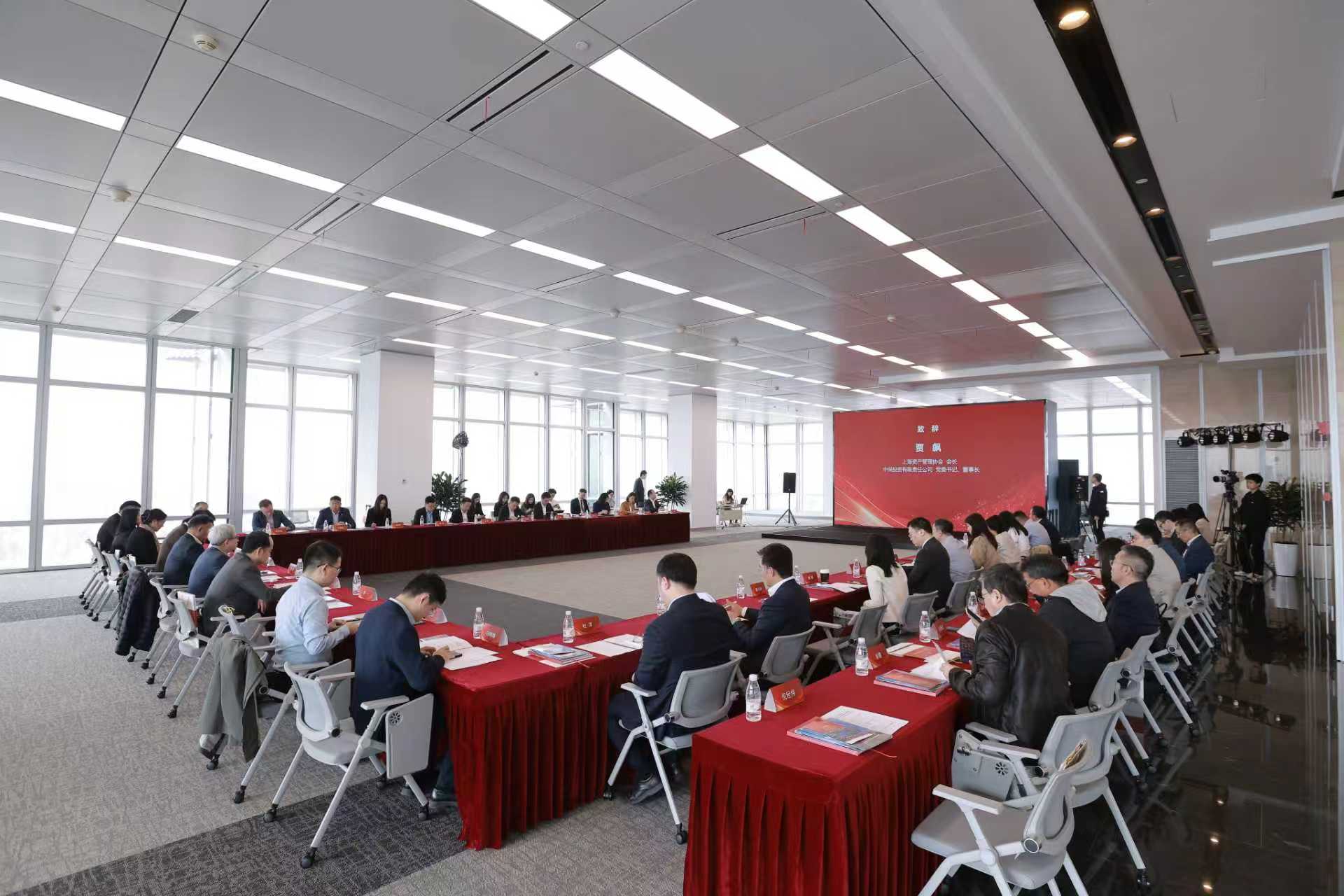
24家外资资管齐聚,多维度建言上海全球资管中心建设
Di Yi Cai Jing· 2025-10-24 08:28
Core Viewpoint - Foreign asset management institutions have become a core force in promoting the internationalization of urban finance, particularly in Shanghai, which is accelerating the construction of an international financial center and a global asset management center [1][3]. Group 1: Current Status and Development of Foreign Asset Management Institutions - Foreign asset management institutions are entering a deep cultivation phase in China, actively participating in product innovation and investment management [5]. - Shanghai ranks among the top in the country for foreign asset management concentration, with 50% of domestic banks headquartered there and nearly 50% of joint venture fund management companies and foreign insurance companies [3]. - The Shanghai Asset Management Association has seen a continuous increase in foreign members, fostering an ecosystem for international asset management experience exchange and cross-field business cooperation [4]. Group 2: Policy and Market Environment - The financial sector's added value in Shanghai accounted for 15% of the city's GDP in 2024, with total financial market transactions exceeding 36.5 trillion yuan [4]. - Central and local governments are collaborating to support the development of foreign asset management, with recent policies aimed at expanding financial openness and enhancing the role of foreign financial institutions in Shanghai [4][8]. Group 3: Strategic Collaborations and Innovations - A strategic cooperation memorandum was signed between the Shanghai Asset Management Association and the Lujiazui Management Bureau, focusing on areas such as green finance, ESG investment, and pension asset management [6]. - The global ESG asset management scale has surged from approximately 170 billion to over 10 trillion dollars in the past five years, indicating a growing interest in sustainable investment practices [6]. Group 4: Challenges and Recommendations - Foreign institutions face challenges such as institutional differences, cross-border business restrictions, and difficulties in talent acquisition, necessitating policy support and institutional innovation [8][9]. - There is a consensus among foreign institutions on the need to strengthen talent and ecological support, with suggestions for Shanghai to implement measures to attract foreign financial talent [9].