指纹识别水杯

Search documents
指纹识别水杯热销 谁在贩卖焦虑?
Mei Ri Shang Bao· 2025-09-04 22:28
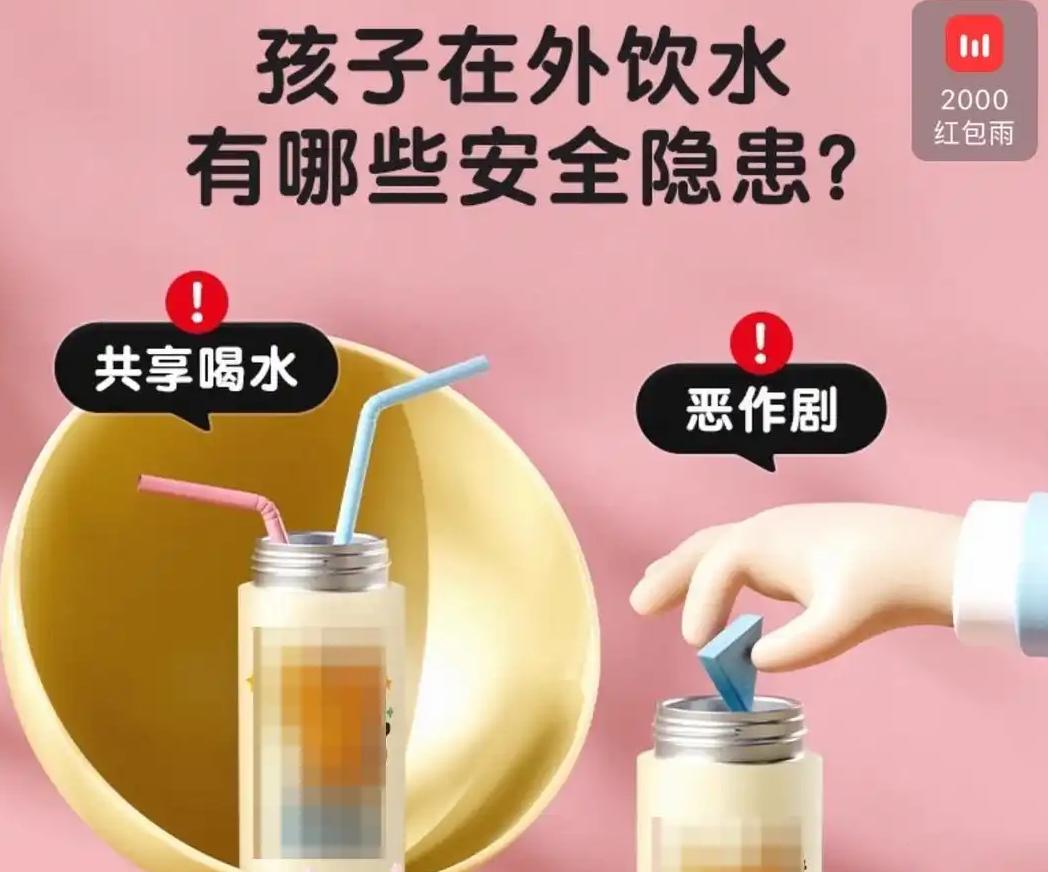
Core Viewpoint - The rise in popularity of fingerprint recognition water bottles is driven by parental concerns over child safety, despite the low probability of actual threats occurring [1][2][3]. Group 1: Product Features and Market Demand - Fingerprint recognition water bottles are marketed as a solution to prevent potential dangers such as bullying and contamination, appealing to parents' fears [1][2]. - Sales data indicates that these products are among the top-selling items on e-commerce platforms, with prices ranging from over 100 to 400 yuan [1]. - The marketing strategy exploits parental anxiety, suggesting that without such a product, children are at risk of harm [2]. Group 2: Psychological and Social Implications - The use of fingerprint recognition technology may foster distrust among peers, leading to a defensive mindset in children [3][4]. - Encouraging children to rely on such security measures could hinder their emotional development and ability to trust others in a competitive society [3][4]. - The emphasis on security through technology may create an unrealistic perception of safety, potentially isolating children from normal social interactions [4].
爆火的指纹水杯,究竟是防霸凌神器还是在营销焦虑
3 6 Ke· 2025-09-04 13:42
Group 1 - The core product gaining popularity this school season is a fingerprint-locked water bottle, which has outperformed traditional smart stationery items like electric pencil sharpeners and translation pens [1][2] - The marketing strategy for these fingerprint water bottles effectively appeals to parents' concerns about children's safety, emphasizing the prevention of bullying and accidental contamination [2][4] - Despite the high price point, many products have achieved sales exceeding 10,000 units, driven by social pressure among parents to keep up with peers [4] Group 2 - There are concerns regarding the reliability of fingerprint recognition technology, as children may struggle to unlock the bottles when their fingers are wet or injured, leading to instances of children being unable to drink water at school [6][9] - Additional hidden risks include material safety issues and potential battery leaks, as well as difficulties in cleaning due to the complex structure of the bottles [9] - Consumer opinions are divided, with some viewing the product as a marketing gimmick that introduces new problems, while others see it as a valuable solution for ensuring children's drinking safety [10][12] Group 3 - Teachers acknowledge the rationale behind the product's existence, citing real-life scenarios where traditional bottles failed to prevent mix-ups, thus validating the need for such innovations [12] - The industry is encouraged to focus on improving product design and materials to address safety and hygiene concerns rather than solely on marketing strategies that exploit parental anxiety [12][13] - The market is expected to reach a balance between smart and traditional water bottles, catering to different consumer needs based on product positioning [13]