饮水安全

Search documents
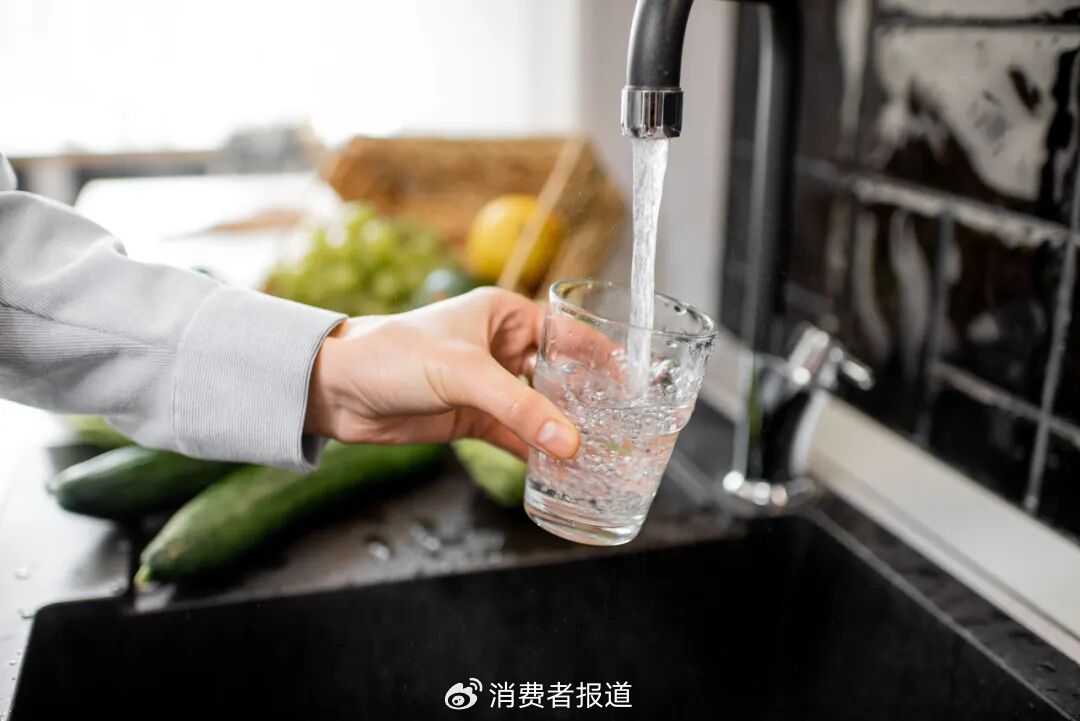
自来水、瓶装水、过滤水……饮水选择越来越多,哪种更优?
Xin Lang Cai Jing· 2025-12-15 01:21
Group 1 - The article emphasizes the increasing public concern over drinking water safety due to rising living standards and health awareness, particularly regarding the presence of scale in kettles [1][2] - Many citizens express worries about the health implications of consuming water with visible white floating particles, leading to a perception that tap water is of poor quality [2][23] Group 2 - Scale, commonly found in kettles, is a normal phenomenon resulting from the precipitation of dissolved minerals (mainly calcium and magnesium ions) when water is heated [5][7] - The hardness of water, which refers to the total concentration of calcium and magnesium ions, is a key factor in the formation of scale, with higher hardness leading to more scale [8][28] Group 3 - Drinking water with scale does not increase the risk of kidney stones, as the primary cause of kidney stones is concentrated urine, not the hardness of water [9][10] - The World Health Organization states there is insufficient evidence to suggest that drinking hard water increases the risk of kidney stones [10][30] Group 4 - While scale is harmless, it can reduce the heating efficiency of kettles and affect their appearance; however, it can be easily removed using vinegar or lemon [12][31] - The article explains the rigorous purification and delivery processes that tap water undergoes before reaching consumers, ensuring its safety [13][32] Group 5 - In China, tap water is produced according to strict national standards, ensuring its safety for consumption after boiling [40] - The article discusses various drinking water options available in the market, including bottled water, filtered water, and tap water, highlighting that all can be safe if they meet hygiene standards [39][40]

限时免费:水质检测人员必看,哈希水专家团队解读GB5750+智慧水务攻关
仪器信息网· 2025-10-07 03:57
Core Insights - The article emphasizes the importance of a comprehensive training course that integrates authoritative standards, cutting-edge technology, and practical solutions for professionals in water supply and wastewater treatment sectors [2]. Group 1: Course Content Overview - The course includes a deep analysis of the new national standard GB5750-2023 for drinking water, focusing on key changes, updated testing methods, limit adjustments, and compliance operation points [2]. - It addresses the core challenges of intelligent control in wastewater treatment plants, revealing strategies for process optimization and cost control driven by data [2]. - The course discusses hidden pollution risks in drinking water, such as microplastics and resistant genes, and provides rapid detection technologies and emergency response plans [2]. - It offers a guide for instrument selection, ensuring precise monitoring instruments are matched to specific scenarios, along with best practices for sample pretreatment and water quality diagnosis [2]. Group 2: Course Logistics - The course is a premium offering without exams or certificates, and participants can apply for a training certificate upon completion within the validity period [6]. - It is a virtual product, and purchases are non-refundable [7]. - Participants can request a VAT electronic invoice at the time of purchase [8]. - The course is valid for 360 days from the date of purchase, allowing unlimited access for learning during this period [9].

爆火的指纹水杯,究竟是防霸凌神器还是在营销焦虑
3 6 Ke· 2025-09-04 13:42
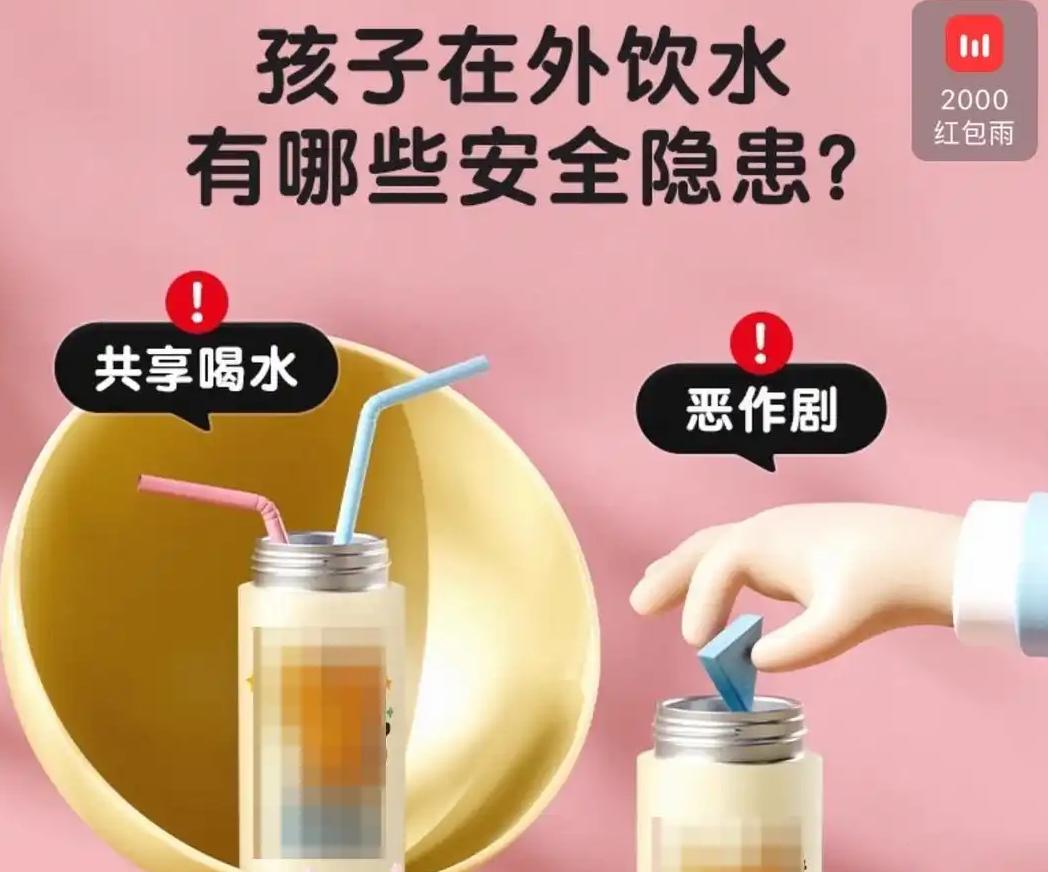
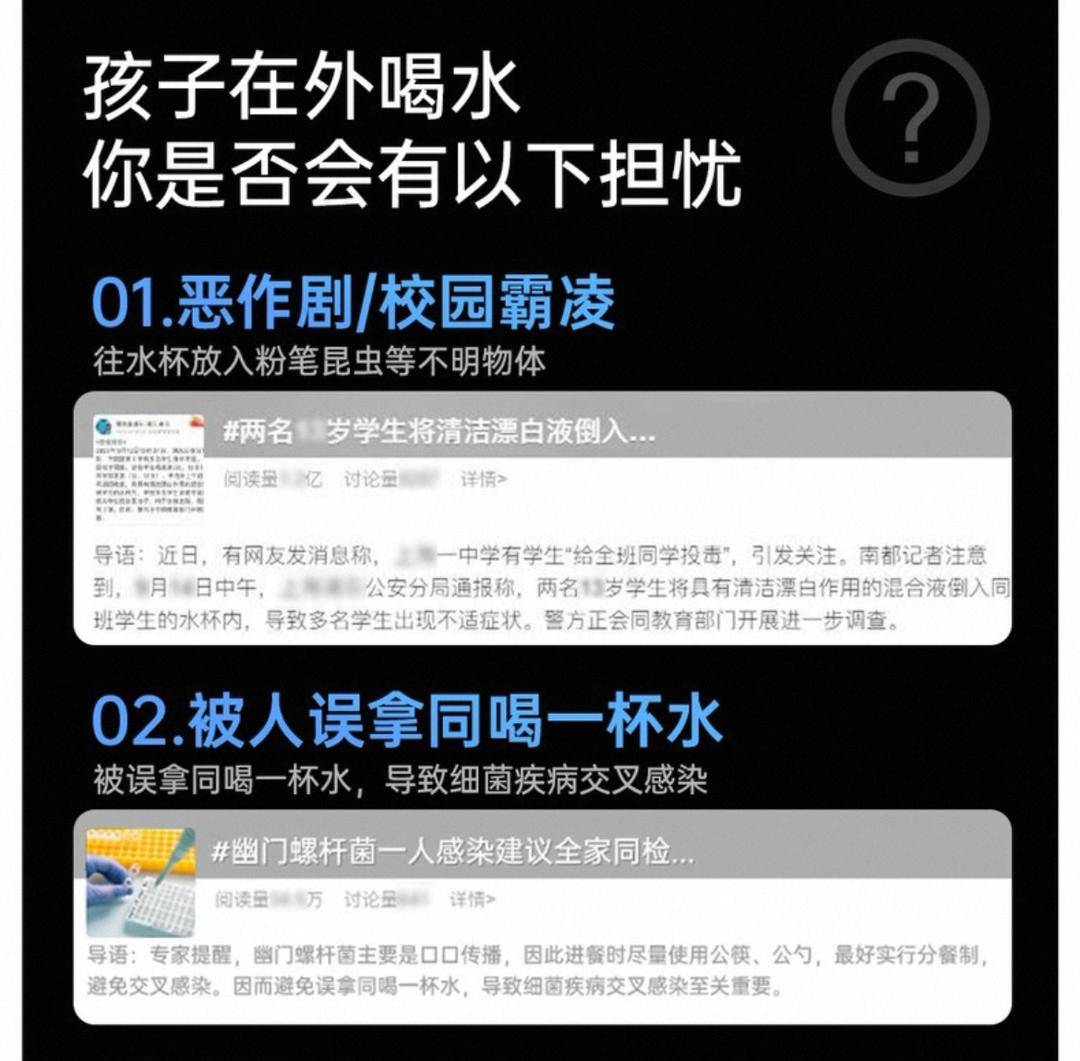
Group 1 - The core product gaining popularity this school season is a fingerprint-locked water bottle, which has outperformed traditional smart stationery items like electric pencil sharpeners and translation pens [1][2] - The marketing strategy for these fingerprint water bottles effectively appeals to parents' concerns about children's safety, emphasizing the prevention of bullying and accidental contamination [2][4] - Despite the high price point, many products have achieved sales exceeding 10,000 units, driven by social pressure among parents to keep up with peers [4] Group 2 - There are concerns regarding the reliability of fingerprint recognition technology, as children may struggle to unlock the bottles when their fingers are wet or injured, leading to instances of children being unable to drink water at school [6][9] - Additional hidden risks include material safety issues and potential battery leaks, as well as difficulties in cleaning due to the complex structure of the bottles [9] - Consumer opinions are divided, with some viewing the product as a marketing gimmick that introduces new problems, while others see it as a valuable solution for ensuring children's drinking safety [10][12] Group 3 - Teachers acknowledge the rationale behind the product's existence, citing real-life scenarios where traditional bottles failed to prevent mix-ups, thus validating the need for such innovations [12] - The industry is encouraged to focus on improving product design and materials to address safety and hygiene concerns rather than solely on marketing strategies that exploit parental anxiety [12][13] - The market is expected to reach a balance between smart and traditional water bottles, catering to different consumer needs based on product positioning [13]
“指纹水杯”上热销榜是真需求还是“智商税”?有的品牌故障频发“渴哭”孩子
Yang Zi Wan Bao Wang· 2025-09-03 13:47
Core Viewpoint - The "fingerprint water cup" has gained popularity among parents during the back-to-school season, but there are concerns regarding its necessity and functionality [1][3][20]. Sales and Market Trends - Multiple brands are promoting fingerprint water cups, with prices ranging from 150 to 250 yuan, significantly higher than regular water cups [3][6]. - The best-selling product has surpassed 20,000 units sold, with several others exceeding 10,000 units [3][6]. Product Features and Consumer Concerns - The fingerprint water cup claims to enhance drinking safety by preventing contamination and mix-ups, requiring fingerprint recognition for use [6][11]. - Issues such as failure to unlock, charging problems, and difficulties in cleaning have been reported by consumers, raising doubts about the product's reliability [11][15][19]. - The product's components, including the lid and straw, are considered consumables with a short warranty period, leading to additional costs for replacements [11][19]. User Experiences and Feedback - Many parents have shared negative experiences, highlighting problems with fingerprint recognition and the inability to access water when the cup fails to unlock [15][19]. - Some parents express frustration over the product's complexity and hygiene issues, with reports of accumulated dirt inside the cup [19][20]. Market Perception and Demand - Opinions among parents vary, with some seeing the product as a necessary safety measure, while others view it as an unnecessary expense, likening it to a "smart tax" [20][24]. - Teachers acknowledge that while there are occasional conflicts over water usage among children, traditional water cups are still preferred by most families [24].
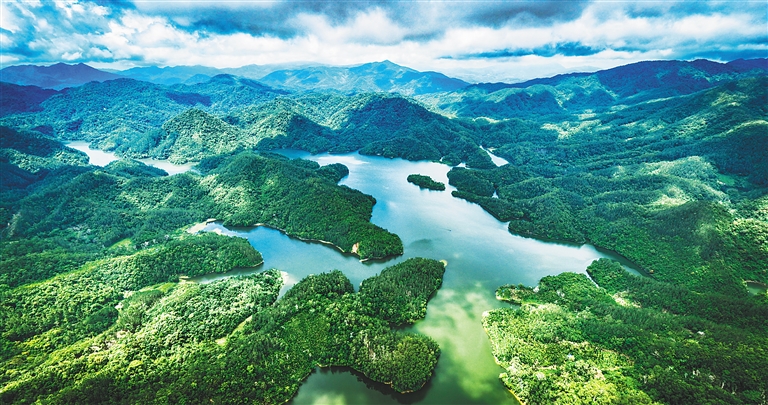
溯源宁远河上游——毛拉洞水库:碧水藏深谷 清流润万家
Hai Nan Ri Bao· 2025-06-26 02:26
Core Viewpoint - The article highlights the significance of the Maoladong Reservoir in Hainan, emphasizing its role in providing clean water to local communities and its ecological importance within the tropical rainforest environment [3][7][8]. Group 1: Location and Features - The Maoladong Reservoir is located in the Baoting Li and Miao Autonomous County, at the upper reaches of the Ningyuan River, surrounded by lush forests and scenic landscapes [3][4]. - The reservoir was completed in 2006 and is situated within the Hainan Tropical Rainforest National Park, featuring diverse plant species and clear water quality [5][6]. Group 2: Water Quality and Supply - Water quality tests conducted in the first and second quarters of 2025 showed that the reservoir's water meets the Class I standard of the Surface Water Environmental Quality Standards [5]. - The New Zheng Water Treatment Plant, which began operations in 2010, sources its water from the Maoladong Reservoir, serving approximately 130,000 residents across multiple towns [7][8]. - The water from the reservoir is noted for its clarity and quality, with testing indicating that it exceeds national standards and simplifies the treatment process by nearly 40% compared to water sourced from the Baoting River [7][8]. Group 3: Community Impact - The reservoir has transformed the water supply landscape for local residents, improving water quality and reducing issues such as scale buildup in cooking appliances [8]. - The article reflects on the historical context of the area, mentioning the displacement of around 500 villagers from Maoguan Village during the reservoir's construction, highlighting the emotional connection to the land [6][8].