搪瓷盆

Search documents
最后的守店人
Xin Lang Cai Jing· 2026-01-20 18:53
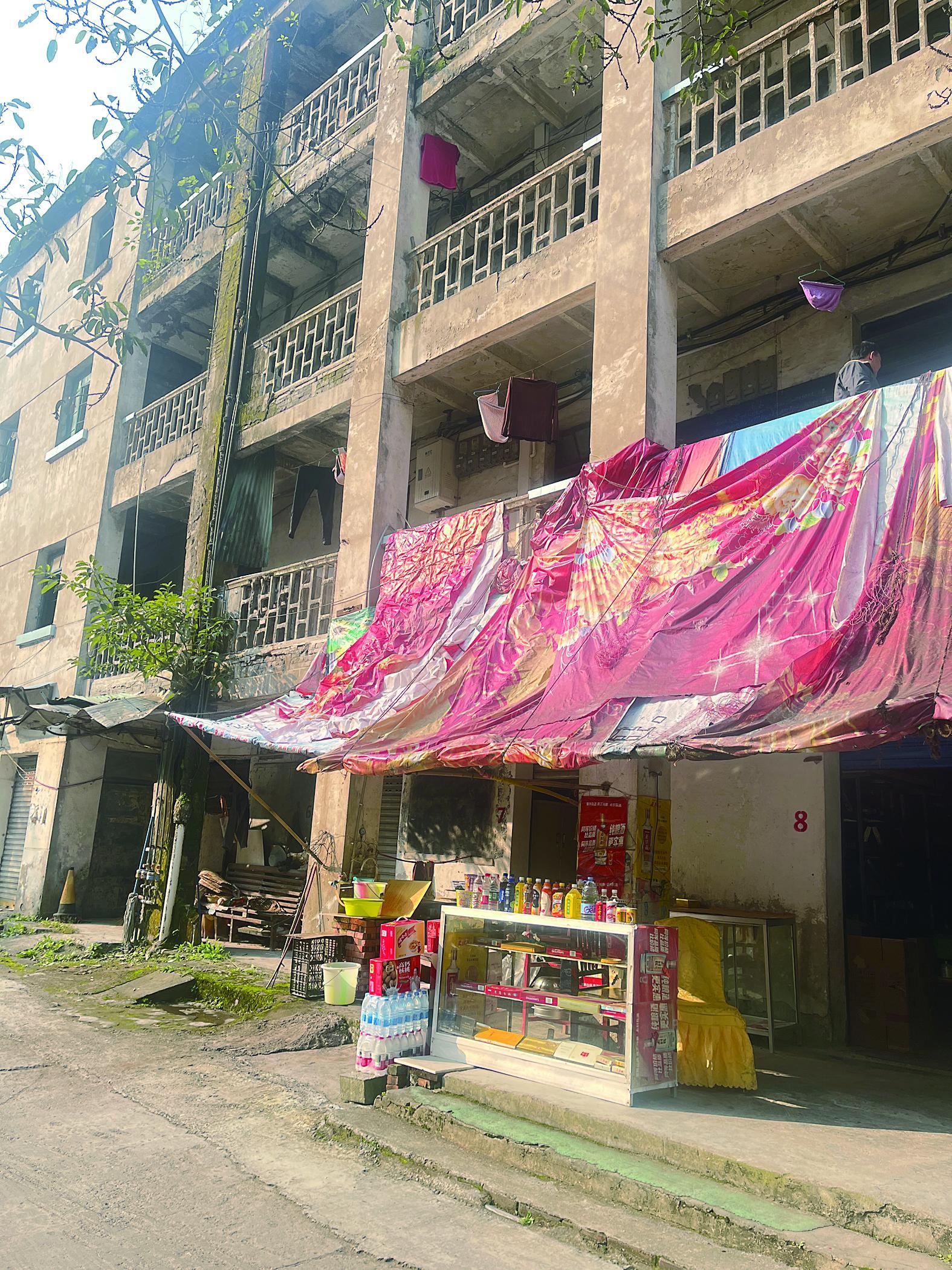
Core Viewpoint - The article highlights the story of Guihong, the last shopkeeper in the "Jiapigou" area, who has maintained her small store for over 36 years amidst the decline of the coal mining industry, symbolizing the fading memories and history of the once-thriving mining community [6][16]. Group 1: Historical Context - The "Jiapigou" area was once a bustling hub due to the Red Rock Coal Mine, attracting thousands of miners and their families, leading to a vibrant local economy with numerous shops and services [8][10]. - The coal mine was a state-owned enterprise that thrived from the 1960s to the 1990s, providing high incomes for miners compared to other jobs [8][9]. Group 2: Personal Journey of the Shopkeeper - Guihong, who started as a shop assistant, eventually took over the store after the coal mine's multi-business company went bankrupt in 2003, marking a significant turning point in her life [10][11]. - Despite facing challenges, including a drastic decline in customers and the closure of many nearby shops, Guihong chose to continue running her store, driven by her attachment to the community and the memories associated with the mining era [12][13]. Group 3: Current Situation and Community Impact - The store has become a nostalgic spot for former miners and their families, with an increase in visitors seeking to reconnect with their past, thus providing a modest income for Guihong [13][14]. - Guihong's shop serves as a "way station" for local villagers, who often bring local specialties to support her business, reinforcing community ties [15]. Group 4: Future Outlook - Guihong expresses a commitment to keep the store open as long as she can, symbolizing the enduring spirit of the mining community and preserving its history for future generations [16][17].

2025年上海市食品接触用搪瓷制品产品质量监督抽查结果公布
Zhong Guo Zhi Liang Xin Wen Wang· 2026-01-19 08:58
Core Insights - The Shanghai Municipal Market Supervision Administration conducted a quality inspection of food contact enamel products, revealing that out of 20 batches tested, 1 batch was found to be non-compliant [1][2]. Group 1: Inspection Results - A total of 20 batches of food contact enamel products were sampled, with 10 batches from physical sales and 10 batches from e-commerce platforms. Only 1 batch from physical sales was non-compliant, while no non-compliance was found in e-commerce sales [1][2]. - The inspection covered products from Shanghai, Jiangsu, Guangdong, and other provinces, with 13 batches produced in Shanghai and 1 batch found non-compliant [2]. Group 2: Compliance Standards - The inspection was conducted based on the SHSSXZ0092-2025 guidelines for quality supervision of food contact enamel products [2]. - Non-compliant products have been reported to the relevant market supervision departments for further action [2].
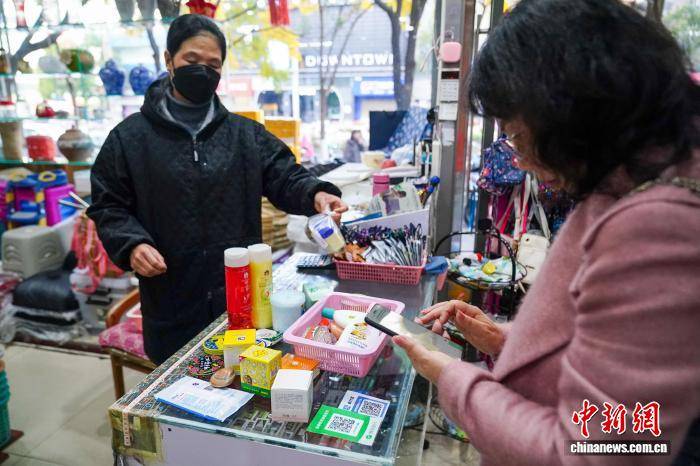
(文化中国行)老牌国货“回潮”:怀旧风“吹”起消费新风尚
Sou Hu Cai Jing· 2025-12-07 20:12
Core Viewpoint - The resurgence of traditional Chinese goods, particularly in the "Changchun Department Store," highlights a cultural shift among younger consumers who are increasingly purchasing these products, indicating a blend of nostalgia and practicality in their shopping habits [1][3][5]. Group 1: Store Overview - Changchun Department Store, established in 1956, has been operational for 69 years, adapting through various phases of restructuring and relocation while maintaining a focus on traditional Chinese goods [3]. - The store features a wide range of classic domestic products, such as cotton fabrics and embroidered quilts, which have been popular for decades and are now attracting a younger demographic [3][5]. Group 2: Consumer Trends - There is a notable increase in young consumers, particularly those from the "90s" and "00s," who are driving the demand for traditional goods, as evidenced by a report indicating that "90s" consumers are the primary buyers and "00s" show the highest year-on-year growth in order volume [5][6]. - The cultural significance of these products is emphasized, as they serve as a bridge connecting generations, with older items being passed down to younger family members [5][6]. Group 3: Marketing and Online Presence - Starting in May 2025, the store plans to explore online promotion through social media, aiming to modernize its outreach and attract a broader audience [8]. - The store's efforts to engage with customers online have received positive feedback, showcasing a strong emotional connection with the brand and its products [8]. Group 4: Cultural Significance - The shift towards traditional goods reflects a deeper cultural recognition and consumer confidence, moving from a focus on trendy brands to valuing the practicality and emotional resonance of domestic products [8].