敌百·毒死蜱

Search documents
央视曝光“个别菜商违规使用含毒农药”,村民:味道大受不了,只有晚上打药,我们基本都不吃
Xin Lang Cai Jing· 2026-01-19 03:15
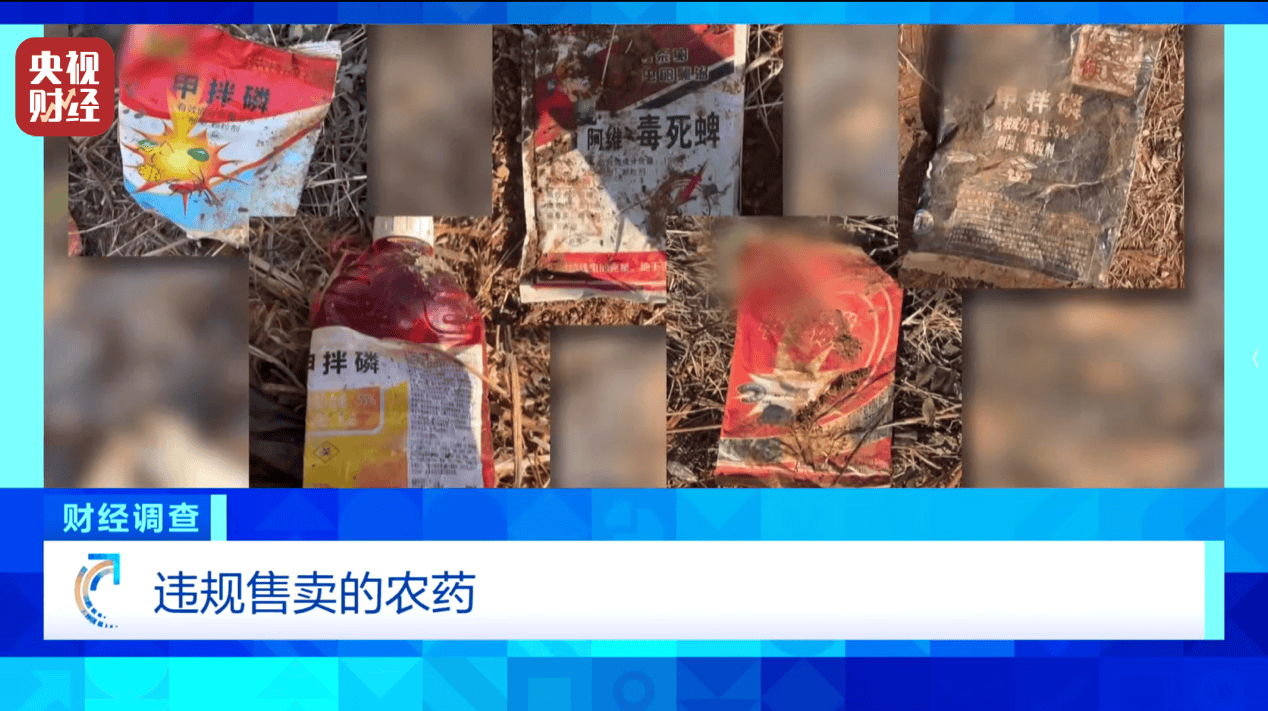
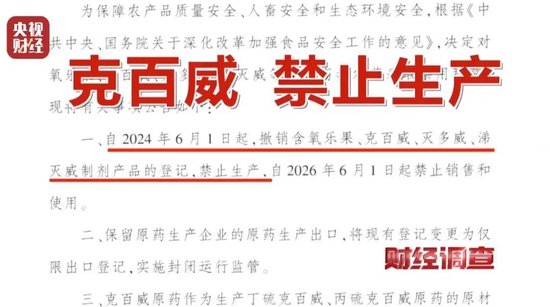
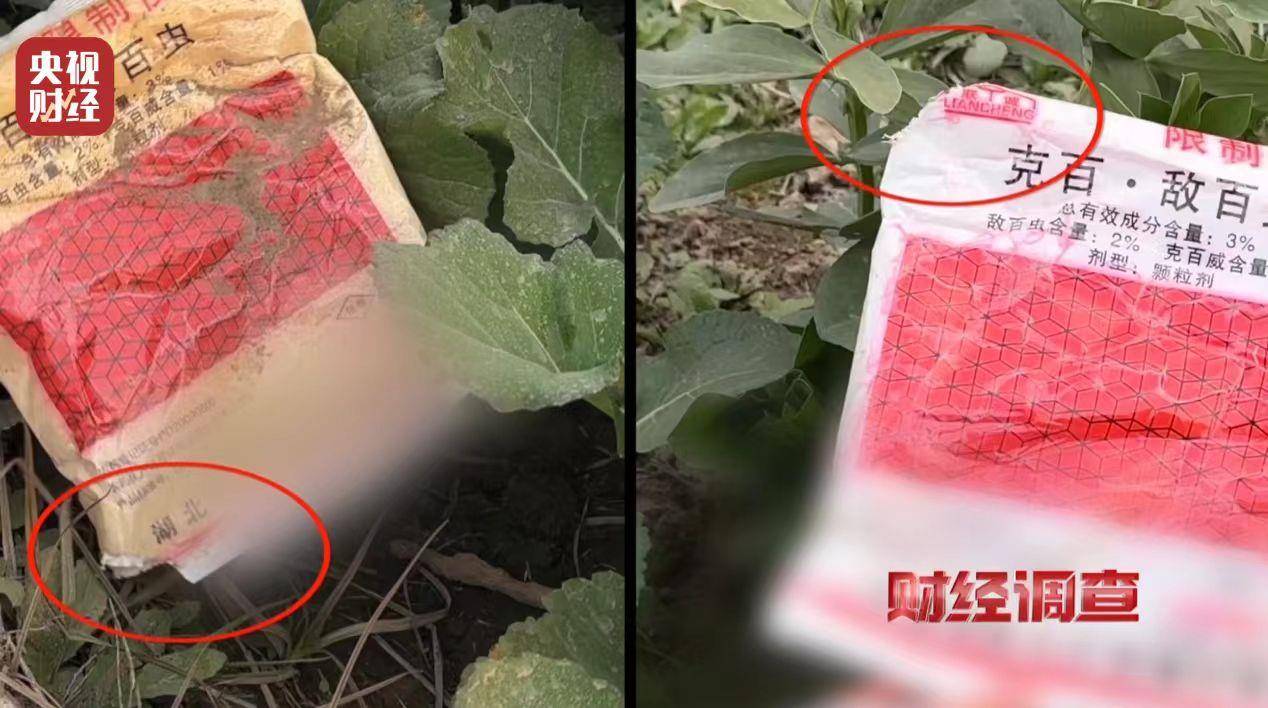
Group 1 - The article highlights the ongoing illegal sale of toxic pesticides, specifically chlorpyrifos, by certain merchants and companies despite national prohibitions [1][47][48] - Chlorpyrifos is classified as a broad-spectrum insecticide, acaricide, and nematicide, and its use is explicitly banned on vegetables, fruit trees, tea, and traditional Chinese medicinal materials [2][48] - The Ministry of Agriculture and Rural Affairs of China has announced that as of June 1, 2024, the registration of chlorpyrifos products will be revoked, and production will be prohibited [2][48] Group 2 - Reports indicate that in Hubei Province, chlorpyrifos was found being used on vegetables, with evidence of open packaging discovered in the fields [4][50] - The pesticide found in the fields was labeled with a 1% concentration of chlorpyrifos, indicating it is for restricted use, and it has a long residual effect when applied to soil [6][52] - Local villagers expressed their concerns about the pesticide odor in the air and stated they would not consume the vegetables grown in the area due to the use of toxic pesticides [8][56] Group 3 - The investigation revealed that some merchants are selling chlorpyrifos under false pretenses, including altering production dates to evade regulations [16][62] - At agricultural trade fairs, vendors were discreetly offering chlorpyrifos to potential buyers, indicating a network of illegal sales [16][62] - Despite clear regulations stating that chlorpyrifos should not be used on vegetables, some merchants are still selling it to vegetable growers [20][66] Group 4 - The investigation also uncovered the sale of other banned pesticides, such as methamidophos, with merchants knowingly violating regulations [79][81] - In Zhengzhou, a service provider offered a pesticide containing toxic substances, emphasizing the need for testing to determine its safety for use on certain crops [79][81] - Farmers in Yunnan Province admitted to using methamidophos to increase yields, highlighting the pressure to reduce production costs despite the risks involved [89][91]

厂家铤而走险、商户违规牟利,含毒农药克百威在多种渠道隐蔽销售
Xin Lang Cai Jing· 2026-01-18 15:19
Core Viewpoint - The article highlights the ongoing illegal sale of toxic pesticides, specifically "Kebaiwei" and "Jiabanglin," which are banned or restricted for use in agricultural practices, particularly in vegetable cultivation [1][2][24]. Group 1: Illegal Sales of Pesticides - Certain vendors continue to sell "Kebaiwei," a broad-spectrum pesticide that is prohibited for use on vegetables, fruits, tea, and medicinal herbs as per official regulations [2][24]. - Reports indicate that some farmers are using banned pesticides like "Jiabanglin" to control pests, despite knowing the legal restrictions [22][23]. - Investigations reveal that vendors are circumventing regulations by changing packaging and selling to familiar customers to avoid detection [23][28]. Group 2: Regulatory Framework - The Ministry of Agriculture and Rural Affairs of the People's Republic of China has issued announcements prohibiting the production and sale of "Kebaiwei" starting June 1, 2024 [2][24]. - The regulations specify that pesticide users must adhere strictly to the labeled usage guidelines, including application methods and dosage [8][29]. - The article emphasizes the importance of compliance with agricultural safety standards to protect food quality and environmental health [18][24]. Group 3: Consumer Awareness and Impact - Local residents express concerns about the use of toxic pesticides in their vicinity, indicating a lack of trust in the safety of the vegetables produced [32][33]. - The article documents instances where farmers openly admit to using banned pesticides to increase crop yields, highlighting the economic pressures driving these decisions [22][31]. - The presence of toxic pesticide residues poses significant risks to consumer health and safety, raising alarms among community members [26][32].

厂家铤而走险 商户违规牟利!含毒农药竟如此逃避市场监管
Yang Shi Xin Wen· 2026-01-18 14:44
Core Viewpoint - The article highlights the ongoing illegal sale and use of toxic pesticides, specifically "Kebaiwei" and "Jiabanfeng," which are banned or restricted by the Chinese government for agricultural use, particularly in vegetable cultivation [1][2][10]. Group 1: Illegal Sales and Usage - Some vegetable vendors are violating national regulations by using toxic pesticides, including "Kebaiwei," which is prohibited for use on vegetables, fruit trees, and medicinal herbs [2][4]. - Reports indicate that in Tianmen City, Hubei Province, "Kebaiwei" was found being used on vegetables, with multiple open packages discovered in the fields [2][6]. - The pesticide "Kebaiwei" has a 1% concentration and is classified as a restricted-use pesticide, with long-lasting effects in the soil [4][10]. Group 2: Evasion of Regulations - Vendors are reportedly selling "Kebaiwei" to vegetable growers despite its prohibition, with some even falsifying production dates to evade regulatory scrutiny [10][19]. - At agricultural trade fairs, vendors discreetly offered "Kebaiwei" to potential buyers, indicating a clear awareness of its illegal status [10][19]. - Some stores are known to sell "Kebaiwei" only to familiar customers, further indicating a deliberate attempt to bypass regulations [12][19]. Group 3: Broader Issues with Pesticides - The investigation revealed that other banned pesticides, such as "Toxic Death" and "Jiabanfeng," are also being sold to farmers, often under false pretenses regarding their intended use [19][20]. - In various regions, farmers are using "Jiabanfeng" to increase crop yields, despite knowing it is banned, and they often rely on secretive channels for procurement [22][24]. - The practice of changing packaging to avoid detection by authorities is common among sellers of banned pesticides [24][26].
厂家铤而走险,商户违规牟利!含毒农药逃避市场监管?《财经调查》曝光→
Sou Hu Cai Jing· 2026-01-18 12:13
Core Viewpoint - The investigation reveals that certain vendors and enterprises are still illegally selling toxic pesticides that are banned or restricted by national regulations, posing risks to consumer safety and agricultural practices [1][3]. Group 1: Illegal Use of Pesticides - The pesticide "Kebaiwei" is a broad-spectrum insecticide that is prohibited for use on vegetables, fruit trees, tea, and traditional Chinese medicinal materials as per the Ministry of Agriculture and Rural Affairs' announcement [3]. - Reports indicate that in Hubei Province, the pesticide "Furandan," which is identified as Kebaiwei, was found being used on vegetables, with multiple open packages discovered in the fields [5][10]. - Local farmers express their unwillingness to consume vegetables grown in areas where these toxic pesticides are used, indicating awareness of the risks involved [8]. Group 2: Sales Channels and Evasion Tactics - Investigations show that Kebaiwei is being sold through discreet channels, including agricultural fairs, where vendors cautiously offer the banned pesticide to potential buyers [13]. - Some stores are found to sell Kebaiwei while mislabeling production dates to evade regulatory scrutiny, indicating a deliberate attempt to bypass the law [17]. - Vendors are aware of the health risks associated with selling Kebaiwei to vegetable growers but continue to do so due to demand [24]. Group 3: Other Banned Pesticides - The investigation also uncovers the sale of other banned pesticides, such as "Dichlorvos," with vendors providing misleading information about their safety and legality [29]. - In Zhengzhou, vendors are found selling "Jiabanfeng," another banned pesticide, under the guise of bulk sales to avoid detection, demonstrating a pattern of non-compliance with agricultural regulations [33][35]. - Farmers admit to using banned pesticides like Jiabanfeng to increase yields, highlighting the economic pressures driving illegal pesticide use [36][38].