毒死蜱

Search documents
行业周报:巴斯夫湛江一体化基地全面投产,钛白粉价格一个月内三连涨-20260328
Huafu Securities· 2026-03-28 14:42
Investment Rating - The report maintains a "Buy" rating for the chemical industry, highlighting its resilience and potential for recovery in demand and pricing [4][8]. Core Insights - BASF's Zhanjiang integrated base has commenced full production, marking a significant milestone as China's first wholly foreign-owned project in the heavy chemical sector, with a focus on high-end materials and special chemicals [3]. - Titanium dioxide prices have seen three consecutive increases within a month, indicating strong market dynamics and potential profitability for producers [3]. - The domestic tire industry is showing strong competitive advantages, with recommended stocks including Sailun Tire, Senqcia, General Motors, and Linglong Tire [4]. - The consumer electronics sector is expected to gradually recover, benefiting upstream material companies, with key players identified in the display materials supply chain [4]. - The phosphate chemical sector is tightening due to environmental regulations and increasing demand from the new energy sector, with recommended stocks including Yuntianhua, Chuanheng, Xingfa Group, and Batian [5]. - The fluorochemical sector is poised for recovery, with high-end fluoropolymers and fine chemicals experiencing rapid growth, suggesting investment opportunities in leading companies [5]. Summary by Sections Chemical Sector Market Review - The overall performance of the chemical sector saw the CSI 300 index decline by 1.41%, while the CITIC Basic Chemical Index rose by 3.31% [14]. - The top-performing sub-industries included potassium fertilizer (up 11.58%) and other chemical raw materials (up 6.4%) [17]. Key Industry Dynamics - BASF's Zhanjiang base is designed to meet the growing market demand in China and the Asia-Pacific region, utilizing a fully renewable energy supply and advanced digital control systems [3]. - The price adjustments in titanium dioxide reflect a collective price increase trend among major producers, indicating strong market demand [3]. Investment Themes - The tire sector is highlighted for its growth potential, with domestic companies showing strong competitive positions [4]. - The consumer electronics recovery is expected to benefit upstream material suppliers, with specific companies recommended for investment [4]. - The phosphate and fluorochemical sectors are identified as having strong fundamentals, with specific companies recommended for investment based on their market positions and growth potential [5].
未知机构:华创化工团队农药行业点评高油价利好刚需农药全面涨价行业景气度有望持续上行-20260323
未知机构· 2026-03-23 02:05
Summary of Agricultural Chemical Industry Conference Call Industry Overview - The agricultural chemical industry is experiencing a price increase in essential pesticides due to rising oil prices and increased demand for spring farming preparations [1][2][3]. Key Points 1. **Price Trends**: - As of March 15, the Zhongnong Lihua raw material index reached 74.57 points, reflecting a year-on-year increase of 3.09% and a month-on-month increase of 6.27%. Among the tracked pesticide products, 49% saw price increases, 43% remained stable, and 8% experienced declines [1][2]. - Specific price increases for herbicides include glyphosate at 27,000 CNY/ton (+1.89% week-on-week), glufosinate at 48,500 CNY/ton (+5.43%), and others showing significant year-on-year increases [2]. - Insecticides such as chlorantraniliprole and cypermethrin also saw price increases of 2% and 3.8% respectively, with year-on-year changes of +19.72% and +1.86% [2]. - Fungicides like ethylenediamine and ortho-phenylenediamine experienced substantial price hikes of 60% and 15.38% week-on-week, with year-on-year increases of +32.81% and +17.65% [2]. 2. **Market Dynamics**: - The agricultural chemical market is currently active due to the peak season for spring farming preparations, with strong purchasing intentions from formulation companies and distributors [3]. - The increase in international crude oil prices has led to higher costs for raw materials, supporting price increases across various pesticide products [3][4]. 3. **Supply Constraints**: - India's agricultural chemical production is facing challenges due to high energy costs and supply restrictions, impacting the overall production capacity and operational rates of Indian pesticide companies [4][5]. 4. **Industry Outlook**: - After three years of declining market conditions, the agricultural chemical industry is poised for a potential recovery, with prices having reached historical lows and pessimistic expectations already priced in [6]. - Regulatory changes, such as the "One Certificate, One Product" policy set to take effect in January 2026, aim to enhance industry standards and reduce non-compliant production [6]. - The rise in oil prices is expected to improve planting profitability, which may drive a rebound in pesticide demand [6]. Related Companies - Key players in the agricultural chemical sector include: - Yangnong Chemical (integrated pesticide leader) - Xingfa Group (glyphosate leader) - Jiangshan Chemical (glyphosate leader and new product launches) - Runfeng Co. (overseas pesticide distribution) - Lier Chemical (glufosinate leader) - Liming Chemical (fungicide leader) - Guangxin Chemical (phosgene pesticide leader) - Hongtaiyang (paraquat and pyridine leader) [7]. Risk Factors - Potential risks include a significant drop in oil prices, lower-than-expected downstream demand growth, insufficient policy enforcement, and slower-than-anticipated exit of outdated production capacity [7].
农药行业重大事项点评:高油价利好刚需农药涨价,行业景气度有望持续上行
Huachuang Securities· 2026-03-20 06:29
Investment Rating - The report maintains a "Recommend" rating for the pesticide industry, indicating an expected upward trend in the industry over the next 3-6 months [2]. Core Insights - The pesticide industry is experiencing a price increase driven by high oil prices, with 49% of tracked pesticide products seeing price rises as of March 15, 2026 [2]. - The report highlights that the industry has faced three consecutive years of downturn, but the current conditions suggest a potential reversal in the cycle, supported by improved planting profitability and regulatory changes [2][8]. - Key companies identified for investment include Yangnong Chemical, Xingfa Group, Jiangshan Co., and others, which are positioned well within the market [2][8]. Summary by Sections Industry Overview - The pesticide industry is currently valued at approximately 262.97 billion yuan, with 32 listed companies contributing to this market [5]. - The market has shown a 30% increase over the past 12 months, indicating a recovery trend [6]. Price Trends - Significant price increases have been noted for key pesticide products, with herbicides like glyphosate and glufosinate seeing price hikes of 16.38% and 6.59% year-on-year, respectively [8]. - The report attributes the price increases to rising raw material costs, active market transactions, and strong demand during the spring planting season [8]. Company Forecasts - Yangnong Chemical is projected to have an EPS of 3.13 yuan in 2025, with a PE ratio of 23.39, while Xingfa Group is expected to have an EPS of 1.55 yuan and a PE ratio of 20.73 for the same year [4]. - The report emphasizes the strong growth potential of these companies, recommending them as top picks in the sector [4].


化学品污染导致野生鱼类寿命缩短
Ke Ji Ri Bao· 2026-01-24 08:52
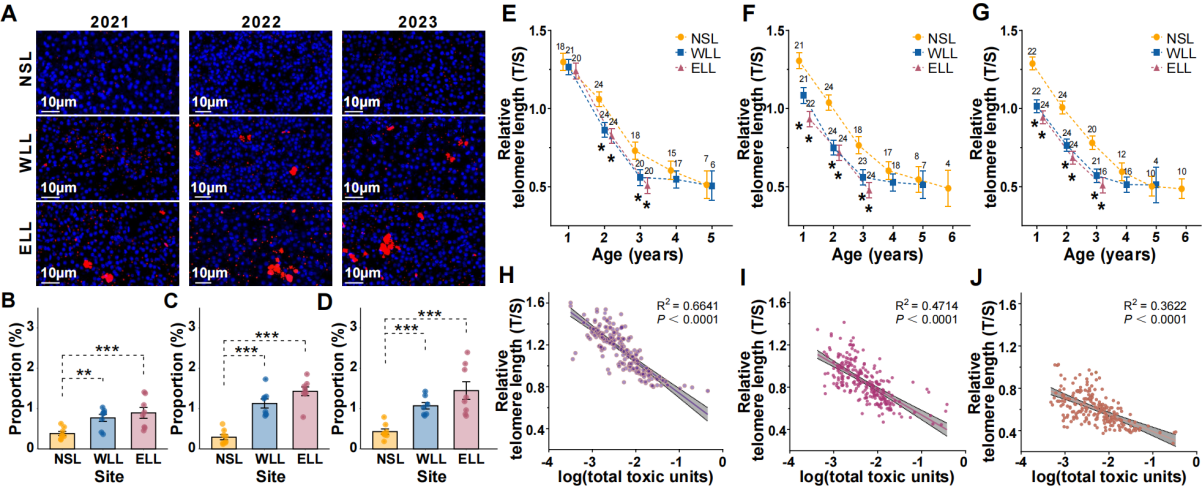
Core Findings - The research conducted by a team from China University of Geosciences (Wuhan) reveals that chemical pollution is leading to a reduction in the lifespan of wild fish, specifically through the study of the impact of chronic low-dose exposure to the pesticide chlorpyrifos [1][2]. Group 1: Research Background - The study focuses on three adjacent lakes in the middle reaches of the Yangtze River with varying pollution levels, revealing a significant decrease in the number of older fish in more polluted lakes compared to less polluted ones [2]. - The research indicates that the presence of pollutants, often in trace amounts, can subtly affect the survival of biological species [2]. Group 2: Key Findings on Fish Aging - The study found that the liver of the fish species, the Chinese perch, in polluted lakes contained 2 to 3 times more lipofuscin, a marker of aging, compared to those in cleaner lakes, and the telomere length, which determines cell lifespan, was significantly shorter [3]. - A significant negative correlation was identified between the total toxicity of pesticides and the relative telomere length of the fish, with chlorpyrifos contributing over 70% to the total pesticide toxicity, marking it as a key pollutant responsible for accelerated aging [5]. Group 3: Implications and Recommendations - The research provides empirical support for the pathway of "chronic exposure—accelerated aging—shortened lifespan—population decline," highlighting the long-term toxic effects of low-concentration chemicals on wild vertebrates [5]. - The findings emphasize the need for a comprehensive safety management system that considers the cumulative effects of long-term exposure to low-dose chemicals to better protect ecological environments and human health [5].

使用含毒农药,对无良菜商不能轻纵
Xin Jing Bao· 2026-01-19 07:28
Core Viewpoint - The report highlights the ongoing illegal sale and use of banned and restricted pesticides by certain merchants and companies, posing a significant threat to food safety and consumer health [2]. Group 1: Illegal Practices - Some merchants are found to be selling pesticides that are either strictly prohibited or have specific usage regulations, such as Chlorpyrifos, Methamidophos, and others [2]. - There is a clear chain of illegal activities involving stakeholders who are aware of regulatory boundaries but evade detection through methods like falsifying production dates and using discreet transactions [2]. Group 2: Regulatory Framework - The Pesticide Management Regulations mandate that users must strictly adhere to the labeled usage guidelines and are prohibited from using banned pesticides [2]. - Recent judicial interpretations classify severe pesticide residue violations and the use of banned pesticides as criminal acts that endanger food safety [2]. Group 3: Enforcement and Awareness - Previous cases have shown that individuals using prohibited pesticides have faced criminal charges, indicating a strict enforcement stance from regulatory authorities [2]. - The report emphasizes the need for more targeted regulatory measures, including a pesticide traceability system and enhanced awareness among growers regarding legal pesticide use [3]. Group 4: Importance of Pesticide Safety - Pesticides are not ordinary commodities; they are crucial for ecological safety and consumer health, necessitating stringent safety measures from production to consumption [4].
曝光:个别菜商违反国家规定使用含毒农药
新华网财经· 2026-01-19 05:46
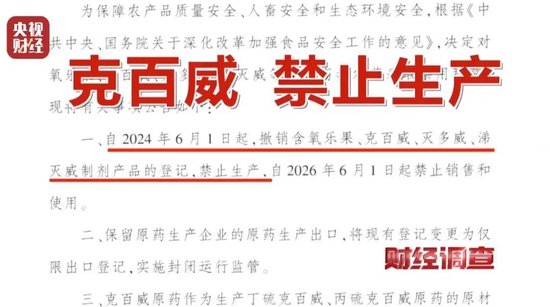
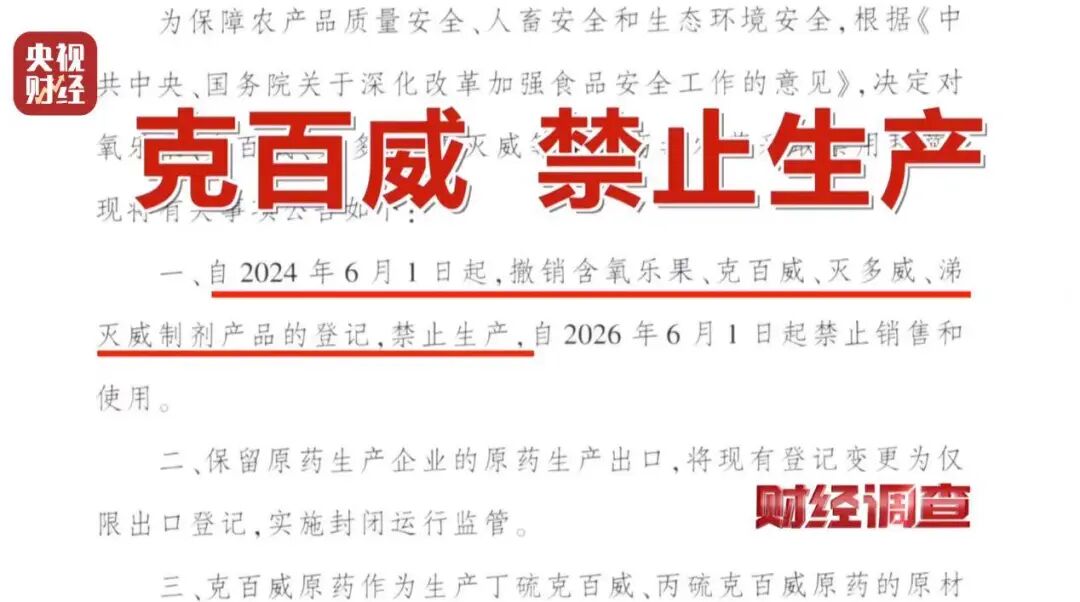
Core Viewpoint - The article highlights the ongoing illegal sale and use of toxic pesticides, specifically chlorpyrifos, in violation of national regulations aimed at ensuring food safety and environmental protection [2][3]. Group 1: Regulatory Context - Chlorpyrifos is classified as a broad-spectrum insecticide and is prohibited for use on vegetables, fruit trees, tea, and traditional Chinese medicinal herbs according to official announcements [3]. - Starting from June 1, 2024, the registration of products containing chlorpyrifos will be revoked, and production will be banned, with a complete prohibition on sales and usage by June 1, 2026 [4]. Group 2: Illegal Practices - Reports indicate that some vendors are still selling chlorpyrifos, with evidence found in Hubei Province where it was used on vegetables despite its prohibition [5][9]. - Farmers are aware of the risks associated with consuming vegetables treated with these pesticides, leading them to avoid such produce [7]. - Investigations revealed that vendors are using deceptive practices, such as falsifying production dates to evade regulatory scrutiny [16]. Group 3: Market Dynamics - The investigation uncovered that chlorpyrifos is being sold at agricultural fairs and through various channels, with vendors openly offering it to vegetable growers [11][12]. - Some vendors are aware of the toxicity of chlorpyrifos but continue to sell it to meet demand, indicating a significant market for these banned substances [21][23]. - The article also mentions the sale of other banned pesticides, such as methamidophos, with vendors employing similar tactics to avoid detection [30][32].
央视曝光“个别菜商违规使用含毒农药”,村民:味道大受不了,只有晚上打药,我们基本都不吃
Xin Lang Cai Jing· 2026-01-19 03:15
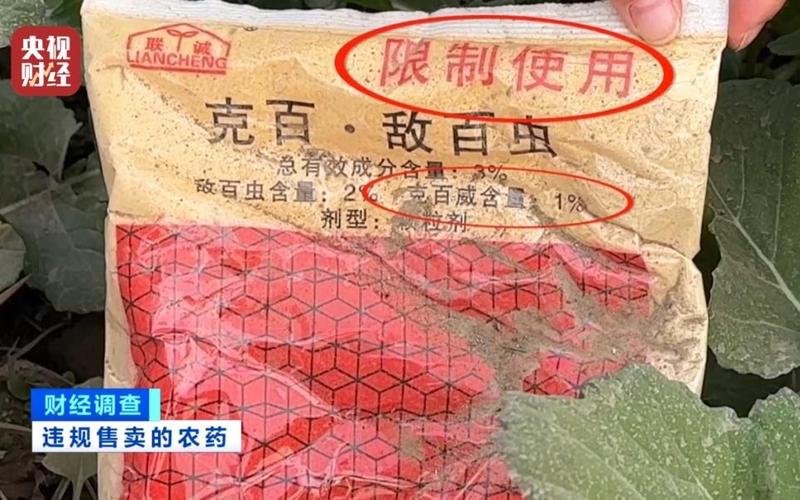
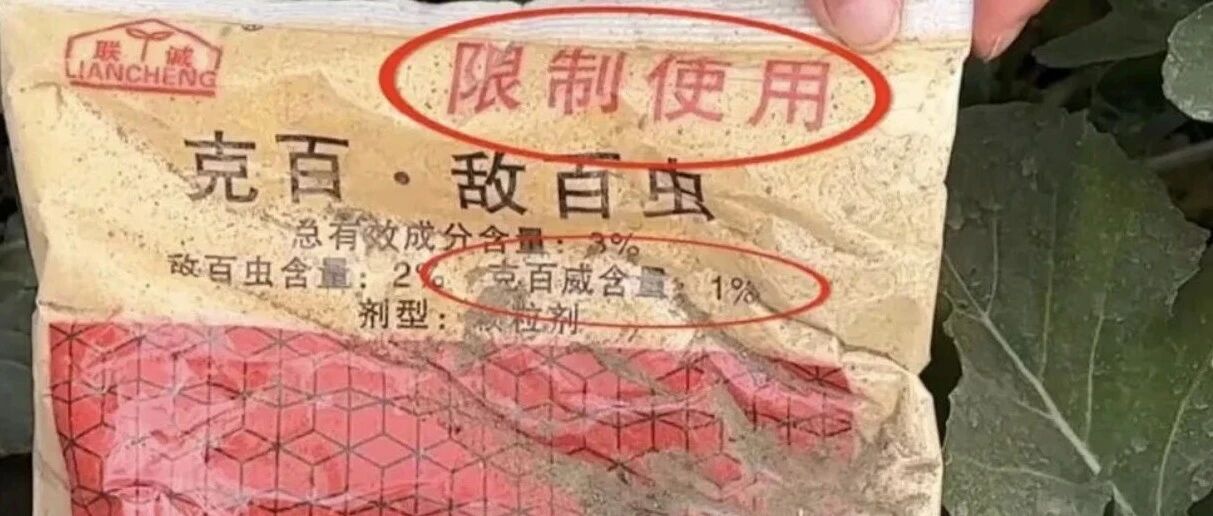
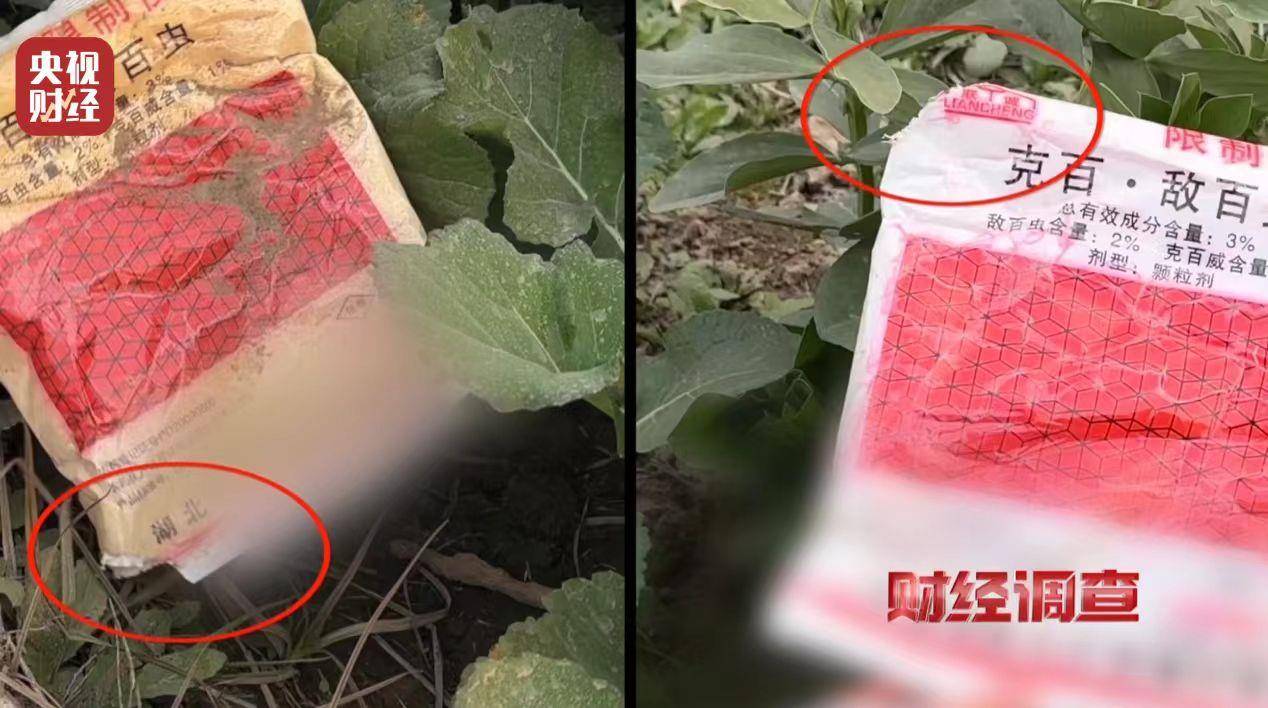
Group 1 - The article highlights the ongoing illegal sale of toxic pesticides, specifically chlorpyrifos, by certain merchants and companies despite national prohibitions [1][47][48] - Chlorpyrifos is classified as a broad-spectrum insecticide, acaricide, and nematicide, and its use is explicitly banned on vegetables, fruit trees, tea, and traditional Chinese medicinal materials [2][48] - The Ministry of Agriculture and Rural Affairs of China has announced that as of June 1, 2024, the registration of chlorpyrifos products will be revoked, and production will be prohibited [2][48] Group 2 - Reports indicate that in Hubei Province, chlorpyrifos was found being used on vegetables, with evidence of open packaging discovered in the fields [4][50] - The pesticide found in the fields was labeled with a 1% concentration of chlorpyrifos, indicating it is for restricted use, and it has a long residual effect when applied to soil [6][52] - Local villagers expressed their concerns about the pesticide odor in the air and stated they would not consume the vegetables grown in the area due to the use of toxic pesticides [8][56] Group 3 - The investigation revealed that some merchants are selling chlorpyrifos under false pretenses, including altering production dates to evade regulations [16][62] - At agricultural trade fairs, vendors were discreetly offering chlorpyrifos to potential buyers, indicating a network of illegal sales [16][62] - Despite clear regulations stating that chlorpyrifos should not be used on vegetables, some merchants are still selling it to vegetable growers [20][66] Group 4 - The investigation also uncovered the sale of other banned pesticides, such as methamidophos, with merchants knowingly violating regulations [79][81] - In Zhengzhou, a service provider offered a pesticide containing toxic substances, emphasizing the need for testing to determine its safety for use on certain crops [79][81] - Farmers in Yunnan Province admitted to using methamidophos to increase yields, highlighting the pressure to reduce production costs despite the risks involved [89][91]
央视曝光“菜商违规使用含毒农药”
Xin Lang Cai Jing· 2026-01-18 15:19
Core Viewpoint - The article highlights the ongoing illegal sale and use of toxic pesticides, specifically "Kebaiwei," which is banned for use on vegetables and other crops, despite government regulations prohibiting its sale and production starting June 2024 [1][12]. Group 1: Illegal Sales and Usage - Reports indicate that some merchants and farmers are still using "Kebaiwei," a broad-spectrum pesticide, in violation of national regulations [1][3]. - In Hubei Province, a local farmer admitted to using "Kebaiwei" and claimed to have access to banned pesticides [8][22]. - Investigations revealed that "Kebaiwei" is being sold to vegetable growers, despite clear labeling that it should not be used for such crops [13][22]. Group 2: Evasion Tactics - Some sellers are reportedly altering production dates on pesticide packaging to evade regulatory scrutiny, claiming products are from before the ban [15][31]. - Merchants are also selling "Kebaiwei" under different names or in disguised packaging to avoid detection [20][31]. - The article notes that other banned pesticides, such as "Jiabanfeng," are also being sold under the radar, with sellers aware of the risks of pesticide residue on crops [26][29]. Group 3: Consumer Awareness and Health Concerns - Local residents express concerns about the safety of vegetables grown with these toxic pesticides, indicating a lack of trust in the produce from affected areas [6][22]. - The article emphasizes the health risks associated with consuming vegetables treated with banned pesticides, as farmers continue to prioritize yield over safety [31].
厂家铤而走险 商户违规牟利!含毒农药竟如此逃避市场监管
Yang Shi Xin Wen· 2026-01-18 14:44
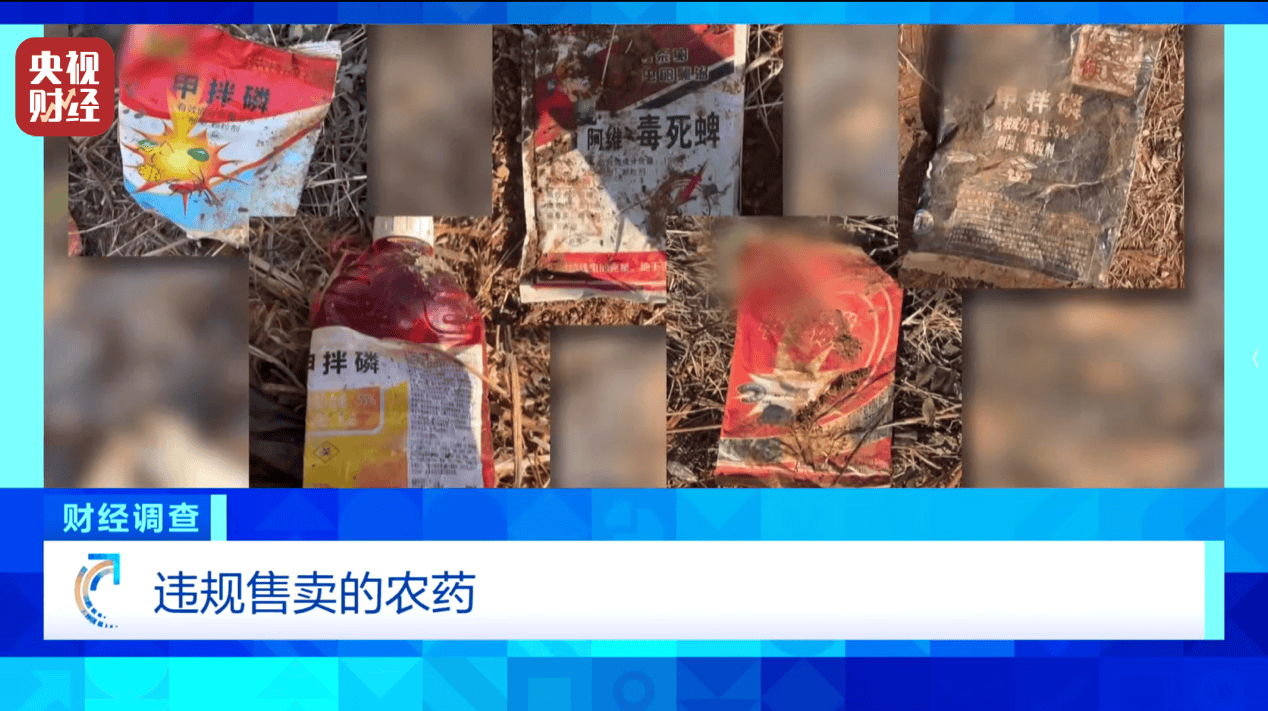
Core Viewpoint - The article highlights the ongoing illegal sale and use of toxic pesticides, specifically "Kebaiwei" and "Jiabanfeng," which are banned or restricted by the Chinese government for agricultural use, particularly in vegetable cultivation [1][2][10]. Group 1: Illegal Sales and Usage - Some vegetable vendors are violating national regulations by using toxic pesticides, including "Kebaiwei," which is prohibited for use on vegetables, fruit trees, and medicinal herbs [2][4]. - Reports indicate that in Tianmen City, Hubei Province, "Kebaiwei" was found being used on vegetables, with multiple open packages discovered in the fields [2][6]. - The pesticide "Kebaiwei" has a 1% concentration and is classified as a restricted-use pesticide, with long-lasting effects in the soil [4][10]. Group 2: Evasion of Regulations - Vendors are reportedly selling "Kebaiwei" to vegetable growers despite its prohibition, with some even falsifying production dates to evade regulatory scrutiny [10][19]. - At agricultural trade fairs, vendors discreetly offered "Kebaiwei" to potential buyers, indicating a clear awareness of its illegal status [10][19]. - Some stores are known to sell "Kebaiwei" only to familiar customers, further indicating a deliberate attempt to bypass regulations [12][19]. Group 3: Broader Issues with Pesticides - The investigation revealed that other banned pesticides, such as "Toxic Death" and "Jiabanfeng," are also being sold to farmers, often under false pretenses regarding their intended use [19][20]. - In various regions, farmers are using "Jiabanfeng" to increase crop yields, despite knowing it is banned, and they often rely on secretive channels for procurement [22][24]. - The practice of changing packaging to avoid detection by authorities is common among sellers of banned pesticides [24][26].
厂家铤而走险,商户违规牟利!含毒农药逃避市场监管?《财经调查》曝光→
Sou Hu Cai Jing· 2026-01-18 12:13
Core Viewpoint - The investigation reveals that certain vendors and enterprises are still illegally selling toxic pesticides that are banned or restricted by national regulations, posing risks to consumer safety and agricultural practices [1][3]. Group 1: Illegal Use of Pesticides - The pesticide "Kebaiwei" is a broad-spectrum insecticide that is prohibited for use on vegetables, fruit trees, tea, and traditional Chinese medicinal materials as per the Ministry of Agriculture and Rural Affairs' announcement [3]. - Reports indicate that in Hubei Province, the pesticide "Furandan," which is identified as Kebaiwei, was found being used on vegetables, with multiple open packages discovered in the fields [5][10]. - Local farmers express their unwillingness to consume vegetables grown in areas where these toxic pesticides are used, indicating awareness of the risks involved [8]. Group 2: Sales Channels and Evasion Tactics - Investigations show that Kebaiwei is being sold through discreet channels, including agricultural fairs, where vendors cautiously offer the banned pesticide to potential buyers [13]. - Some stores are found to sell Kebaiwei while mislabeling production dates to evade regulatory scrutiny, indicating a deliberate attempt to bypass the law [17]. - Vendors are aware of the health risks associated with selling Kebaiwei to vegetable growers but continue to do so due to demand [24]. Group 3: Other Banned Pesticides - The investigation also uncovers the sale of other banned pesticides, such as "Dichlorvos," with vendors providing misleading information about their safety and legality [29]. - In Zhengzhou, vendors are found selling "Jiabanfeng," another banned pesticide, under the guise of bulk sales to avoid detection, demonstrating a pattern of non-compliance with agricultural regulations [33][35]. - Farmers admit to using banned pesticides like Jiabanfeng to increase yields, highlighting the economic pressures driving illegal pesticide use [36][38].