数据中心制冷服务

Search documents
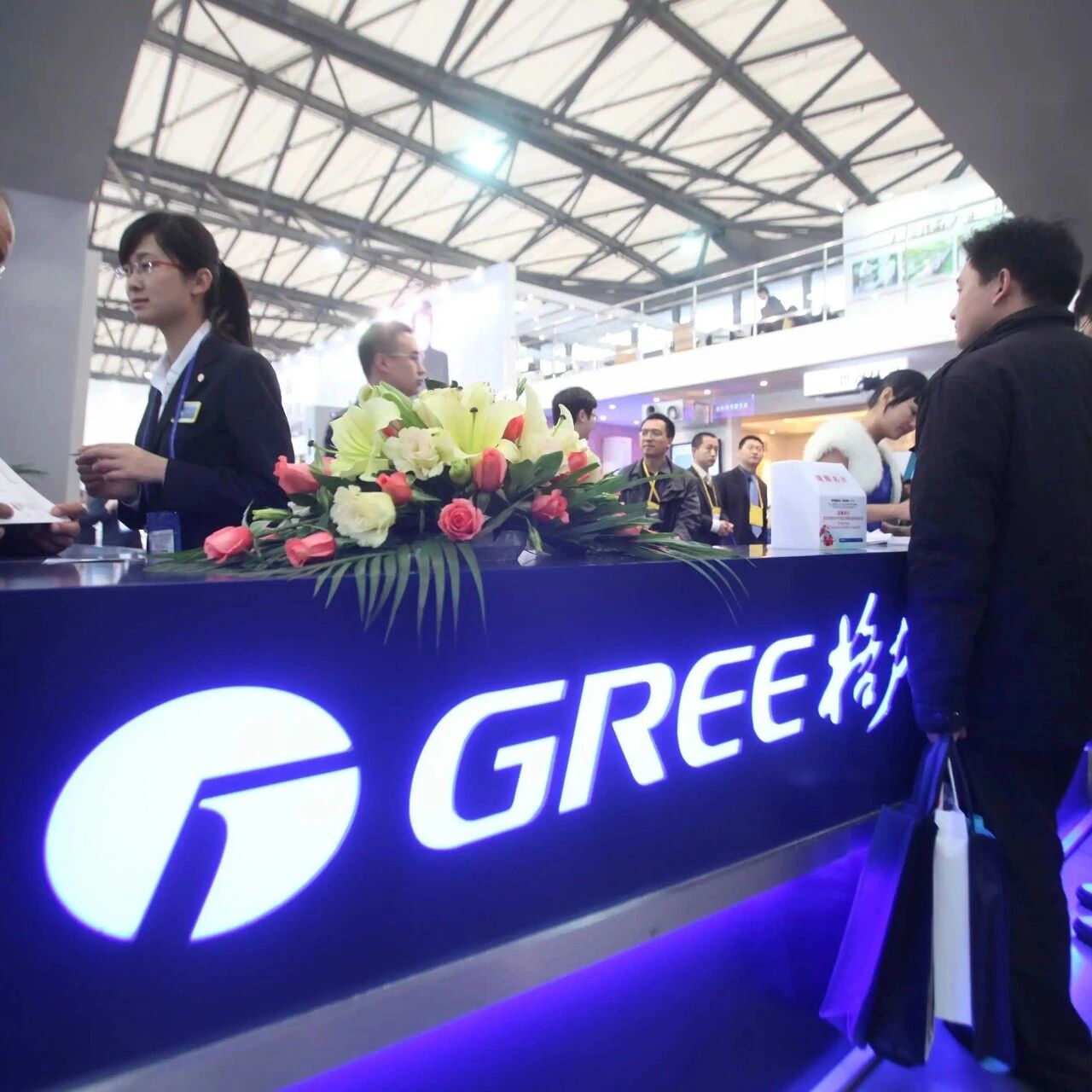
传统空调需求承压,格力、美的切入AI数据中心制冷领域
第一财经· 2026-02-04 09:46
Core Viewpoint - The central air conditioning industry is undergoing an adjustment period due to declining traditional engineering demand, prompting companies like Gree Electric and Midea Group to invest more resources in AI data center cooling and high-performance infrastructure to seek structural growth opportunities [5][6]. Group 1: Market Dynamics - Air conditioning still accounts for about 70% of Gree Electric's revenue, with central air conditioning being a core segment. However, the industry faces pressure from a downturn in real estate, weak traditional engineering demand, and intensified price competition [7]. - In 2025, the sales scale of China's central air conditioning industry is projected to be 138.68 billion yuan, with a 7.4% year-on-year decline in the domestic market, while the export market is expected to grow by 12.7%. The growth in exports is significantly driven by ongoing investments in overseas data centers and computing infrastructure [7]. Group 2: Technological Trends - As AI computing power increases, the power density of server cabinets is rising rapidly, revealing limitations in traditional air cooling solutions in terms of efficiency and heat dissipation. Liquid cooling is gradually becoming an important technology route for high-performance data centers [8]. - Liquid cooling is not merely an equipment upgrade but involves comprehensive changes in system architecture, core components, and operational modes. It is seen as a supplementary solution in high-performance scenarios, often coexisting with air cooling solutions, requiring higher system integration and project experience [8]. Group 3: Competitive Landscape - The data center cooling market is primarily dominated by two types of companies: specialized manufacturers with extensive experience in data center temperature control, such as Vertiv, Ingersoll Rand, and others, and foreign brands like Johnson Controls and Carrier, alongside domestic central air conditioning manufacturers like Gree and Midea [10]. - Domestic central air conditioning companies face significant challenges in the data center market, including the maturity of technology in high-performance scenarios, the ability to deliver complex projects, and the long verification cycles required by leading clients [10]. Group 4: Future Outlook - Overall, AI data center cooling presents a rare structural growth opportunity for the central air conditioning industry, but its scale, pace, and profit model differ significantly from traditional engineering markets. In the short term, data center business serves more as a buffer against the decline of traditional business rather than a decisive replacement [11]. - The ability of companies like Gree and Midea to establish stable engineering capabilities and long-term customer relationships in high-barrier technology paths like liquid cooling will be crucial in determining their position in the computing infrastructure cycle [11].