新春花馍

Search documents
年的声音·新的故事丨新春有新意 多彩过大年
Xin Hua Wang· 2026-02-20 12:25
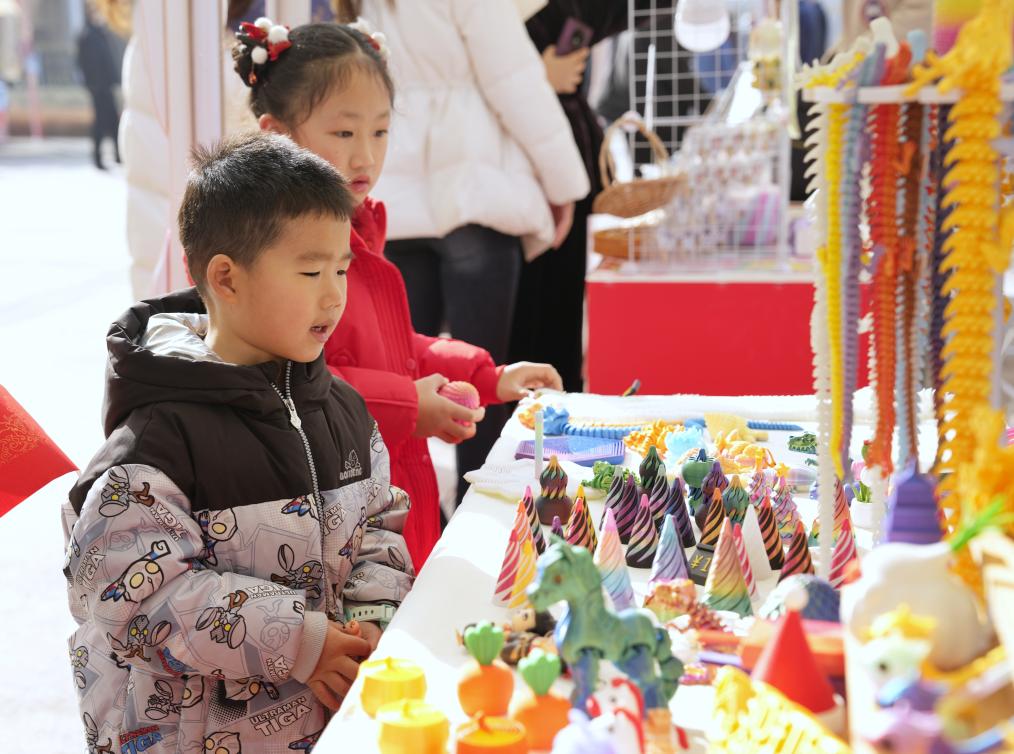
Core Insights - The traditional Chinese New Year customs are evolving, incorporating new stories and experiences while maintaining the essence of family reunion and cultural significance [1][13]. Group 1: Changes in Consumer Behavior - The concept of "nianhuo" (New Year goods) has shifted from being a necessity to a means of self-expression and emotional connection, reflecting a more affluent society [3][4]. - Over 300 million users have purchased intangible cultural heritage products on Douyin, with a 43% year-on-year increase in related merchants [3]. Group 2: New Purchasing Methods - New purchasing options for "nianhuo" include live streaming by e-commerce hosts and mobile markets, enhancing consumer engagement [4][5]. - The integration of online and offline shopping experiences allows consumers to access global products without leaving their local areas [4]. Group 3: Evolving Reunion Practices - The trend of "reverse reunion" and traveling for the New Year is becoming common, with families opting for more relaxed and quality time together [7][9]. - The China Travel Association reports that family trips, especially those involving three generations, account for 34% of travel bookings during the Spring Festival [9]. Group 4: New Experiences and Cultural Events - Various regions are offering innovative cultural experiences, such as VR experiences and live performances, to enhance the festive atmosphere [12]. - Younger generations are increasingly prioritizing experiential celebrations over traditional family gatherings, reflecting a shift in cultural values [12].