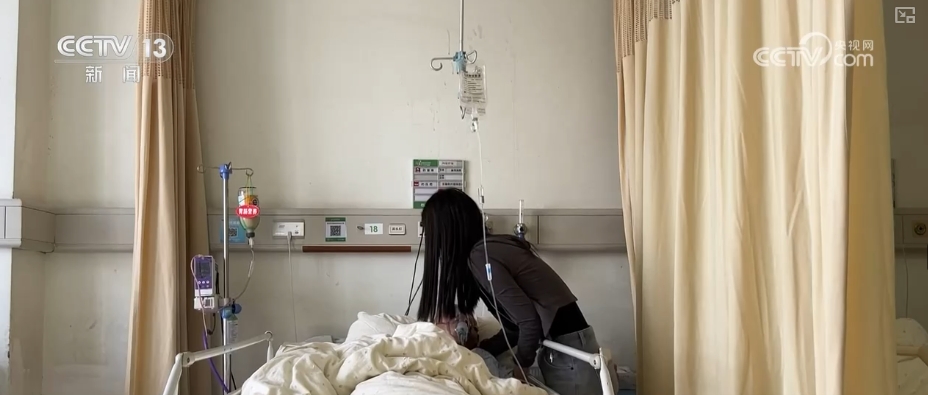
无陪护病房服务

Search documents
家门口就能“挂上专家号”
Ren Min Ri Bao Hai Wai Ban· 2025-11-21 00:32
Core Points - The article highlights the successful collaboration between local hospitals in Tongling City and renowned medical institutions from developed regions, allowing patients to receive high-quality medical care closer to home [1][2] - The establishment of various medical centers and expert workstations has significantly improved access to specialized healthcare services for the local population [2][3] Group 1 - The Tongling City People's Hospital has partnered with Zhejiang Provincial Cancer Hospital to set up an expert workstation, enabling local patients to receive treatment from top specialists without traveling far [1] - In the past year, the hospital facilitated over 400 visits from experts in the Yangtze River Delta region and conducted more than 100 complex surgeries [1][2] - The city has established around 20 expert workstations and upgraded grassroots medical facilities, ensuring that local clinics can provide better services [2] Group 2 - The local healthcare system aims to enhance patient experience by optimizing medical processes and strengthening grassroots capabilities [3] - The implementation of innovative care initiatives has led to high satisfaction rates among patients (97.47%) and nurses (96.3%) [2] - The goal is to create a tiered medical system where minor illnesses are treated locally and major illnesses are managed within the city, improving overall healthcare accessibility [3]
好钢用在刀刃上!“无陪护病房”能让人放心吗?收费贵不贵?观察梳理↓
Yang Shi Wang· 2025-06-20 08:10
Core Viewpoint - The introduction of "no companion care" services in hospitals aims to alleviate the burden on families while ensuring patients receive professional care, starting from June 2025 for a two-year pilot program [1] Group 1: Implementation and Challenges - The pilot program will prioritize departments with a high proportion of patients requiring primary nursing care, such as geriatrics, neurology, and orthopedics [1] - There are significant challenges in promoting "no companion" wards, particularly due to traditional beliefs and the potential for medical disputes arising from family members' limited involvement in the care process [2][4][6] Group 2: Acceptance and Professionalism - Acceptance of "no companion" services is increasing, with the signing rate rising from below 10% to 50% in pilot areas [18] - The quality of care is enhanced by trained caregivers, contrasting with the previous model where family members hired untrained aides, leading to inconsistent service quality [21] Group 3: Cost and Insurance - The cost of "no companion" services is generally more reasonable and transparent compared to hiring private aides, with hospitals providing clear pricing structures [19][21] - In Chengdu, the monthly care fee for a fully disabled patient is approximately 3,900 yuan, with insurance covering a significant portion of the cost [23] - Various pricing models are being implemented across regions, with daily rates for "one-on-one" services ranging from 130 to 200 yuan, significantly lower than private hiring costs [25][26]