旧家电

Search documents
东江环保(002672.SZ):子公司收到税务行政处罚决定书
Ge Long Hui A P P· 2025-11-24 10:32
Core Viewpoint - Dongjiang Environmental (002672.SZ) has received a tax administrative penalty due to tax evasion related to the purchase of used home appliances from individuals, resulting in a fine of 2,024,203.58 yuan [1] Group 1: Tax Violation Details - Dongjiang Environmental's wholly-owned subsidiary, Xiamen Oasis Environmental Industry Co., Ltd., was penalized for tax evasion involving the acquisition of 350 VAT invoices from a third party, leading to an underpayment of taxes amounting to 3,855,625.86 yuan [1] - The company reported a cost of 22,680,152.75 yuan related to these transactions, which contributed to the tax underpayment [1] Group 2: Company Response and Future Actions - The tax violation occurred prior to October 2016, after which the company underwent internal management improvements following a change in its controlling shareholder to Guangdong Guangsheng Holding Group Co., Ltd. [1] - The company plans to address historical issues legally, enhance communication with administrative bodies, and improve understanding of relevant laws and regulations to prevent future occurrences [1]

你如何处理大件旧物?
Ren Min Ri Bao Hai Wai Ban· 2025-09-07 22:16
Core Viewpoint - The article discusses the challenges and inefficiencies in the disposal and recycling of large waste items, particularly furniture and appliances, highlighting the need for a comprehensive management system for large waste disposal in urban areas [6][11][15]. Group 1: Current Challenges in Large Waste Disposal - Large waste items, such as furniture and appliances, are often difficult to dispose of due to a lack of proper recycling channels and high disposal costs, leading to a situation where residents find it easier to keep old items rather than dispose of them [6][8][11]. - Many residents face difficulties in selling or recycling large items, as second-hand markets are less favorable for larger goods, and many recycling companies refuse to accept them due to low economic value [10][12]. - The absence of a standardized management approach for large waste disposal results in confusion and mistrust among residents regarding disposal fees and processes [11][12]. Group 2: Economic and Environmental Implications - The accumulation of large waste items not only occupies public space but also poses environmental risks, as improper disposal can lead to pollution and safety hazards [12]. - The article emphasizes that large waste constitutes about 1% to 10% of urban household waste, primarily generated from consumer replacements and real estate activities, indicating a significant volume that requires effective management [10]. Group 3: Proposed Solutions and Initiatives - The article mentions initiatives by various regions to improve large waste management, such as the introduction of online appointment systems for waste collection and the establishment of recycling centers [13][16]. - Recommendations include creating a comprehensive management system that covers the entire waste disposal chain, from collection to recycling, and encouraging collaboration among different stakeholders [15][14]. - The article suggests expanding "trade-in" policies to include more categories of large items and promoting awareness among residents about waste disposal costs and responsibilities [15][16].

倒贴钱也没人愿意收,旧家具家电为何“无处可去”
Qi Lu Wan Bao Wang· 2025-07-31 07:33
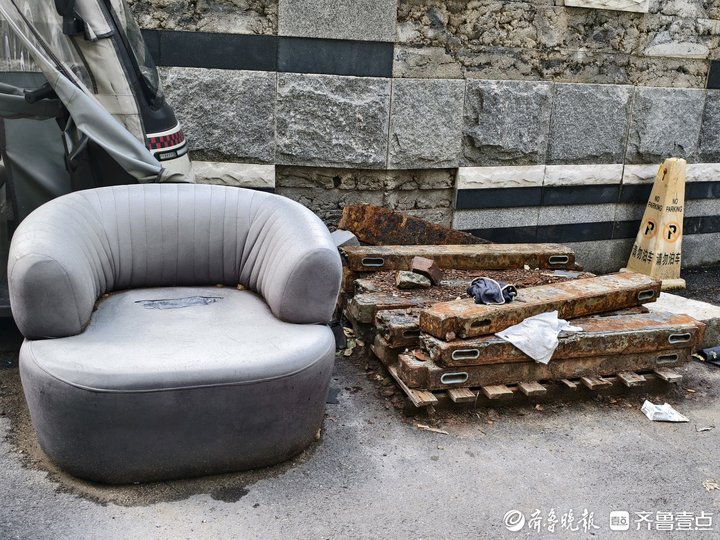
Core Insights - The article highlights the challenges faced by residents in Jinan regarding the disposal of old furniture and appliances, indicating a growing issue in urban recycling systems [1][2][6] Group 1: Challenges in Disposal - Residents often incur costs when disposing of old furniture and appliances, with some reporting having to pay for removal services without receiving any compensation for the items [2][3] - The lack of standardized pricing for the disposal of large items leads to confusion and frustration among residents, as fees vary based on weight, size, or number of items [3][10] - Many residents resort to abandoning old furniture in public spaces due to the high costs and lack of willingness from waste collectors to take away heavily worn items [5][6] Group 2: Recycling Industry Dynamics - The recycling chain for old furniture and appliances is described as "small, scattered, and chaotic," with low profit margins and unclear responsibilities among stakeholders [6][10] - Professional recycling companies primarily focus on metal recovery, with few specializing in the recycling of old appliances, leading to a lack of effective processing options [10][11] - The government has initiated efforts to improve the recycling system, including the establishment of collection points and partnerships with recycling enterprises, but coverage remains insufficient [11][13] Group 3: Potential Solutions - The article discusses the need for a more organized recycling network, suggesting that successful models from other cities, such as "Internet + appliance recycling" platforms, could be beneficial [11][14] - Experts emphasize the importance of community involvement and clearer responsibilities among various stakeholders to enhance the recycling process and facilitate easier disposal for residents [15]