
昆仑芯2

Search documents
百度集团正评估分拆昆仑芯上市 标的估值210亿将提升AI产业链话语权
Chang Jiang Shang Bao· 2025-12-08 23:29
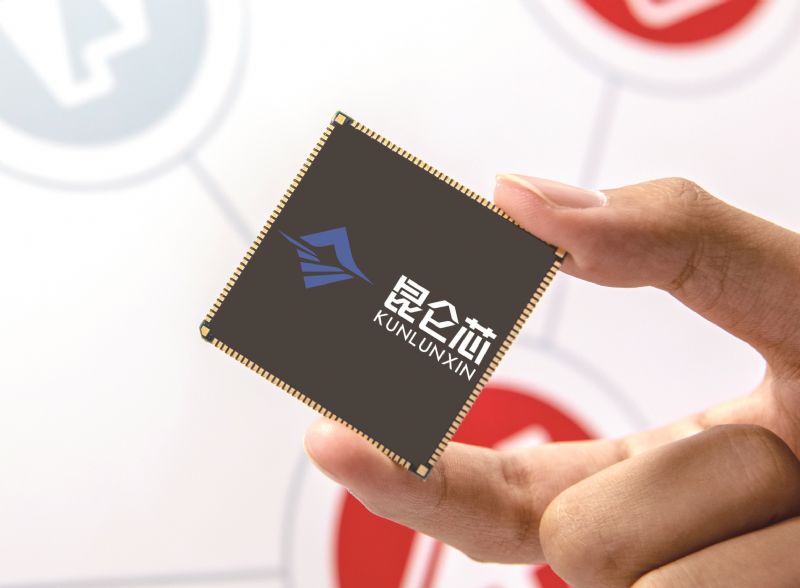
长江商报消息 ●长江商报记者 黄聪 估值已达210亿元,昆仑芯(北京)科技有限公司(以下简称"昆仑芯")被传要上市。 12月7日,百度集团(09888.HK)就昆仑芯上市传闻回应称,目前正就拟议分拆及上市进行评估。"本公司并不保 证拟议分拆及上市将会进行。" 目前,昆仑芯已获得6次融资。有报道称,公司最新一轮融资2.83亿美元(按照当前汇率计算约合人民币20亿 元),对应的估值为29.7亿美元(按照当前汇率计算约合人民币210亿元)。 值得一提的是,2025年11月13日,百度正式发布新一代昆仑芯。据了解,全新一代昆仑芯包括两款产品,其中, 昆仑芯M100针对大规模推理场景优化设计,提供极致性价比,将于2026年上市;昆仑芯M300面向超大规模多模 态模型的训练和推理需求提供极致性能,将于2027年上市。 一家芯片企业相关负责人向长江商报记者表示,随着市场份额扩大,昆仑芯可能参与或主导AI芯片相关标准的制 定,提升中国在全球AI产业链中的话语权。 最新一轮融资20亿 近日,有报道显示,百度集团旗下AI芯片公司昆仑芯已启动在中国香港上市的筹备工作,计划最早在2026年第一 季度向港交所递交上市申请,目标是在20 ...


百度回应昆仑芯分拆上市传闻:评估中 不保证最终落地
Zheng Quan Ri Bao Zhi Sheng· 2025-12-08 17:08
Group 1 - Baidu's AI chip subsidiary Kunlun Core is preparing for a Hong Kong IPO with a post-financing valuation of approximately 21 billion RMB (about 3 billion USD) [1] - Baidu has clarified that it is evaluating the proposed spin-off and listing of Kunlun Core, which requires regulatory approval, and there is no guarantee that the spin-off will proceed [1] - Kunlun Core, which was established as an independent entity in April 2021, is currently 59.45% owned by Baidu and has launched two generations of AI chips, with the second generation achieving nearly three times the computing power of the first [1] Group 2 - Successful spin-off of Kunlun Core could enhance its technological iteration and market expansion, boosting the influence of domestic AI chips [2] - Baidu's smart cloud revenue reached 6.4 billion RMB in Q3 2025, a 12% year-on-year increase, indicating the profitability of the segment supported by Kunlun Core's self-developed chips [2] - Kunlun Core has made significant commercial progress, winning a major AI computing device procurement project from China Mobile and serving over a hundred clients, including major companies like China Merchants Bank and Vivo [2] Group 3 - Morgan Stanley predicts Kunlun Core's revenue could increase from approximately 1.3 billion RMB in 2025 to 8.3 billion RMB in 2026, representing a nearly sixfold growth [3] - The potential spin-off may allow Kunlun Core to secure independent financing and accelerate expansion, but it could also weaken Baidu's control over its core computing infrastructure [3] - Future developments will depend on regulatory attitudes and strategic considerations by the company [3]