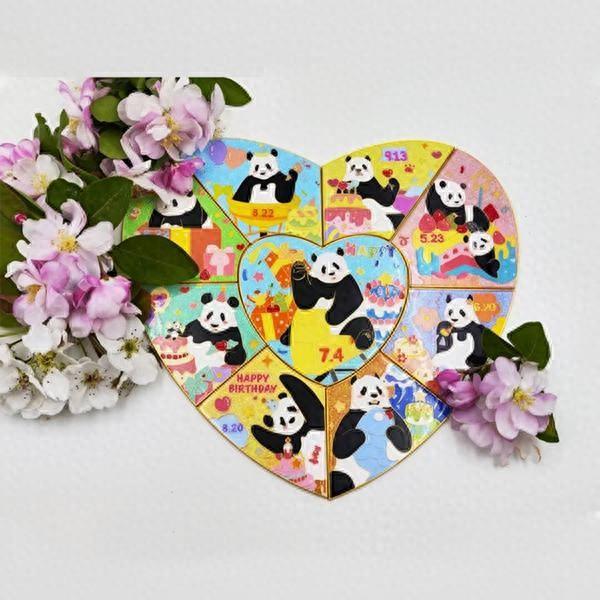
明星物种徽章

Search documents
文化中国行 | 把动物园“买”回家
Zhong Guo Qing Nian Bao· 2026-01-25 05:55
Core Insights - The transformation of zoo souvenir shops into cultural and creative stores has become a significant trend, attracting younger audiences who are willing to spend on themed merchandise [1][2] - The rise of "star animals" and their related products has been fueled by social media exposure, leading to increased engagement and sales of zoo merchandise [2][3] - The emotional connection and perceived personality of animals, showcased through live streams and videos, have enhanced the appeal of zoo-related products [3][4] Group 1: Development of Zoo Merchandise - Chongqing Zoo's cultural and creative store, "Insect Movement Market," has evolved from a small section in a café to a full-fledged store with over 200 products, reflecting a significant increase from just a dozen items [2] - The popularity of panda-themed merchandise, particularly items related to the "internet celebrity" panda, has driven sales, with some products selling thousands of units monthly [3][6] - The integration of educational content into product design is emphasized, with efforts to avoid direct "education" while still promoting awareness of animal conservation [4][6] Group 2: Changing Visitor Demographics and Expectations - The visitor demographic of zoos is shifting, with a growing proportion of visitors aged 20-30, indicating a move away from traditional family-oriented visits to more diverse cultural experiences [7][9] - Modern zoos are responding to complex public cultural needs, focusing on immersive experiences, emotional resonance, and value recognition rather than just animal observation [9] - The financial challenges faced by traditional zoos have led to innovative strategies, such as live streaming and collaborations with popular brands, to enhance their appeal and revenue streams [7][9]

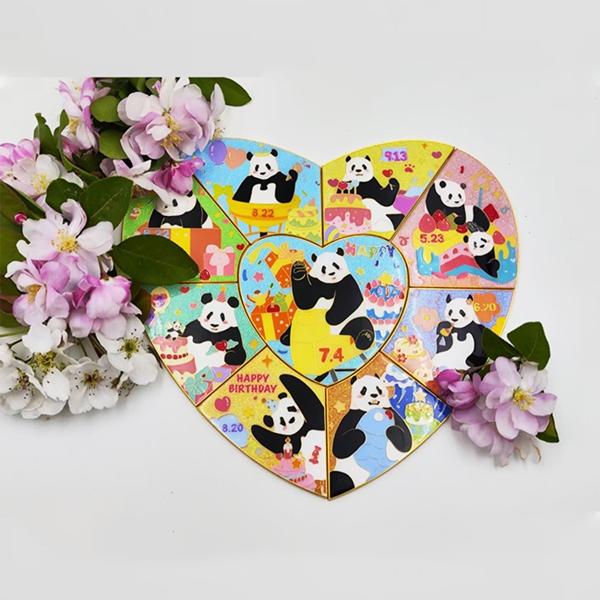
越来越多的年轻人,把动物园“买”回家
Xin Lang Cai Jing· 2026-01-25 00:45
Core Insights - The transformation of zoo souvenir shops into cultural and creative stores has become a significant trend, attracting younger audiences who are willing to spend on themed merchandise [1][3] - The rise of social media has increased the visibility of zoo animals, turning them into "star animals" and enhancing their emotional connection with the public [3][4] - The integration of emotional value into zoo merchandise reflects a shift in consumer expectations, moving beyond mere observation to a more immersive experience [9][10] Group 1: Development of Zoo Merchandise - The Chongqing Zoo's cultural and creative store, "Insect Movement Market," has expanded from a small section in a café to a full-fledged store with over 200 products, showcasing the growing popularity of zoo-themed merchandise [3][4] - The success of specific products, such as the panda-themed merchandise, highlights the importance of popular animals in driving sales, with some items selling thousands of units [4][6] - The emotional connection fostered through social media has led to a demand for tangible products that reflect the personalities of the animals, enhancing their appeal [4][7] Group 2: Educational and Scientific Considerations - Zoo merchandise must balance creativity with scientific accuracy, avoiding anthropomorphism while still engaging consumers [6][7] - Educational content is being subtly integrated into product designs to inform consumers without overtly "educating" them, making the learning process more organic [6][9] - Understanding animal behavior and characteristics is crucial for creating meaningful and appealing merchandise that resonates with consumers [7][9] Group 3: Changing Visitor Demographics and Expectations - The demographic of zoo visitors is shifting, with a growing proportion of young adults (ages 20-30) becoming the primary audience, indicating a need for zoos to adapt their offerings [9][10] - Modern visitors expect more than just animal observation; they seek immersive experiences that resonate emotionally and provide value recognition [10] - The evolution of zoo merchandise is part of a broader strategy for public cultural institutions to redefine their roles and enhance their appeal in contemporary society [10]