
熊猫玩偶

Search documents
重庆“电影+”添把火
Xin Lang Cai Jing· 2026-02-23 16:32
Core Insights - The national box office revenue surpassed 8 billion yuan by February 23, with the Spring Festival box office exceeding 5.5 billion yuan, indicating a strong performance in the film industry during the holiday season [2] - Chongqing Liangjiang New Area, as a key pilot area for the "Film+" consumption model, has implemented a prize invoice activity to stimulate consumer spending, contributing to the overall box office success [2][4] Group 1: Box Office Performance - As of February 23, the total box office revenue for the year reached 8 billion yuan, with the Spring Festival box office accounting for 5.5 billion yuan [2] - The film "Flying Life 3" is a significant contributor to the high attendance rates, with over 80% occupancy in theaters [3] Group 2: Consumer Engagement Initiatives - Chongqing launched a prize invoice activity from February 12 to July 31, encouraging citizens to spend on movie tickets and participate in a lottery with a total prize pool of 300 million yuan [2] - The integration of various consumer experiences, such as purchasing blind boxes and receiving discounts at restaurants with ticket stubs, enhances the value of a movie ticket beyond just entry [4]


把动物园“买”回家
Zhong Guo Qing Nian Bao· 2026-01-26 01:05
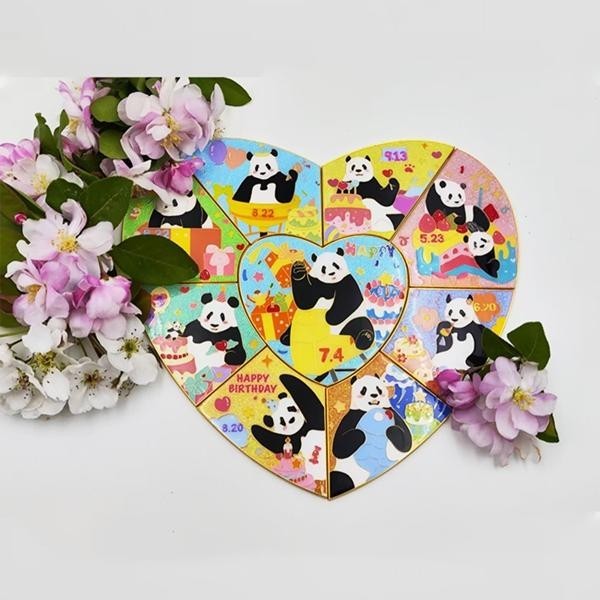
Core Insights - The transformation of zoo souvenir shops into cultural and creative stores has become a significant trend, attracting many visitors and blending cultural, emotional, and commercial values [1][3] - The rise of social media has increased the visibility of zoo animals, leading to a surge in demand for related merchandise, particularly among younger audiences [3][4] Group 1: Development of Zoo Merchandise - The Chongqing Zoo's cultural and creative store, "Insect Movement Market," has expanded from a small section in a café to a full-fledged store with over 200 products, reflecting a significant growth from just a dozen items [3][4] - The popularity of "star animals," such as pandas, has driven merchandise sales, with products inspired by these animals becoming bestsellers [4][6] - The emotional connection formed through online content, such as live streams of animals, has translated into tangible products that resonate with consumers [4][9] Group 2: Consumer Engagement and Trends - Younger consumers, particularly those aged 20-30, are increasingly becoming the primary visitors to zoos, shifting the focus from family-oriented experiences to immersive and emotionally resonant engagements [9][10] - The demand for zoo experiences has evolved beyond merely observing animals to include a desire for emotional connection and shared values, which cultural products can fulfill [10] Group 3: Scientific Integrity in Merchandise - Zoo merchandise must maintain scientific accuracy and avoid anthropomorphism to prevent misleading consumers about animal behavior and characteristics [6][7] - The design process for merchandise incorporates educational elements subtly, ensuring that consumers engage with the content without feeling directly "educated" [6][7] Group 4: Economic Impact and Brand Development - Traditional zoos have faced financial challenges, with significant revenue previously reliant on ticket sales; innovative merchandise strategies are now essential for sustainability [9][10] - Collaborations with popular brands and the introduction of creative products have helped zoos enhance their brand image and attract a broader audience [9][10]
越来越多的年轻人,把动物园“买”回家
Xin Lang Cai Jing· 2026-01-25 00:45
Core Insights - The transformation of zoo souvenir shops into cultural and creative stores has become a significant trend, attracting younger audiences who are willing to spend on themed merchandise [1][3] - The rise of social media has increased the visibility of zoo animals, turning them into "star animals" and enhancing their emotional connection with the public [3][4] - The integration of emotional value into zoo merchandise reflects a shift in consumer expectations, moving beyond mere observation to a more immersive experience [9][10] Group 1: Development of Zoo Merchandise - The Chongqing Zoo's cultural and creative store, "Insect Movement Market," has expanded from a small section in a café to a full-fledged store with over 200 products, showcasing the growing popularity of zoo-themed merchandise [3][4] - The success of specific products, such as the panda-themed merchandise, highlights the importance of popular animals in driving sales, with some items selling thousands of units [4][6] - The emotional connection fostered through social media has led to a demand for tangible products that reflect the personalities of the animals, enhancing their appeal [4][7] Group 2: Educational and Scientific Considerations - Zoo merchandise must balance creativity with scientific accuracy, avoiding anthropomorphism while still engaging consumers [6][7] - Educational content is being subtly integrated into product designs to inform consumers without overtly "educating" them, making the learning process more organic [6][9] - Understanding animal behavior and characteristics is crucial for creating meaningful and appealing merchandise that resonates with consumers [7][9] Group 3: Changing Visitor Demographics and Expectations - The demographic of zoo visitors is shifting, with a growing proportion of young adults (ages 20-30) becoming the primary audience, indicating a need for zoos to adapt their offerings [9][10] - Modern visitors expect more than just animal observation; they seek immersive experiences that resonate emotionally and provide value recognition [10] - The evolution of zoo merchandise is part of a broader strategy for public cultural institutions to redefine their roles and enhance their appeal in contemporary society [10]
排队5小时只为相见1分钟,当最后两只大熊猫离开日本
Xin Jing Bao· 2026-01-19 00:17
Core Viewpoint - The impending return of giant pandas "Xiaoxiao" and "Leilei" to China in January 2026 marks a significant emotional moment for Japanese panda enthusiasts, as it will leave Japan without any giant pandas for the first time since 1972, impacting both cultural and economic aspects of society [13][14]. Group 1: Panda Enthusiasts and Cultural Impact - The emotional connection between Japanese citizens and giant pandas has been cultivated over decades, with many families sharing experiences of visiting pandas across generations [14]. - High-quality photography and documentation of pandas by enthusiasts like Takashi Takahashi reflect the deep affection and familial bond felt towards these animals [1][4]. - The departure of "Xiaoxiao" and "Leilei" is seen as a collective loss for the Japanese public, highlighting the cultural significance of pandas as symbols of friendship between China and Japan [10][14]. Group 2: Economic Implications - The presence of giant pandas has generated substantial economic benefits, with estimates suggesting that "Xiaoxiao" and "Leilei" contribute over 30 billion yen (approximately 1.5 billion RMB) annually to the local economy through tourism and related merchandise [14]. - The anticipated absence of pandas is expected to lead to a decline in visitor numbers and economic activity in areas surrounding Ueno Zoo, which has relied on "panda economy" for revenue [14]. Group 3: Panda Diplomacy and Future Prospects - The history of panda diplomacy between China and Japan dates back to 1972, establishing pandas as enduring symbols of bilateral relations [8][10]. - Current political tensions may hinder the possibility of renewing panda rental agreements, as mutual trust and cooperation are essential for future exchanges [15]. - Experts suggest that Japan must address political issues to restore the potential for panda exchanges, emphasizing the importance of pandas in fostering goodwill between the two nations [15].
七年关十店!宜家中国“断臂求生”
Sou Hu Cai Jing· 2026-01-16 07:06
Core Viewpoint - IKEA China is set to close seven stores, marking its largest closure in nearly 30 years, indicating a significant shift in its operational strategy in the Chinese market [1][4]. Group 1: Store Closures - IKEA China will cease operations at seven stores, including locations in Shanghai and Guangzhou, effective February 2, 2026, which is its largest batch closure to date [1][4]. - The closure is part of a broader trend where IKEA's store closure strategy has evolved from single-store adjustments to batch optimizations, with a total of 10 stores closed over the past seven years [3][6]. - The closures are attributed to market saturation in certain regions and are aimed at optimizing costs and improving operational efficiency, rather than indicating an inability to operate [6]. Group 2: Financial Performance - IKEA China's sales for the fiscal year 2024 are projected to decline by 7.6% to 11.15 billion yuan, a nearly 30% decrease from its peak sales of 15.77 billion yuan in 2019 [6]. - The global operating profit for IKEA has dropped by over 25%, with the revenue share from the Chinese market slightly decreasing from 3.6% to 3.5% [6]. Group 3: Market Competition - The Chinese market is experiencing slower growth compared to India (31%) and Southeast Asia (22%), with local brands gaining popularity due to their customization options and competitive pricing [7][11]. - Consumers are increasingly favoring local brands that offer integrated services, such as design, production, and installation, which contrasts with IKEA's traditional self-service model [11][13]. Group 4: Strategic Shifts - IKEA plans to open over 10 smaller stores in cities like Beijing and Shenzhen over the next two years, focusing on high-frequency, essential home products [8]. - The company is enhancing its digital capabilities, including partnerships with platforms like JD.com for instant retail trials and improving its app for better customer experience [8][9]. - A new pricing strategy involves a 160 million yuan investment to introduce over 150 lower-priced products, with 70% of this investment focused on bestsellers [9][10]. Group 5: Challenges and Future Outlook - Despite efforts to adapt, IKEA faces challenges such as execution issues with its pricing strategy and competition from local brands that are quicker to adopt digital innovations [10][13]. - The company aims to localize its supply chain, with 80% of its value chain sourced from China, to mitigate cost fluctuations [13]. - The success of IKEA's transformation will depend on its ability to integrate into the local market and meet evolving consumer preferences [13].

特写:在跨越太平洋的友谊传承中迎新年
Xin Lang Cai Jing· 2026-01-01 17:42
Core Points - The article highlights a cultural exchange program between American youth from Iowa and Chinese students, emphasizing the joy of learning and sharing traditions such as making dumplings [1][2] - The program aims to strengthen friendships and cultural understanding between the two countries, showcasing various Chinese cultural experiences [2] Group 1: Cultural Exchange - American youth, including Finian Harkins, participated in a cultural exchange program in Shijiazhuang, China, where they learned to make dumplings and shared common interests with their Chinese peers [1] - The exchange program has historical roots, with Iowa and Hebei Province establishing a friendship in 1983, and Shijiazhuang Foreign Language School forming partnerships with multiple Iowa schools since 1997 [2] Group 2: Cultural Activities - Participants engaged in various cultural activities, including paper cutting, weaving, calligraphy, and traditional Chinese painting, which provided them with a deeper understanding of Chinese culture [2] - A New Year celebration event featured performances and interactive games, fostering a joyful atmosphere and enhancing cross-cultural connections among the youth [2]


国庆中秋假期市场观察丨尽享“中国游” 爱上“中国购”
Ren Min Ri Bao· 2025-10-09 02:36
Core Insights - China is committed to expanding high-level opening-up, aiming to leverage its vast market potential to create new opportunities for global economic growth [1] Group 1: Tax Refund Policy and Impact - The implementation of the departure tax refund policy has significantly enhanced the shopping and travel experience for international tourists, with over 10,000 tax refund stores established by the end of August [2][8] - The "immediate refund" feature allows tourists to receive tax refunds at the point of purchase, promoting further consumption and improving the overall shopping experience [5][6] - The tax refund service has been optimized, with processes streamlined to reduce customs verification time to approximately 3 minutes, enhancing the experience for international travelers [5] Group 2: Regional Highlights and Consumer Behavior - In cities like Shenzhen and Qingdao, international tourists are drawn to local specialties and high-tech products, with significant sales reported during the holiday periods [4][2] - The collaboration between tax authorities across provinces allows tourists to enjoy tax refunds and choose their departure points freely, enhancing travel flexibility and encouraging cross-province tourism [7] - Notable increases in sales have been reported, with a 707% year-on-year growth in transactions and a 435% increase in spending by international tourists at specific shopping centers [8]
尽享“中国游” 爱上“中国购” 离境退税持续激发入境旅客消费潜力
Ren Min Ri Bao· 2025-10-09 01:04
Core Insights - China is committed to expanding high-level opening-up, aiming to leverage its vast market to create new opportunities for other countries and inject more certainty into global economic growth [1] Group 1: Tax Refund Policy - The implementation of the departure tax refund policy has been expanded nationwide, enhancing the shopping and travel experience for foreign tourists [2][3] - As of the end of August this year, the number of departure tax refund stores in China has exceeded 10,000 [2] Group 2: Consumer Experience - Various cities like Shenzhen and Shanghai have become popular destinations for foreign tourists, offering a wide range of products eligible for tax refunds, including high-tech items and traditional crafts [4][5] - The "immediate refund" service allows tourists to receive tax refunds on-site, significantly improving the shopping experience and encouraging further consumption [5][6] Group 3: Cross-Province Recognition - New measures have been introduced for cross-province recognition of the "immediate refund" service, allowing tourists to choose from multiple departure airports after shopping in designated stores [7] - The implementation of these policies has led to a significant increase in sales, with some stores reporting a 707% increase in transaction numbers and a 435% increase in consumption amounts from foreign tourists [7]
离境退税持续激发入境旅客消费潜力 尽享“中国游” 爱上“中国购”(国庆中秋假期市场观察)
Ren Min Ri Bao· 2025-10-08 22:28
Core Insights - China is committed to expanding high-level opening-up, aiming to leverage its vast market to create new opportunities for other countries and inject more certainty into global economic growth [1] Group 1: Tax Refund Policy Impact - The implementation of the departure tax refund policy has significantly enhanced the shopping and travel experience for international tourists, with the number of tax refund stores exceeding 10,000 by the end of August this year [2][3] - The "immediate refund" feature allows tourists to receive tax refunds at the point of purchase, promoting further consumption and improving the overall shopping experience [5][7] Group 2: Regional Highlights - In cities like Qingdao, Chengdu, and Shenzhen, various local products and high-tech items are popular among international tourists, with specific stores offering a wide range of goods eligible for tax refunds [2][4] - The cross-province recognition of the departure tax refund service allows tourists to shop in one province and depart from another, enhancing travel flexibility and encouraging more cross-province tourism [6][7] Group 3: Consumer Behavior and Growth - The tax refund policy has led to a significant increase in consumer spending, with some stores reporting a 707% year-on-year increase in transactions and a 435% increase in the amount spent by international tourists [7]
尽享“中国游” 爱上“中国购”(国庆中秋假期市场观察)
Ren Min Ri Bao· 2025-10-08 22:11
Core Insights - China is committed to expanding high-level opening-up, aiming to leverage its vast market to create new opportunities for other countries and inject more certainty into global economic growth [1] Group 1: Tax Refund Policy Impact - The implementation of the departure tax refund policy has significantly enhanced the shopping and travel experience for international tourists, with the number of tax refund stores exceeding 10,000 by the end of August this year [2][3] - The "immediate refund" feature allows tourists to receive tax refunds at the point of purchase, promoting further consumption and improving the overall shopping experience [5][7] Group 2: Regional Highlights - In cities like Qingdao, Chengdu, and Shenzhen, various local products and high-tech items are popular among international tourists, with specific stores offering a wide range of goods eligible for tax refunds [2][4] - The collaboration between tax authorities across provinces facilitates a seamless shopping experience, allowing tourists to choose from multiple departure points for tax refund processing [6][7] Group 3: Consumer Behavior and Trends - The convenience of the tax refund process has led to a significant increase in sales, with some stores reporting a 707% year-on-year increase in transactions and a 435% increase in consumption amounts from international tourists [7]