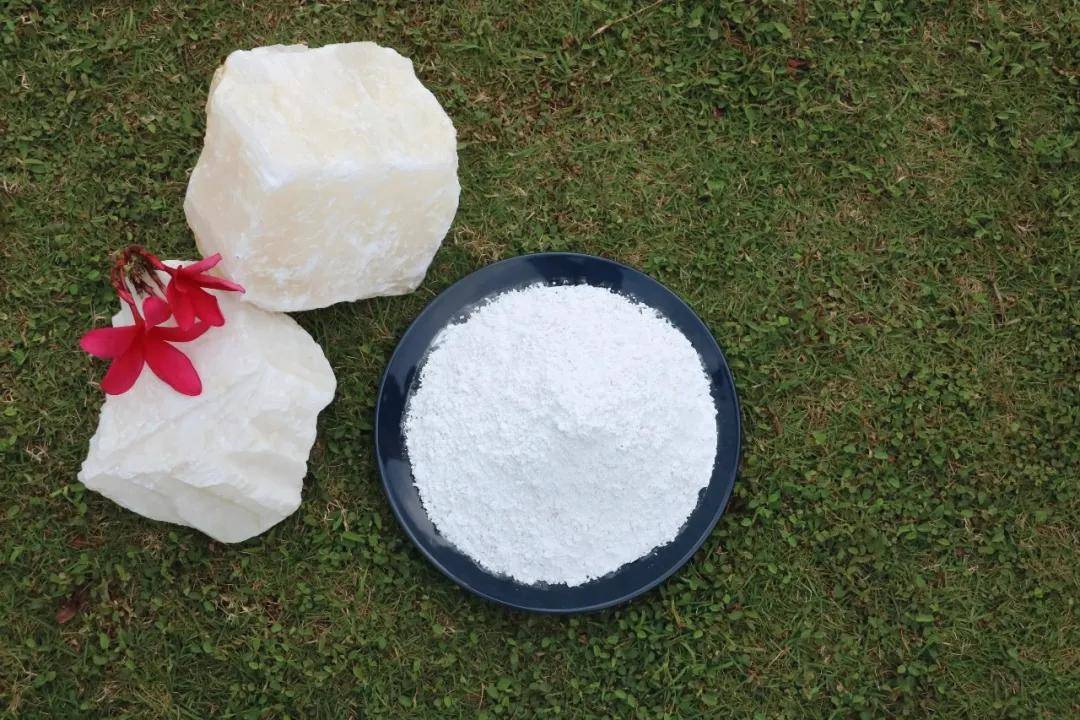
普通工业级碳酸钙

Search documents
国内外碳酸钙行业市场竞争格局分析
Sou Hu Cai Jing· 2025-11-21 06:20
Group 1 - The global calcium carbonate market is characterized by a diversified competitive landscape, with a few large companies holding significant market shares, primarily concentrated in the US, Europe, Japan, and China [1] - In 2023, the top three companies in the lightweight calcium carbonate market are Minerals Technologies, Omya, and Imerys, collectively accounting for 32.08% of the revenue share [3] - High-end products, such as pharmaceutical-grade precipitated calcium carbonate and high-performance calcium carbonate for premium plastics and rubber, are dominated by companies from developed countries like the US, Europe, and Japan, which have superior technology and product quality [3] Group 2 - China has around 1,000 calcium carbonate companies, with over 500 producing heavy calcium; however, most are small-scale and lack competitiveness, primarily located in provinces like Zhejiang, Jiangxi, Guangxi, Anhui, Guangdong, and Hebei [5] - The production focus is gradually shifting to central and western regions of China due to increasing environmental pressures, with Guangxi and Anhui becoming key areas for industrial transfer [5] - In the low-end and mid-low-end product markets, Chinese companies have gained a dominant position due to cost advantages and improving product quality, but they still lag behind foreign firms in high-end markets such as electronic, pharmaceutical, and high-end coatings [5][6] Group 3 - China has over 40 manufacturers of nano calcium carbonate, producing more than 1 million tons annually, while the actual demand for nano calcium carbonate in China is over 2 million tons, indicating a significant import gap [6] - Advanced manufacturing techniques in developed regions, such as large-scale automation and energy-saving production methods, surpass those of Chinese calcium carbonate manufacturers [6] - Despite improvements in competitive strength, Chinese companies still rely heavily on external technological assistance and face challenges in independent innovation and product development, leading to a weakened core competitive advantage [5][6]