晶体谱仪

Search documents
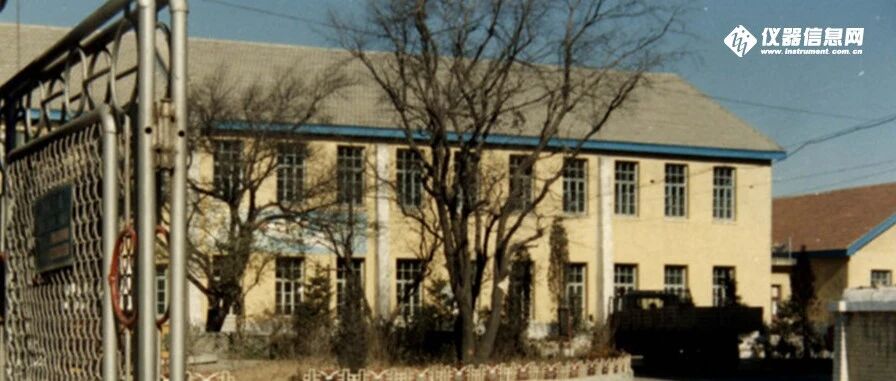
仪器历史上的今天:中国科学院仪器馆成立
仪器信息网· 2026-01-23 09:02
Core Viewpoint - The article highlights the historical significance and contributions of the Chinese Academy of Sciences Instrumentation Museum, which evolved into the Changchun Institute of Optics, Fine Mechanics and Physics, in the development of optical technology and national defense in China. Group 1: Historical Development - The Instrumentation Museum was established in 1953, marking the beginning of optical research in New China, with Wang Daheng as a key figure in its founding [2][3]. - The first furnace of optical glass was produced by the end of 1953, laying the foundation for the optical instrument manufacturing industry [4]. - In 1957, the museum was renamed the Institute of Optics and Fine Mechanics, and by 1958, it successfully developed a series of significant optical instruments known as the "Eight Major Items" [5]. Group 2: Contributions to National Defense - The institute played a crucial role in supporting the development of medium-range missiles in the early 1960s by undertaking the task of developing large optical measurement equipment [11]. - In 1964, the institute was responsible for the development of high-speed cameras used during China's first atomic bomb test, successfully obtaining critical optical measurement data [13]. - The institute has participated in several major national projects, including "Two Bombs, One Satellite" and manned spaceflight, contributing significantly to national defense and economic development [14]. Group 3: Current Status and Impact - As of the end of 2023, the Changchun Institute of Optics is one of the largest research institutes under the Chinese Academy of Sciences, employing over 2,500 staff and housing 21 research departments and multiple national key laboratories [19]. - The institute has incubated several high-tech enterprises, forming a distinctive optoelectronic industry cluster [19]. - It has been a cradle for many top scientists, including Wang Daheng and Jiang Zhuying, contributing to the advancement of optical science in China [16].